India's southwest monsoon has entered a prolonged break, pushing the seasonal rainfall deficit to 24% below normal and threatening crops and water reserves. A potential revival in the next ten days offers limited hope amid rising flood risks.
Key Takeaways
- Rainfall deficit stands at 24% below normal as of July 16
- Forecasts suggest a modest recovery, but a 30% shortfall remains possible
- Implications for kharif sowing, reservoir inflows, and flood‑landslide risk
India’s southwest monsoon has slipped into an extended “break” phase, leaving cumulative seasonal rainfall 24% lower than the long‑term average between June 4 and July 16, according to the latest India Meteorological Department (IMD) data. The gap has widened steadily over the past week as monsoon vigor weakened across large swathes of northern, central and peninsular India.
Regional Distribution
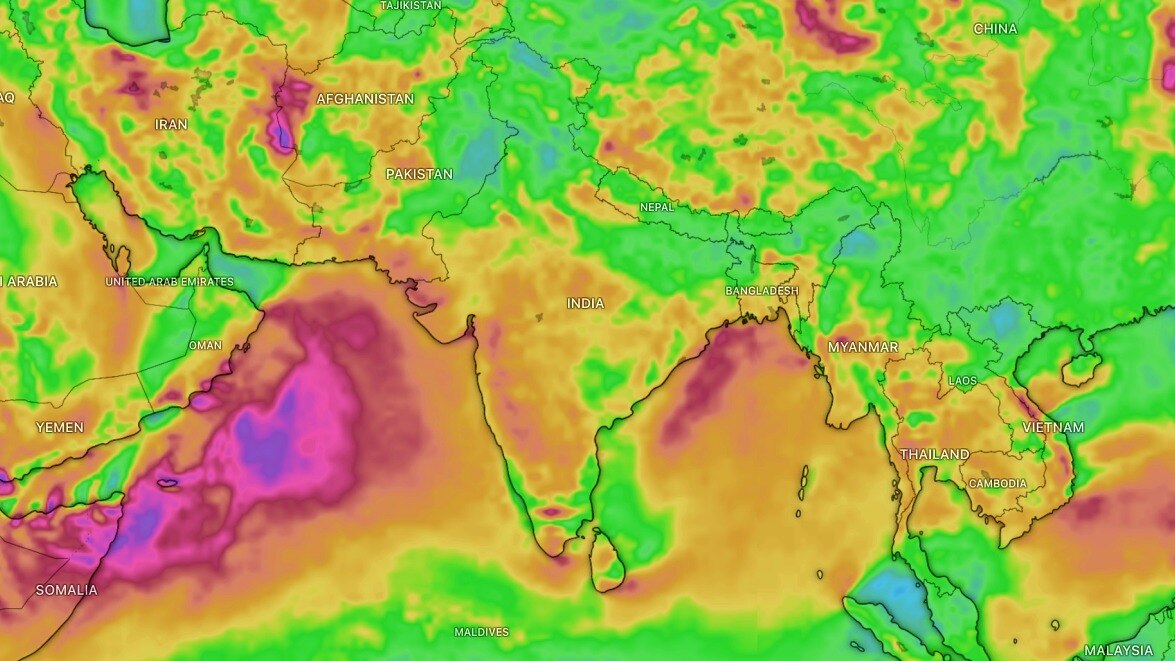
Maps released by the IMD show that Rajasthan, Gujarat, Uttar Pradesh, Bihar, Jharkhand, Telangana, Andhra Pradesh, Karnataka and Assam are all reporting significant deficits. In contrast, parts of central India – notably Maharashtra, Odisha, West Bengal and several northeastern states – remain near‑normal or above‑normal in rainfall.
Atmospheric Drivers
Meteorologists attribute the lull to the monsoon trough shifting close to the Himalayan foothills, curtailing moisture influx over much of the north and centre. The lack of a strong low‑pressure system over the Bay of Bengal further weakened the transport of humid air, leaving many regions under hot, humid conditions rather than widespread rain.
Prospects of Revival
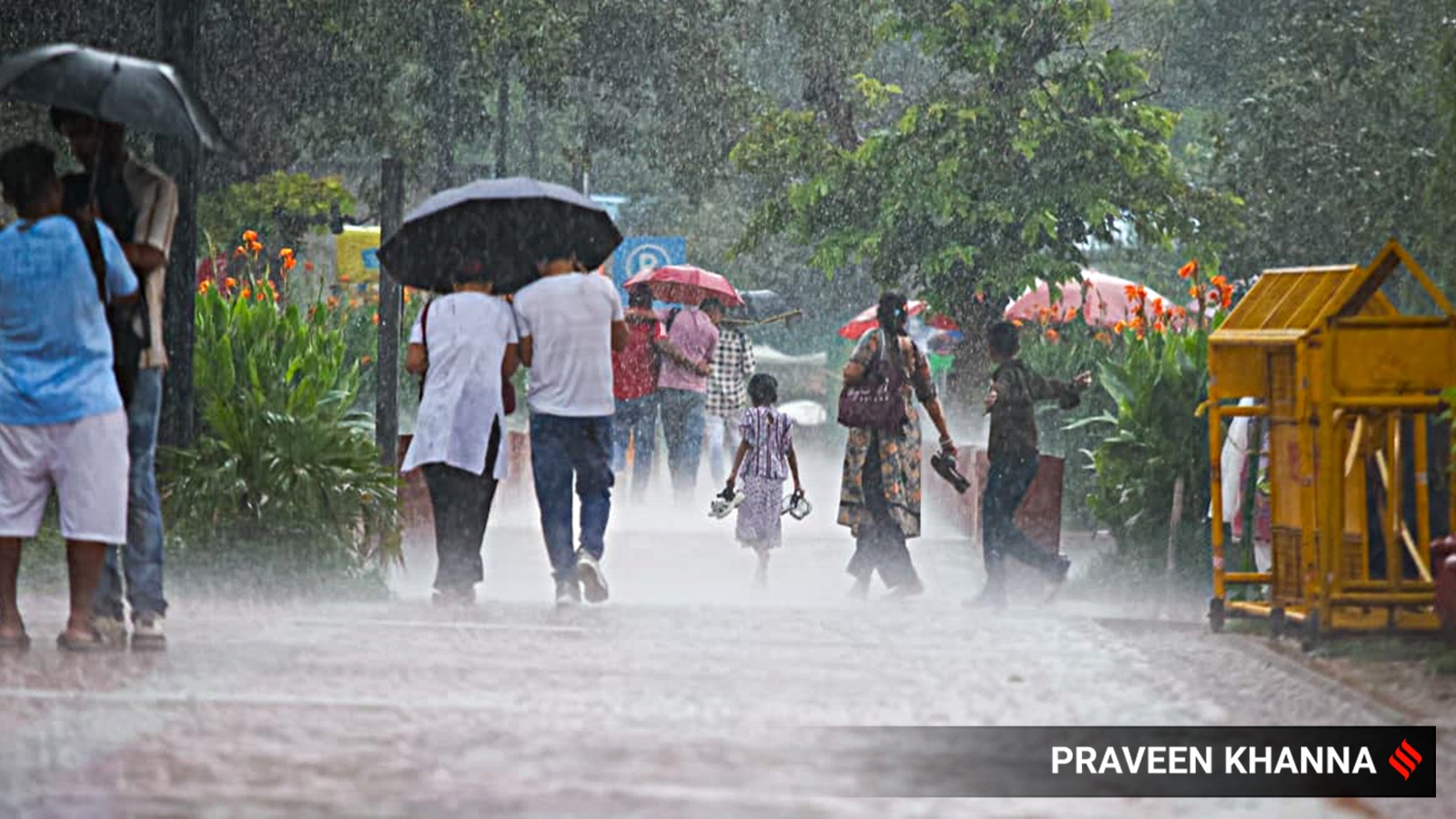
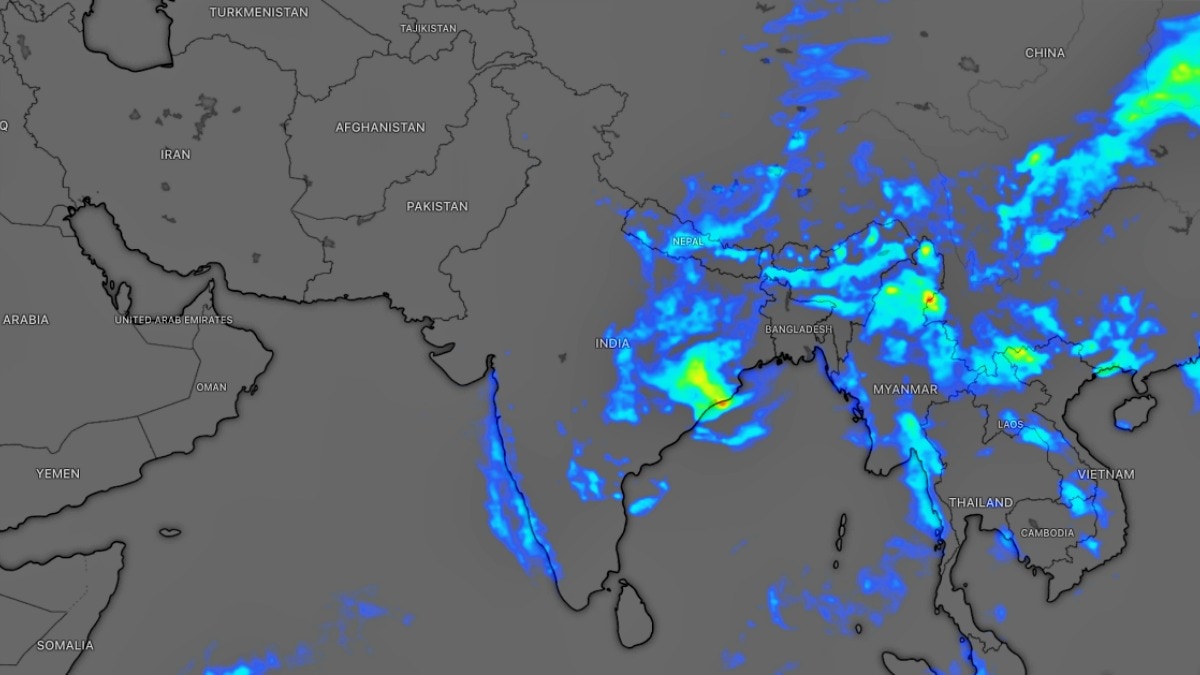
Weather models suggest the dry spell is nearing its end. A low‑pressure area forming over the Bay of Bengal, combined with a southward shift of the monsoon axis, could spark a broad revival beginning this weekend. The first wave is expected to affect Uttar Pradesh and Uttarakhand on Saturday, bringing moderate to heavy rain, followed by a westward expansion into Punjab, Chandigarh, Haryana, Delhi‑NCR and eastern Rajasthan by Sunday‑Monday.
Impacts on Agriculture and Water Security
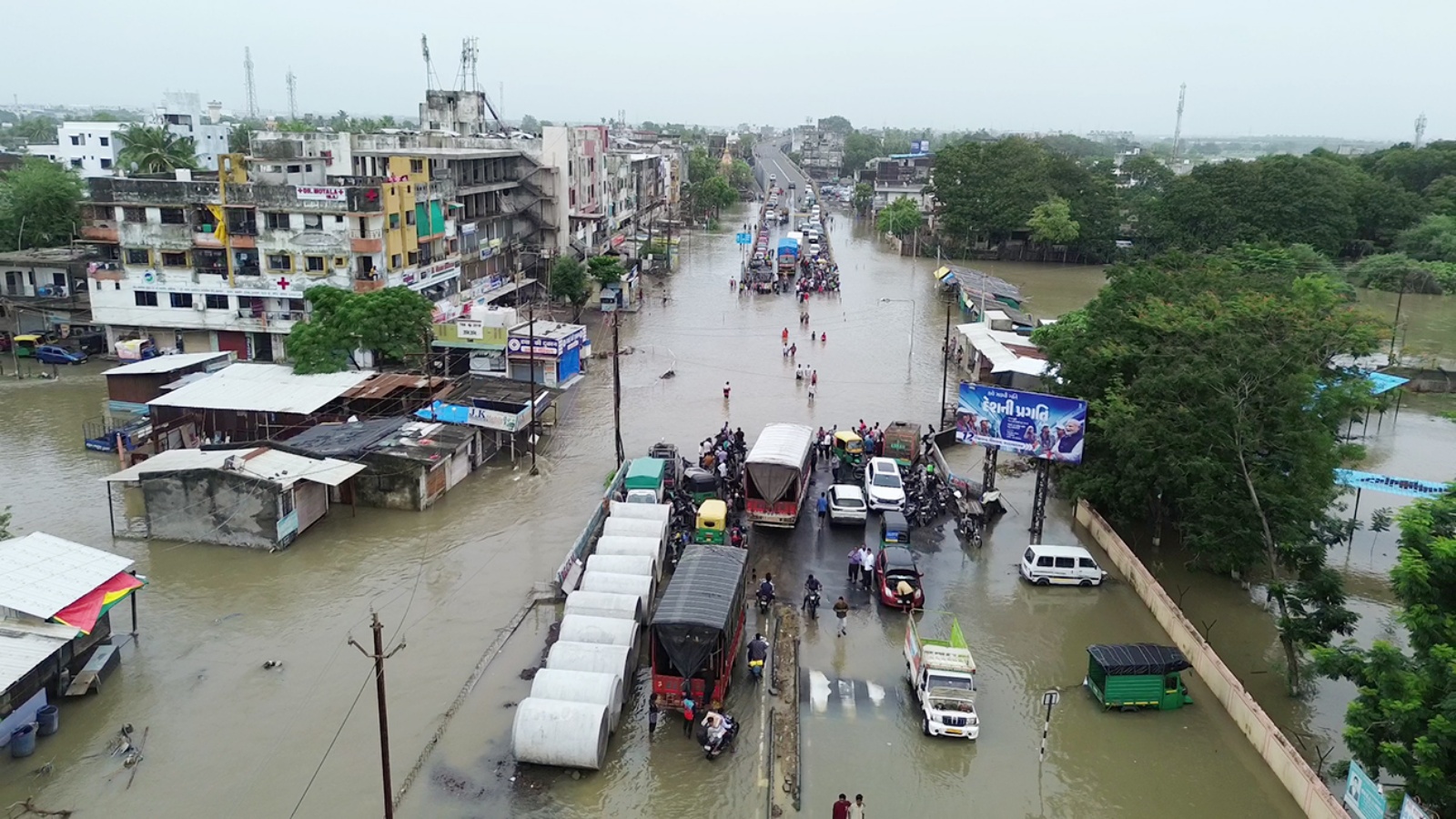
The weakening monsoon has already slowed kharif sowing, reduced soil moisture and widened deficits across key farming states. A sustained wet spell would boost reservoir inflows, replenish groundwater and alleviate water‑availability concerns. Yet, intense rainfall carries heightened risks of flash floods, landslides and isolated cloudbursts, especially in the hilly terrains of Uttarakhand and Himachal Pradesh.