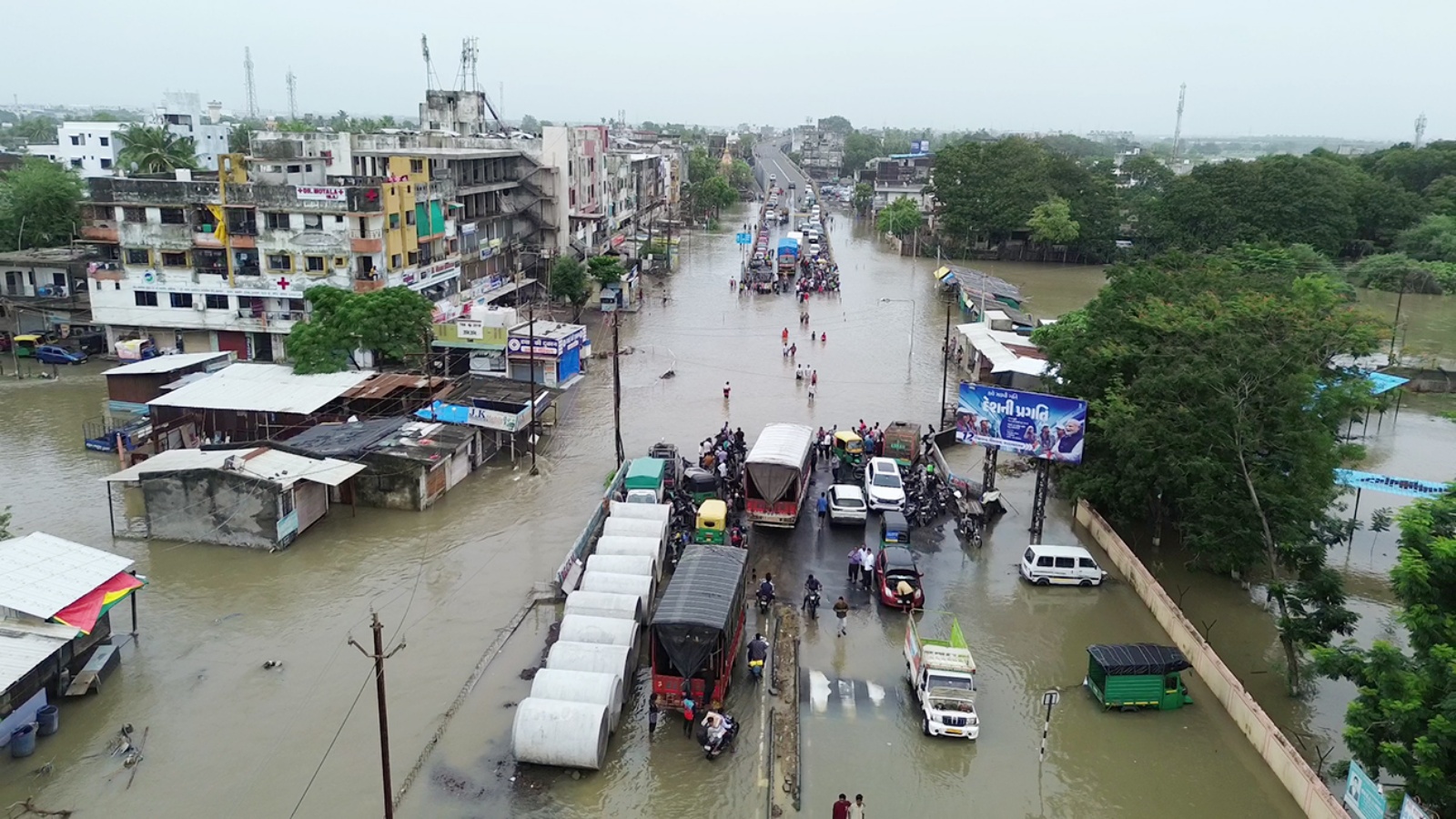
Heavy rain on July 7 caused the Mithi and Bhedwad creeks to overflow, flooding large parts of Surat. District Collector Tejas Parmar announced that ₹18 crore in relief has been distributed, with cash assistance to 53,999 individuals and additional help to 26,313 households.
Key Takeaways
- Government disbursed a total of ₹18 crore in flood relief
- ₹4.85 crore in cash aid provided to 53,999 individuals
- 26,313 households received supplementary assistance
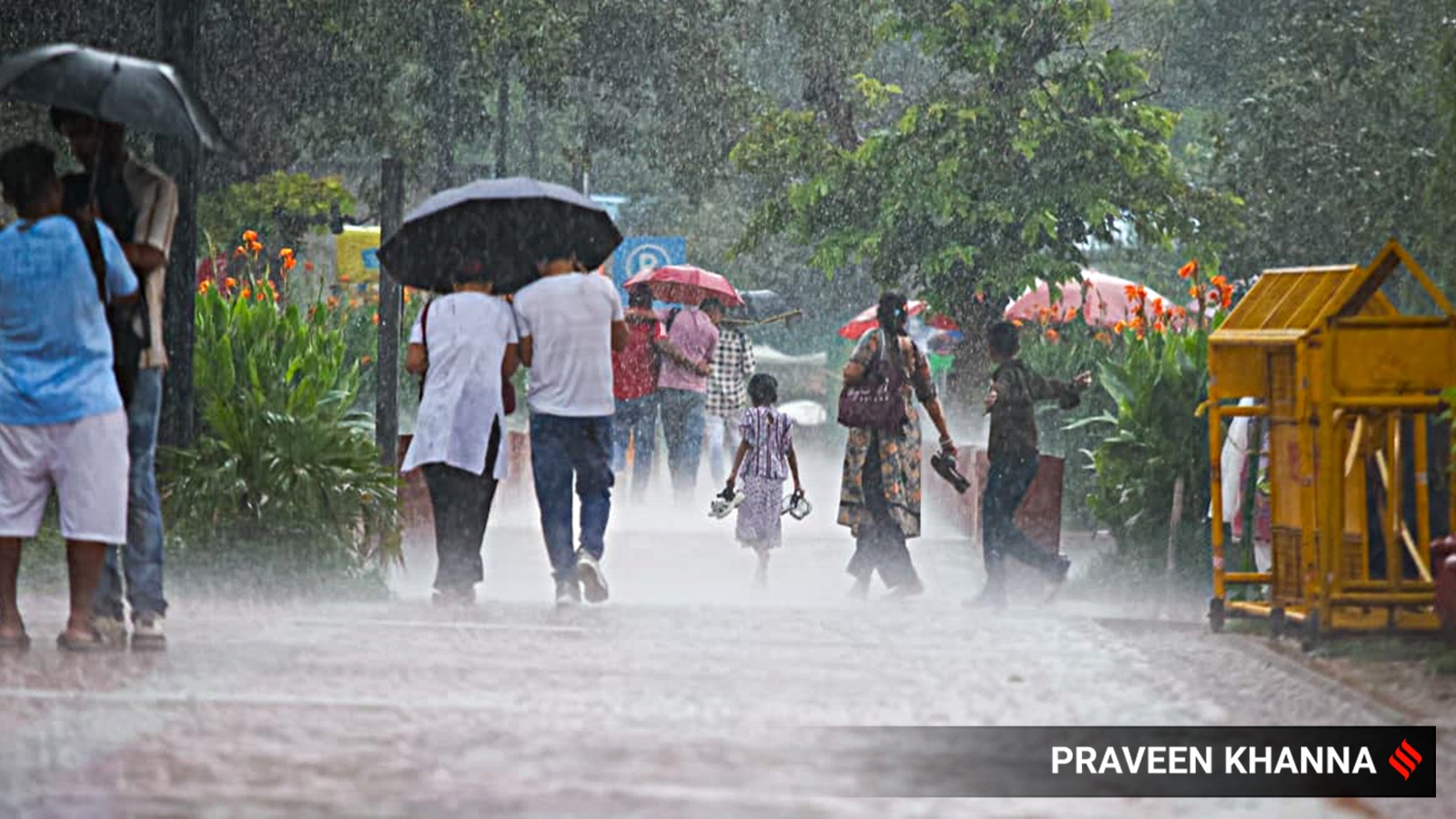
On July 7, Surat recorded up to 14 inches of rain, causing the Mithi and Bhedwad creeks to burst their banks. Floodwaters surged across the city, inundating neighborhoods such as Limbayat, Dindoli, Varachha, Udhna, Sachin, Simada, Laskana and Sarthana. The water began receding on July 9, but not before extensive damage was done.
Government Relief Details
District Collector Tejas Parmar confirmed that, to date, a total of ₹18 crore has been allocated to flood victims. Of this, ₹4.85 crore was paid directly as cash assistance to 53,999 individuals, while the remaining amount was distributed among 26,313 households in the form of material and food aid.
Survey and Political Response
Gujarat Chief Minister Bhupendra Patel visited the affected areas, urging the district administration to expedite a comprehensive survey and ensure that every impacted resident receives due compensation. Parmar added, “The survey is ongoing and the number of beneficiaries may rise as more families are verified.”
Impact on the Textile Sector
Saat’s renowned textile hub suffered heavily. Industry sources report that hundreds of powerloom factories were either partially or completely submerged. Viraj Patel, owner of a powerloom unit in SK Nagar Industries, Limbayat, lamented, “Water entered my factory, damaging all 60 machines and causing losses running into crores of rupees.” The Federation of Surat Textile Traders Association plans to meet the collector to streamline documentation for traders whose shops were damaged.
Long‑Term Mitigation and Climate Context
State officials have announced a special relief package for Surat’s businesses, and a systematic assessment of industrial losses is underway. Climate experts warn that rising monsoon intensity—linked to global warming—makes such extreme events more frequent. Consequently, experts call for upgraded drainage infrastructure, creek desilting, and resilient urban planning to safeguard the region’s economic engine.
While immediate relief is crucial, the episode underscores the need for robust, forward‑looking water‑management policies that can protect both lives and livelihoods in Gujarat’s flood‑prone zones.