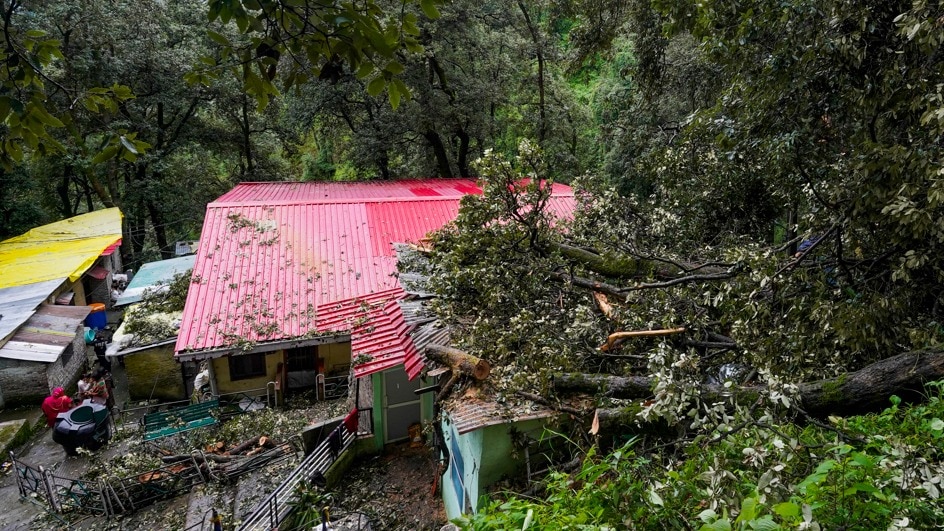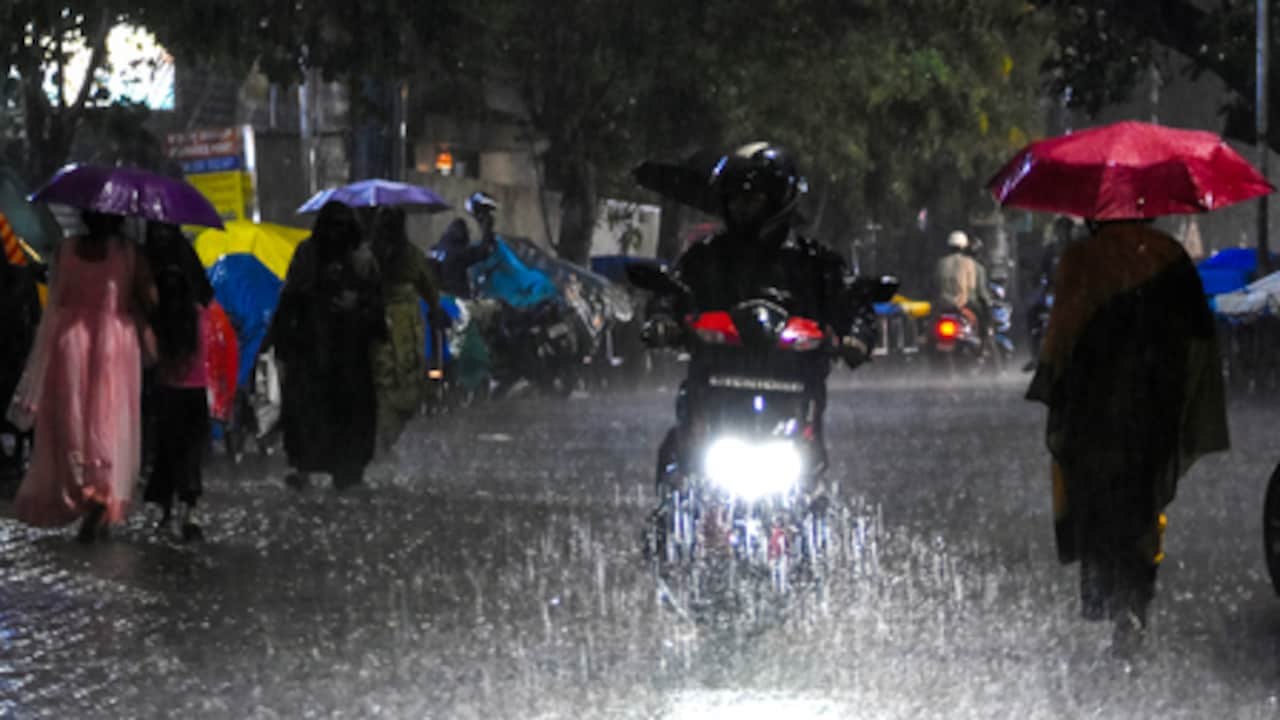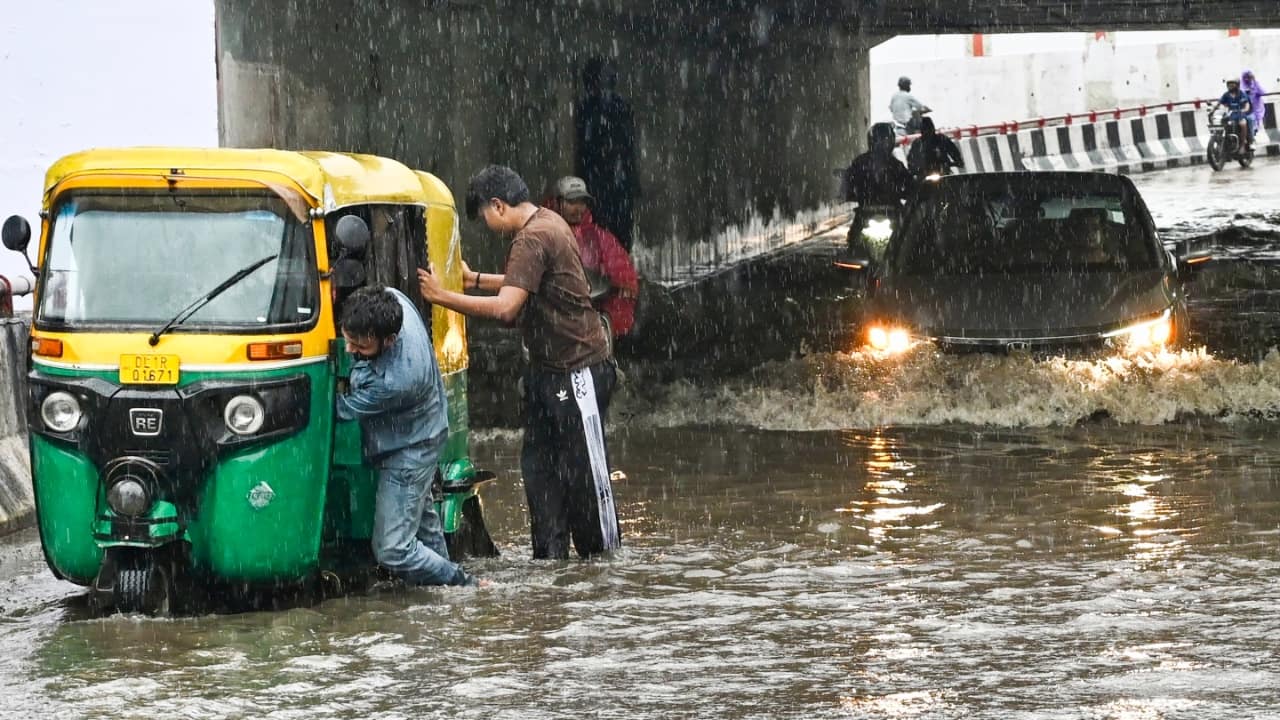
Delhi‑NCR will experience a dry spell for the next seven days as heavy rain ceases. Temperatures are expected to climb up to 38°C, while evening humidity will remain oppressive.
Key Takeaways
- Heavy rainfall will pause for the next 7 days across Delhi
- Maximum temperature could reach 37‑38°C
- Evening humidity will stay extremely high, raising perceived heat
After several days of relentless downpours, meteorologists have confirmed a “Monsoon Break” over Delhi‑NCR. The pause in precipitation is projected to last at least a week, allowing daytime temperatures to spike sharply while nighttime humidity stays at uncomfortable levels.
What a Monsoon Break Means
A monsoon break does not signal the end of the rainy season; it simply denotes a temporary lull in rainfall over central and north‑western India. According to Skymet and the India Meteorological Department, the low‑pressure system that was anchored over north‑west Madhya Pradesh is now weakening and shifting eastward into central Uttar Pradesh. This movement pushes the monsoon trough— the primary conveyor of moisture—farther north of Delhi, curtailing the supply of moisture needed for heavy showers in the capital.
Rising Temperatures and Humidity Dynamics
Clear skies and intense solar radiation are set to push maximum temperatures to 37‑38°C. The recent rains, however, have saturated the soil, leaving a large reservoir of moisture in the lower atmosphere. When the sun beats down on the wet ground, rapid evaporation will elevate the dew point, making evenings feel muggy and the heat index considerably higher than the actual temperature.
Precautionary Advice for Residents
Authorities advise citizens to stay hydrated, wear light clothing, and limit outdoor exposure during peak afternoon hours. The combination of high heat and lingering humidity can exacerbate heat‑stroke risks, especially for the elderly, children, and those with pre‑existing health conditions. Urban drainage bottlenecks may also trap heat at night, further stressing vulnerable populations.
While the current break offers temporary relief from flooding, it is not a permanent end to the monsoon. Forecasts suggest the system could re‑intensify as the trough swings back northward, so continuous monitoring of updates from the meteorological department remains essential.