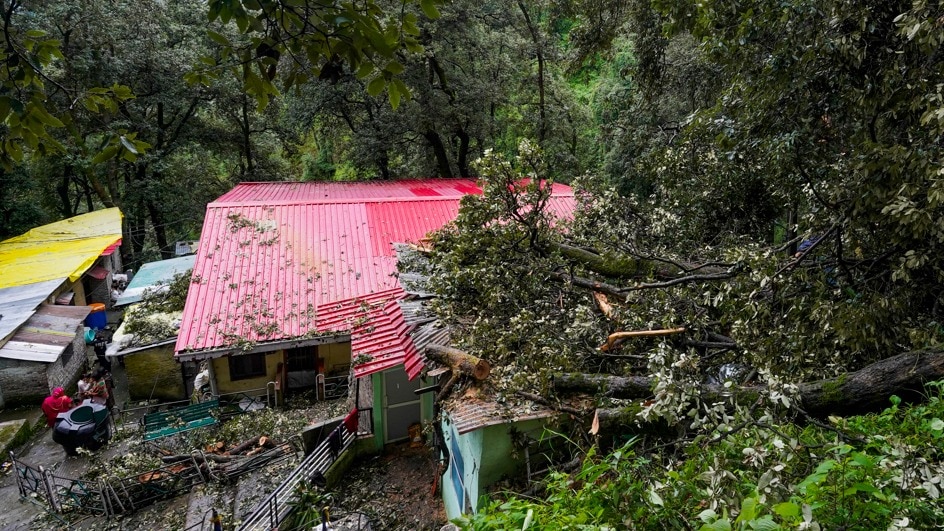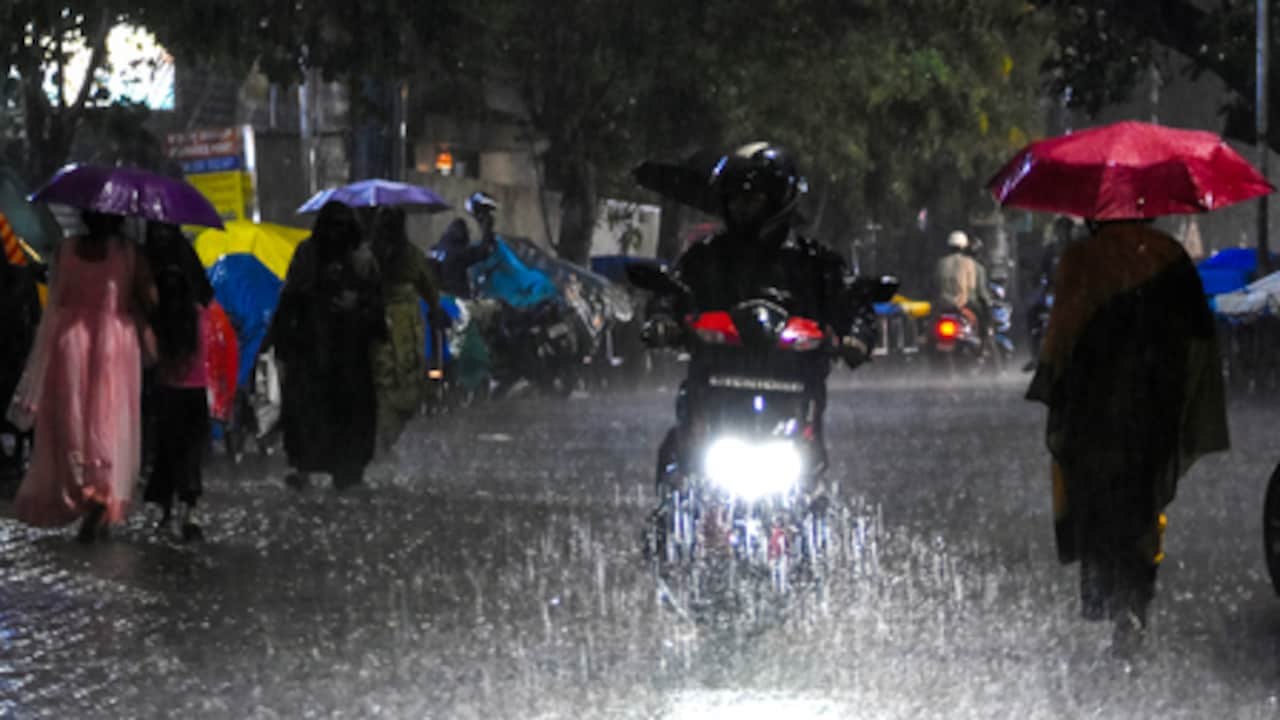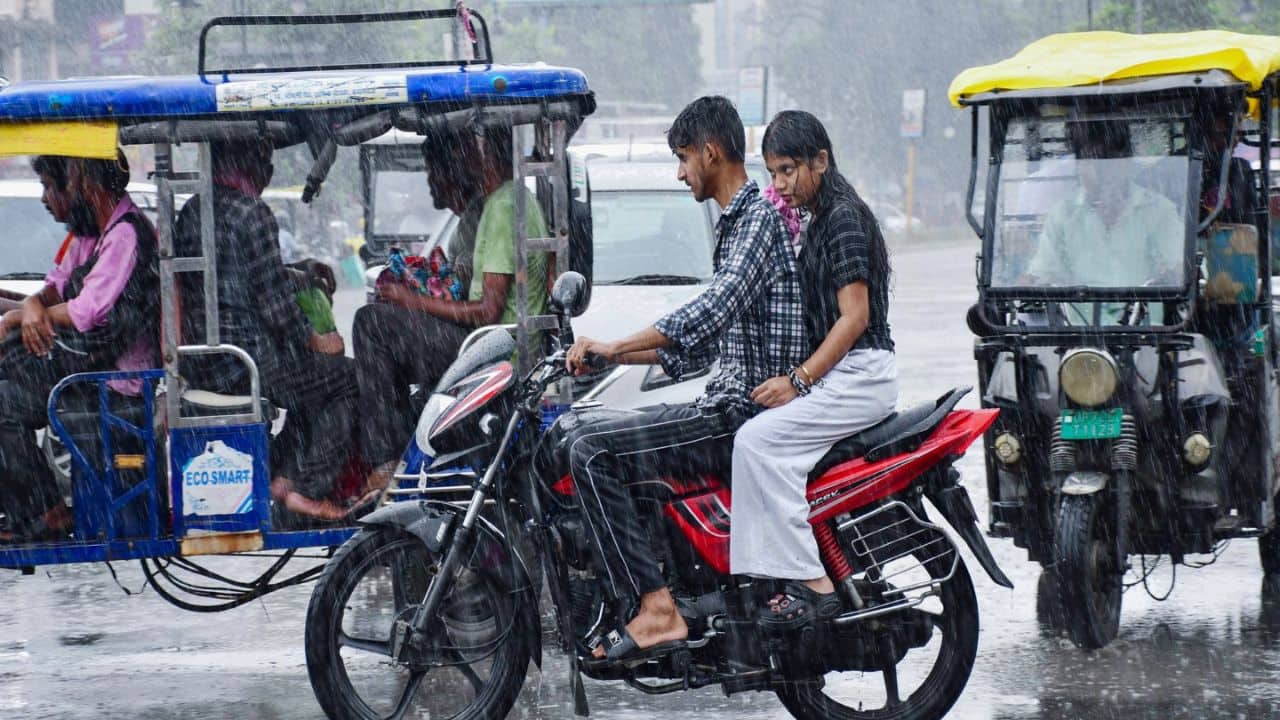
Heavy southwest monsoon rains on July 10 swept across several Indian states, causing over ten deaths, landslides in Uttarakhand and dangerous river rises in Uttar Pradesh and Himachal Pradesh. The IMD issued multiple alerts as transport networks stalled and schools shut down.
On July 10, 2026, the southwest monsoon intensified across the Indian subcontinent, dumping unprecedented rainfall in a short span. The India Meteorological Department (IMD) warned of light to moderate rain interspersed with thunderstorms, lightning and winds of 30‑40 km/h, but the reality turned out far more severe, with floods, landslides and road closures becoming the norm.
Human Toll and Key Incidents
More than ten people lost their lives in rain‑related incidents nationwide. Gujarat’s Surat district alone reported 17 fatalities after flash floods inundated low‑lying neighborhoods. In Uttarakhand’s Rudraprayag, the Alaknanda and Mandakini rivers swelled, prompting authorities to shut all schools for the day. Uttar Pradesh’s western districts—Ghaziabad, Meerut, Hapur, Bulandshahr, Baghpat, Muzaffarnagar, Bijnor, Saharanpur and Moradabad—were placed under a red alert, with schools closed as a precaution.
Geophysical Background and Historical Context
Monsoon‑driven floods and landslides are a recurring feature of India’s climate, especially in the Himalayan foothills where fragile geology meets intense precipitation. The 2013 Uttarakhand disaster, which claimed over 5,000 lives, serves as a grim reminder of how quickly saturated slopes can give way. Climate‑change studies suggest that monsoon variability is increasing, leading to more erratic and intense rain events that strain existing infrastructure.
Government Response and Relief Operations
State governments have mobilised emergency teams, closed schools, rerouted traffic and set up relief camps. Gujarat’s Chief Minister Bhupendra Patel visited flood‑hit areas, urging a long‑term drainage plan to prevent repeat inundations. In Himachal Pradesh, 75 roads remained blocked, 29 power transformers and five water‑supply schemes were damaged, according to the State Disaster Management Authority. Rescue teams in Kerala’s Wayanad district continue to search for two missing persons after a landslide claimed six lives earlier in the week.
Future Outlook and Recommendations
The IMD has issued a red alert for parts of western Uttar Pradesh, forecasting heavy to extremely heavy rain through July 11, with temperatures expected to dip by 2‑4 °C. Experts argue that merely reacting to each event is insufficient; a comprehensive overhaul of urban drainage, early‑warning systems and slope‑stabilisation measures is essential to mitigate future losses.
In sum, this monsoon episode underscores the vulnerability of India’s infrastructure to climate‑driven extremes, reinforcing the need for resilient, science‑backed planning to safeguard lives and livelihoods.