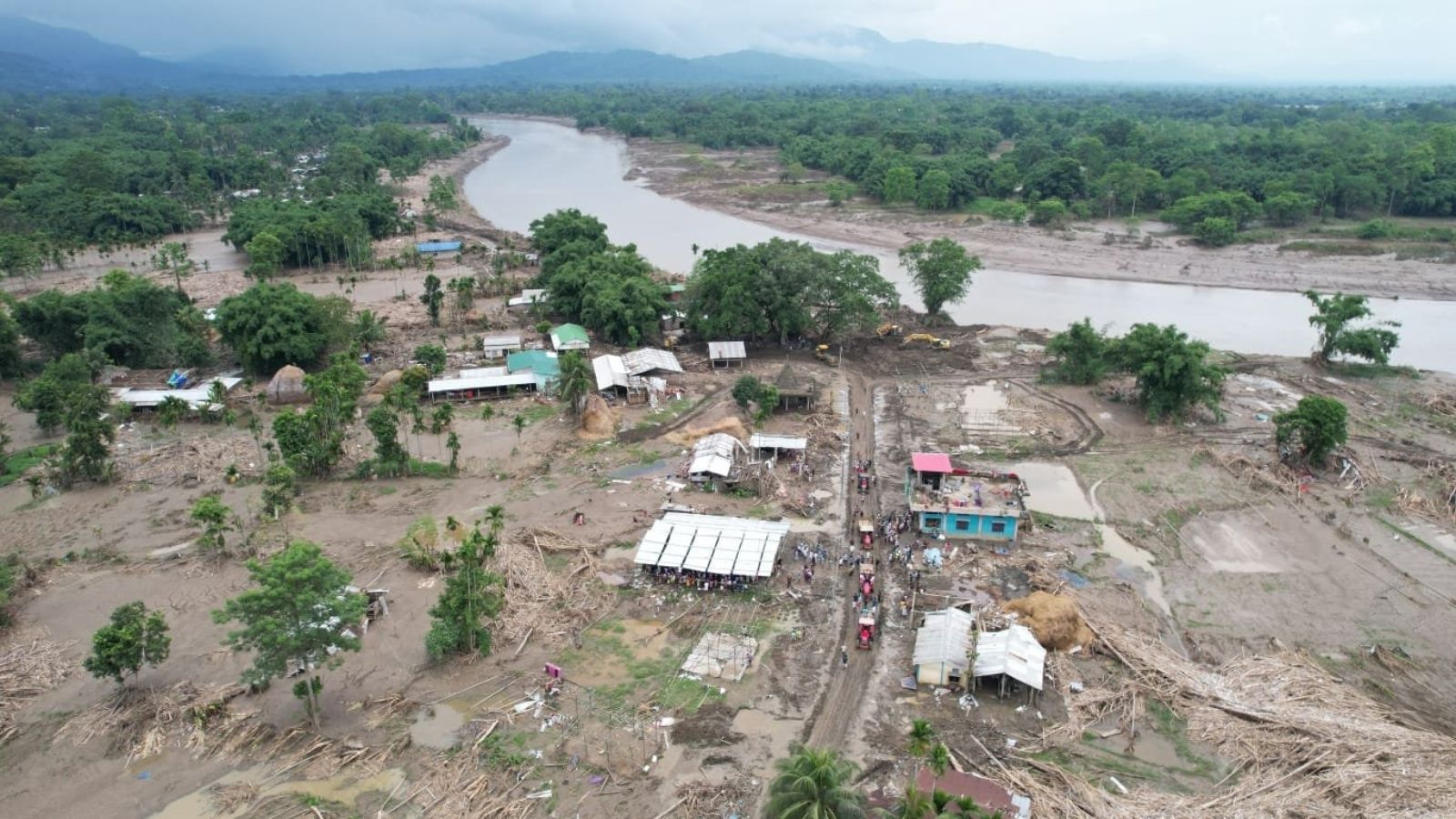
The vital Rhine River has plummeted to unprecedented low levels, severely impacting commercial shipping across Europe. This critical situation is forcing a significant shift from waterborne freight to more expensive and less efficient land transport methods, posing substantial challenges to the continent's economy and supply chains.
Key Takeaways
- The Rhine River has reached unprecedented low water levels, severely impeding commercial navigation.
- This crisis forces a costly shift from waterborne freight to less efficient land transport, straining European supply chains.
- The recurring low levels highlight the escalating impact of climate change on critical European infrastructure and economy.
The Rhine River, a crucial artery for European commerce, has once again plunged to record low water levels, creating significant disruptions across the continent's industrial and economic landscape. This alarming development, exacerbated by persistent drought conditions, is making large parts of the river impassable for fully loaded cargo barges, forcing industries to seek alternative, often more expensive and less efficient, land-based transport solutions.
The severity of the current situation means that many vessels can only operate at a fraction of their capacity to avoid grounding, drastically increasing shipping costs and delivery times. Industries reliant on the Rhine for transporting raw materials like coal, oil, chemicals, and grains are particularly hard hit. This includes major players in Germany, France, and the Netherlands, where factories face potential production slowdowns and supply chain bottlenecks, threatening to exacerbate inflationary pressures already affecting the European economy.
Historical Background
While low water levels on the Rhine are not entirely new, their increasing frequency and severity are a growing concern. Significant droughts in 2018 and 2022 also saw the river's levels drop dramatically, causing similar disruptions. Experts attribute this trend to climate change, leading to hotter, drier summers and reduced snowmelt from the Alps, which historically feeds the river. The sustained periods of low rainfall and higher evaporation rates are fundamentally altering the river's hydrology, posing long-term challenges for navigation and ecological balance.
Why This Matters
The Rhine River is not just a waterway; it's a strategic economic corridor connecting industrial hubs in Switzerland, Germany, France, and the Netherlands to the North Sea ports. Its efficient operation is vital for the flow of goods across Europe. BozokMedia analysis shows that prolonged disruptions on the Rhine can have a cascading effect, impacting everything from energy security (transport of coal for power plants) to manufacturing output and consumer prices. The shift to rail and road transport, while necessary, puts immense pressure on existing infrastructure, leading to congestion, increased emissions, and higher logistical costs, ultimately burdening businesses and consumers.
"The recurring crisis on the Rhine is a stark indicator of how climate change is directly impacting Europe's foundational economic infrastructure, demanding urgent and adaptive long-term strategies."
Frequently Asked Questions
- What industries are most affected by the low Rhine water levels? Industries heavily reliant on bulk transport, such as chemical manufacturing, energy (coal, oil), automotive, and agriculture (grains), are most severely impacted due to increased transport costs and potential supply disruptions.
- What long-term solutions are being considered to address the Rhine's low water challenges? Potential solutions include deepening critical sections of the river, developing more drought-resistant barge designs, improving water management strategies, and investing in expanded rail and road freight networks to reduce over-reliance on river transport.