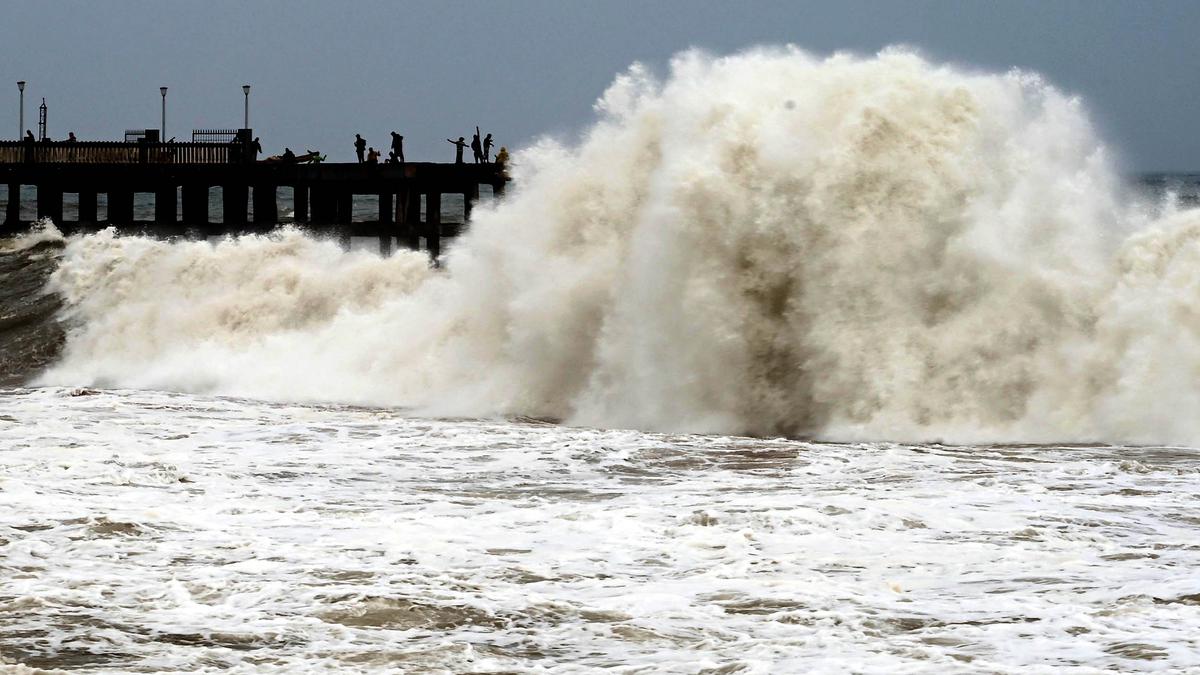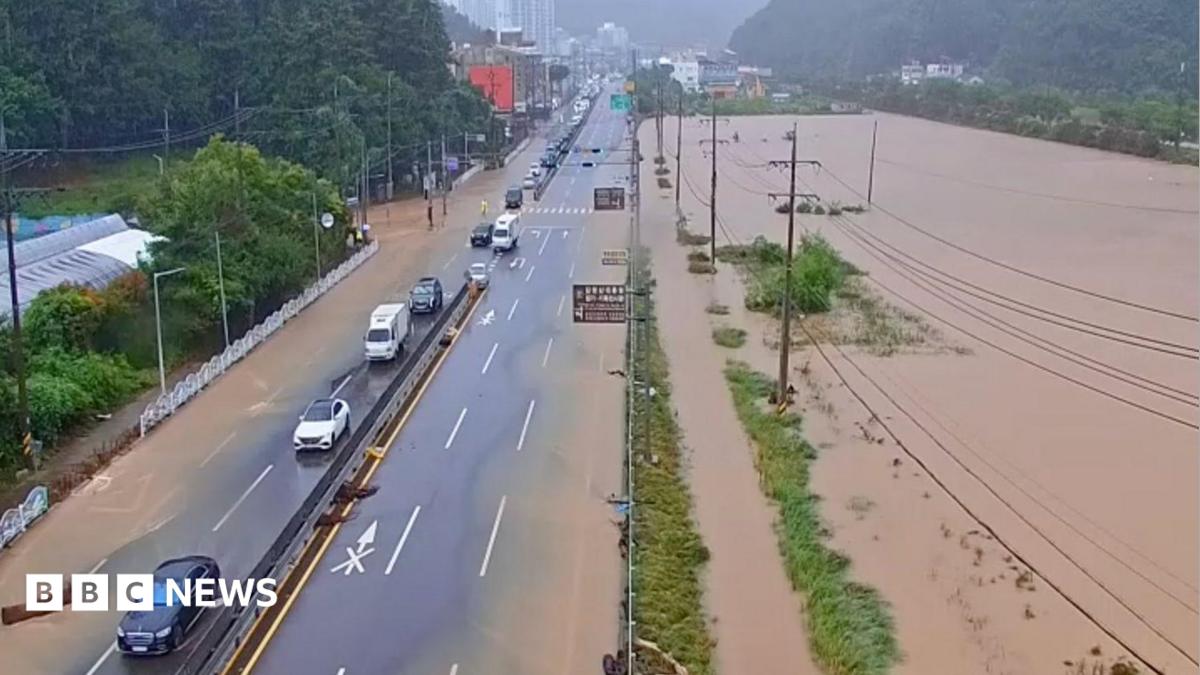
Torrential rains in South Korea's Gyeongsang province triggered a deadly landslide, killing one and injuring two. Geoje recorded a historic 124.5 mm of rain in one hour, the highest since records began in 1972.
Key Takeaways
- Deadly landslide in South Korea's Gyeongsang province
- One fatality, two injured
- Geoje sees 124.5 mm in one hour – highest since 1972
Landslide Incident
Heavy rain in the Gyeongsang province caused a landslide that buried the ground floor of an apartment building in Geoje on Monday morning. Rescuers pulled three people from the rubble, one of whom was later pronounced dead.
Geoje recorded 124.5 mm of rain in a single hour, the most since the city’s meteorological records began in 1972. Between Sunday and Monday night, the city received more than 400 mm of rain, flooding streets and submerging vehicles.
Historical Background
Multiple storms have swept across East and Southeast Asia this month, causing widespread flooding and landslides. This year’s typhoon season is expected to be more intense due to a strong El Niño that began in June, which raises global temperatures and intensifies tropical cyclones.
Why This Matters
BozokMedia analysis shows that extreme precipitation events are increasing in frequency across East Asia, underscoring the need for upgraded urban drainage and early‑warning systems.
"The accelerating pace of climate change is turning these extreme rain events into a new normal," says climate expert Dr. Susan Park.
Frequently Asked Questions
Q1: Will there be more flooding after the landslide?
A: The weather bureau has issued warnings for additional heavy rain over the next 48 hours, so vigilance remains essential.
Q2: How can residents access emergency assistance?
A: Local authorities have opened emergency shelters and are distributing relief supplies; residents should contact the nearest relief center.