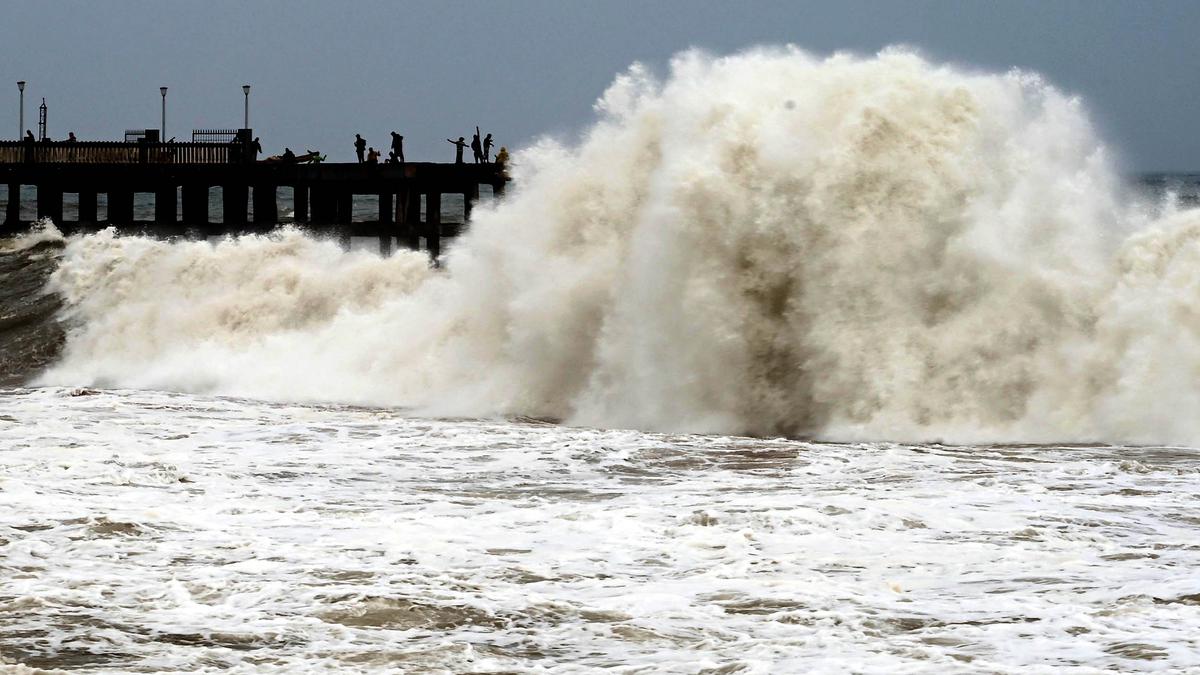
Global oceans are under unprecedented strain as the El Niño phenomenon supercharges warming to record-breaking levels, threatening marine life and human stability.
- Ocean temperatures have reached their highest levels on record due to El Niño.
- The intensifying heat poses a severe threat to marine ecosystems and human life.
- The synergy between global warming and El Niño is accelerating temperature rises.
The world's oceans are currently facing an unprecedented crisis. According to recent scientific reports, ocean temperatures have surged to record-breaking levels, pushing marine ecosystems to their absolute limits. The primary driver behind this sudden spike is the El Niño phenomenon, which is acting as a catalyst, supercharging the warming process across the globe.
Researchers have emphasized that the strain on our oceans is unlike anything seen in recorded history. As surface temperatures rise, the impact extends far beyond the water; it destabilizes global weather patterns, leading to more frequent and intense extreme weather events, including severe hurricanes, droughts, and unpredictable rainfall patterns.
Why This Matters
BozokMedia analysis shows that ocean warming is not just an ecological concern but a systemic risk to global stability. Rising temperatures disrupt marine biodiversity, threaten the livelihoods of millions dependent on fishing, and accelerate sea-level rise, which endangers coastal infrastructure and human settlements worldwide.
The current trajectory of ocean heatwaves represents a critical tipping point that could lead to irreversible shifts in marine biology.
Historically, the oceans have served as the Earth's primary heat sink, absorbing a vast majority of the excess heat generated by greenhouse gas emissions. However, as they reach these record-breaking thresholds, their capacity to regulate the global climate is being severely compromised.
Historical Background
While ocean warming has been a gradual trend over decades due to anthropogenic climate change, the recent intensification driven by El Niño has created a 'perfect storm.' Recent data from August has confirmed that we are entering a new, more volatile era of oceanography where temperature spikes are becoming more frequent and extreme.
Frequently Asked Questions
Question 1: How does El Niño affect ocean temperatures?
Answer: El Niño causes a warming of the surface waters in the eastern tropical Pacific Ocean, which subsequently influences global sea temperatures.
Question 2: What are the long-term consequences of this warming?
Answer: Long-term consequences include coral bleaching, loss of marine biodiversity, and more extreme weather patterns globally.