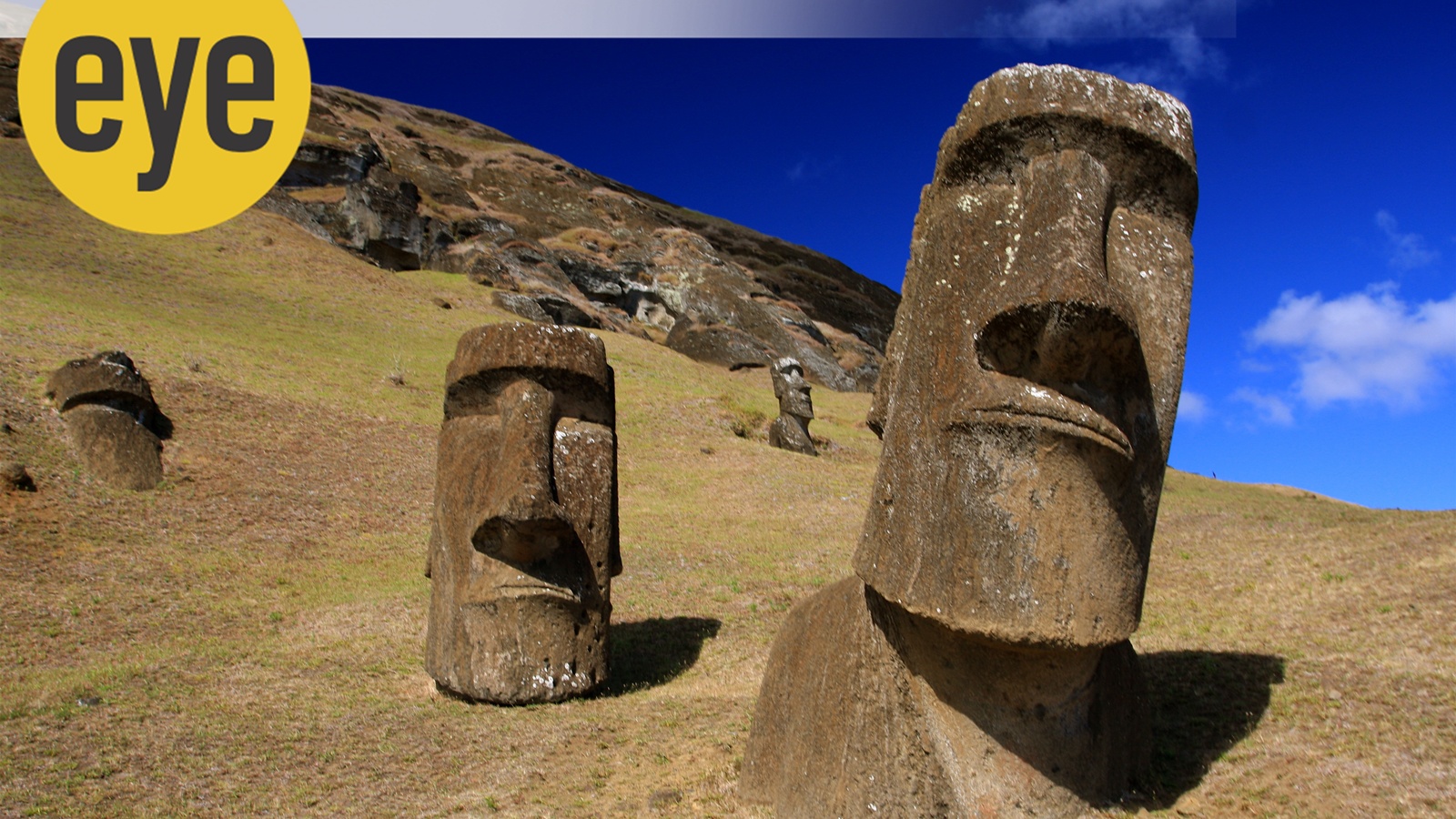
The ecological collapse of Easter Island serves as a haunting cautionary tale for a modern world plundering its natural resources. This deep dive explores how resource mismanagement and greed can lead to the downfall of entire civilizations.
- The collapse of the Rapa Nui civilization is linked to the overexploitation of island resources.
- The 'Ecocide Hypothesis' suggests massive deforestation was required to transport the Moai statues.
- Modern industrial exploitation of forests and mountains mirrors the historical mistakes of Easter Island.
Located 3,500 km off the coast of Chile, Easter Island (known as Rapa Nui) is home to nearly 1,000 massive stone figurines called Moai. These volcanic ash carvings, featuring oversized heads, once stood as sentinels for a thriving Polynesian society. However, the fallen state of many statues today tells a much darker story of societal and ecological collapse.
According to the controversial 'Ecocide Hypothesis' proposed by scientist Jared Diamond, the very act of celebrating their culture led to its demise. To transport the massive Moai to their platforms, the inhabitants utilized large wooden rollers, necessitating widespread deforestation. This loss of tree cover triggered soil erosion, crop failure, and the extinction of native bird species, effectively crippling the island's ability to sustain its population.
Why This Matters
BozokMedia analysis shows that the patterns of Rapa Nui are being repeated globally. From the destruction of the Hasdeo Arand forests in India for coal mining to the relentless tunneling through mountain ranges for infrastructure, humanity is once again prioritizing short-term industrial gain over long-term ecological stability.
Overexploiting a resource base at an unsustainable level is a direct path to societal collapse.
The tragedy was compounded in the 1770s when European settlers arrived, introducing diseases to which the Polynesians had no immunity. This, followed by the brutal 'blackbirding' slave trade, decimated the population. Between 1862 and 1888, a staggering 94% of the island's inhabitants perished.
While some modern scholars debate the extent of the 'ecocide,' arguing that agriculture might have compensated for deforestation, the underlying lesson remains undeniable. The tension between spiritual/cultural pursuits and resource management is a struggle that defines the human condition.
Frequently Asked Questions
1. What is the Ecocide Hypothesis?
It is the theory that the Rapa Nui people destroyed their own environment through deforestation and resource mismanagement, leading to their civilization's downfall.
2. Did Europeans contribute to the population decline?
Yes, the introduction of foreign diseases and the subsequent slave trade were primary factors in the near-extinction of the native population.