The Trump administration's proposed rollback of the 2001 Roadless Rule puts the last remaining roadless lands and critical ecosystems at severe risk.
- The rollback of the 2001 Roadless Rule threatens America's remaining wilderness.
- Critical habitats like Alaska's Tongass National Forest face imminent disruption.
- Expanding road networks could permanently damage water quality and wildlife migration.
The quiet hum of civilization is omnipresent in the United States. With more than 4.2 million miles of public roads crisscrossing the lower 48 states, the infrastructure is vast enough to reach the Moon and back nearly nine times. This massive network has effectively encroached upon the landscape, leaving only about 5 percent of the land designated as inventoried roadless areas or wilderness.
However, these last bastions of untouched nature are now facing a significant political challenge. The Trump administration's proposed rollback of the 2001 Roadless Rule seeks to open these protected lands to road construction and industrial exploitation, potentially altering the face of the American landscape forever.
Why This Matters
BozokMedia analysis shows that the implications of this policy shift extend far beyond mere construction. Removing these protections creates a domino effect that impacts biodiversity, carbon sequestration, and watershed integrity. When roads penetrate deep into old-growth forests, they fragment habitats and introduce pollutants into pristine water sources.
Protecting roadless areas is not just about preserving scenery; it is about maintaining the biological machinery that supports life across the continent.
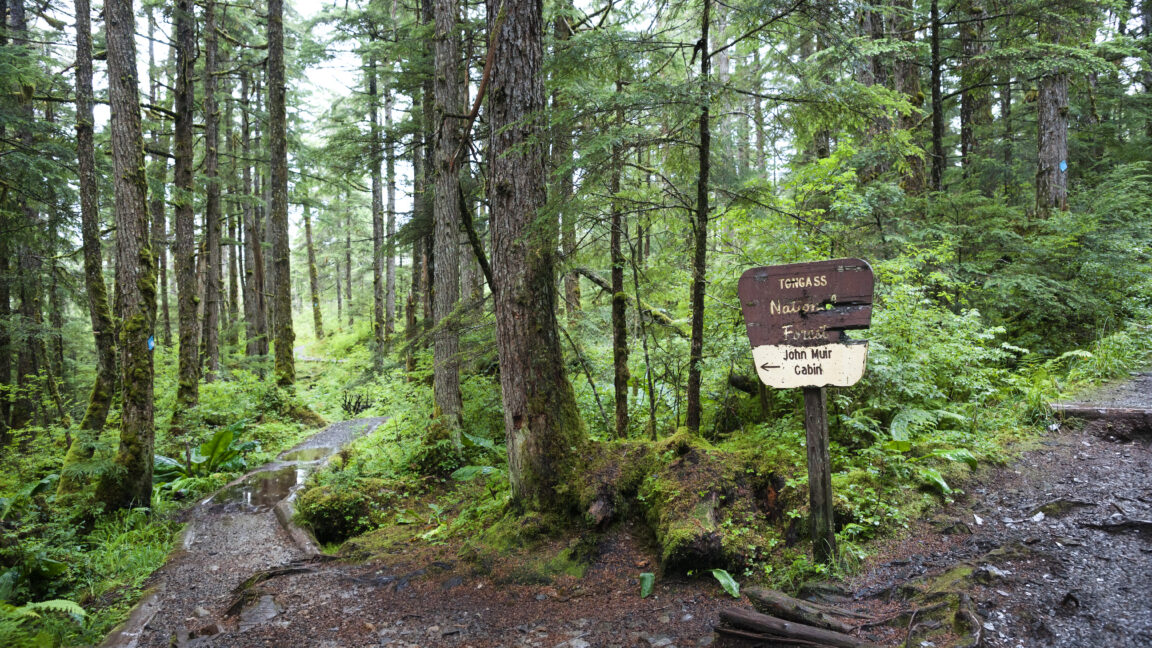
One of the most vulnerable regions identified in this proposal is southeast Alaska's Tongass National Forest. This area is a cornerstone of coastal biodiversity, home to old-growth forests that support eagles, bears, salmon, and countless other species. The introduction of roads here could disrupt the delicate balance of the Inside Passage ecosystem.
Historical Background
The 2001 Roadless Rule was established to provide a standardized framework for managing roadless areas on the National Forest System. It was designed to balance multiple uses of public lands while ensuring that the most ecologically sensitive areas remained free from the fragmentation caused by road networks.
Frequently Asked Questions
1. What is the significance of the 2001 Roadless Rule?
It serves as a legal safeguard to prevent road construction in sensitive forest areas, preserving wildlife habitats and water quality.
2. Which area is most at risk?
The Tongass National Forest in Alaska is considered one of the most critical areas potentially impacted by the proposed rollback.