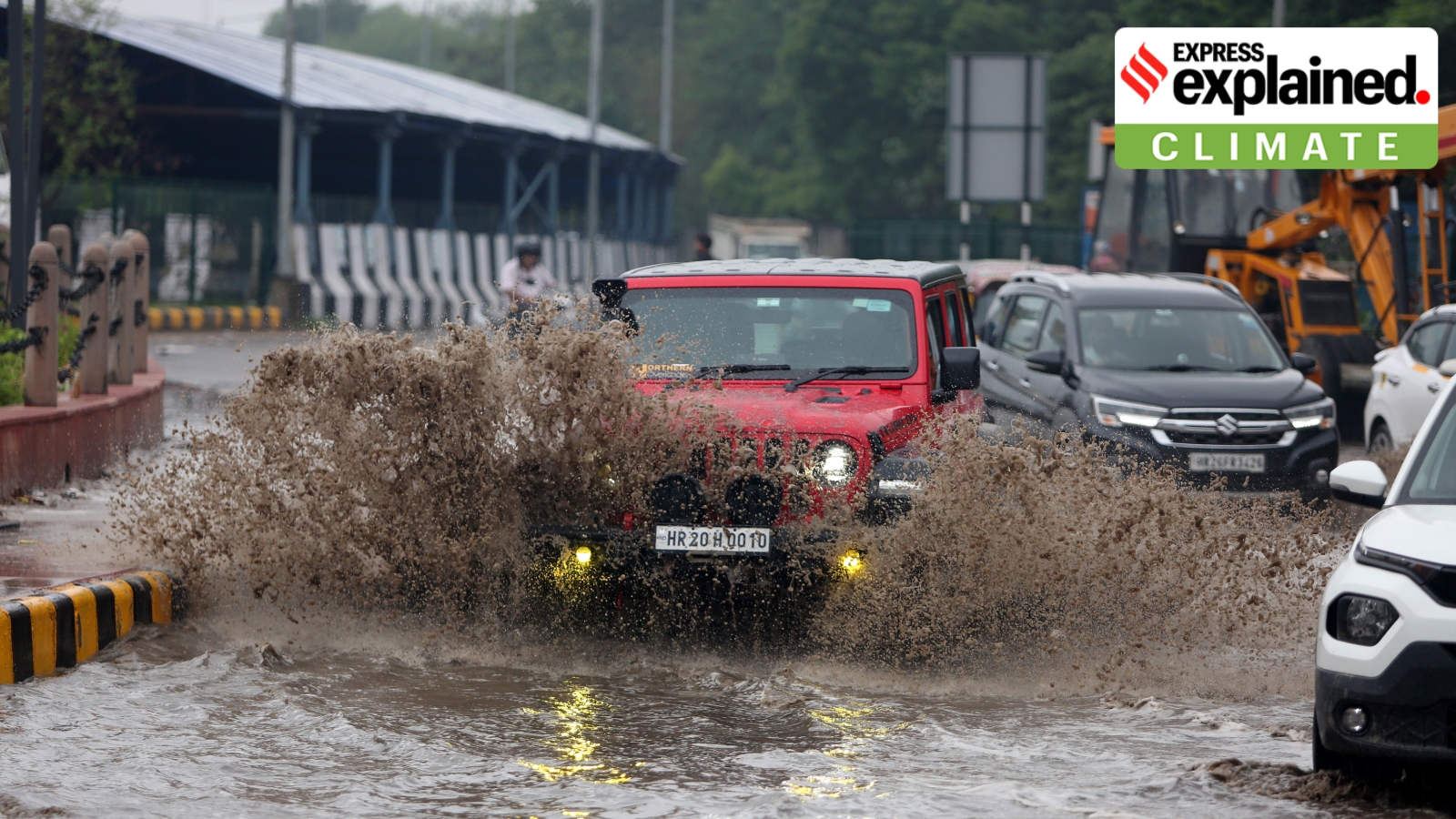
From Gurugram's heatwaves to its sudden floods, experts reveal how unplanned urban growth and climate change are turning weather events into recurring urban disasters.
- Unplanned construction and concrete surfaces are destroying natural drainage systems.
- The 'Urban Heat Island' effect makes city centers 3-4°C hotter than surroundings.
- Climate change is intensifying the frequency and severity of weather hazards.
The transition of Gurugram from extreme heat in May to severe waterlogging in August serves as a stark warning. While the weather events were different—one a heatwave and the other intense rain—the underlying failure was identical. What differentiates a mere weather event from an urban disaster is the city's inability to withstand it due to poor planning and infrastructure.
Natural Hazard vs. Urban Disaster
According to the United Nations Office for Disaster Risk Reduction, a hazard like a cloudburst or cyclone becomes a disaster when it hits a population or infrastructure that lacks the capacity to cope. In Indian metropolises, this vulnerability is engineered through the narrowing of natural drains, the encroachment of floodplains, and the massive replacement of soil with concrete.
Why This Matters
BozokMedia analysis shows that the rapid urbanization of India is outstripping its infrastructure development. In Bengaluru, for instance, built-up land surged from 8% in 1973 to nearly 74% by 2013, while vegetation plummeted from 68% to less than 15%. This drastic shift means the ground can no longer absorb rainwater, leading to instant flooding.
The hazard begins with the weather, but the extent of the damage is determined by how the city is built and governed.
The Heat Factor: The same concrete that prevents water absorption also traps heat. Asphalt and dense buildings create 'Urban Heat Islands,' where temperatures in city centers can be up to 4°C higher than in rural outskirts. This creates a deadly cycle of heat retention that persists even after sunset.
Historical Context & Economic Impact
Historically, Indian urban growth has prioritized immediate housing needs over long-term environmental resilience. The World Bank warns that failure to adapt could lead to annual urban flood losses of $30 billion by 2070. While the 2025 amendment to the Disaster Management Act has introduced Urban Disaster Management Authorities, the gap between policy and ground-level implementation remains wide.
Frequently Asked Questions
1. What is the primary cause of urban flooding in India?
The primary cause is the loss of natural water bodies and the replacement of permeable soil with impermeable concrete surfaces.
2. How does urbanization contribute to heatwaves?
Urbanization increases the density of heat-absorbing materials like asphalt and concrete, creating localized hot zones known as heat islands.