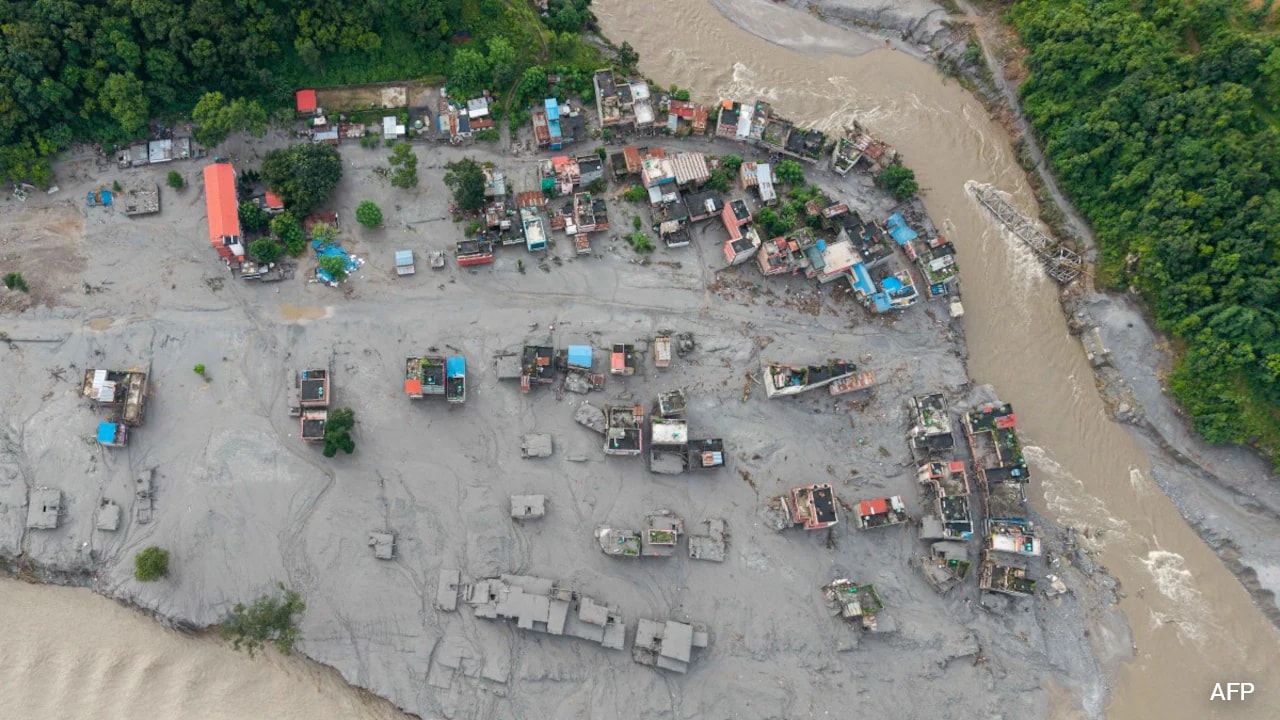
The Narayani river in Nepal, known as the Gandak in India, represents a critical shared waterway that brings both resources and significant flood risks to both nations. Recent flash floods in Nuwakot highlight the growing vulnerability.
- The Narayani (Nepal) and Gandak (India) are parts of the same river system.
- Flash floods in Nepal's Nuwakot district have caused severe structural damage.
- Transboundary water management is essential for regional flood mitigation.
The hydrological connection between Nepal and India is deeply intertwined through shared river systems. A primary example is the river known as the Narayani in Nepal, which transitions into the Gandak once it crosses the Indian border. This shared artery is vital for the livelihoods of millions but also serves as a conduit for devastating floods.
Recent aerial imagery from Nepal's Nuwakot district reveals a harrowing scene of destruction. Flash floods have left numerous homes submerged under thick layers of sludge and debris. This surge of water and sediment is a stark reminder of the increasing frequency of extreme weather events in the Himalayan foothills.
Why This Matters
BozokMedia analysis shows that hydrological shifts in Nepal have direct downstream consequences for India. Any sudden rise in the Narayani's water level translates into an immediate threat to the floodplains of Bihar and Uttar Pradesh in India, impacting agriculture, infrastructure, and human settlements.
Transboundary river management is no longer just a technical necessity; it is a critical component of regional diplomatic and humanitarian stability.
The complexity of this river system is compounded by heavy siltation. As mountains erode due to deforestation and climate instability, the riverbeds become shallower, forcing the water to spread wider and more violently during monsoon seasons. This makes flood prediction and management an increasingly difficult task for both nations.
Historical Background
The Gandak river has historically been a lifeline for the Gangetic plains. For decades, India and Nepal have engaged in various water-sharing and flood-control treaties. However, the rapid onset of climate change and the unpredictable nature of Himalayan flash floods are testing the limits of these existing bilateral frameworks.
Frequently Asked Questions
1. Is there a difference between the Narayani and Gandak rivers?
No, they are the same river system, referred to by different names in Nepal and India respectively.
2. Why do floods in Nepal affect India?
Since the river flows from Nepal into India, high water levels or debris flows in Nepal directly increase the flood risk in India's downstream states.


