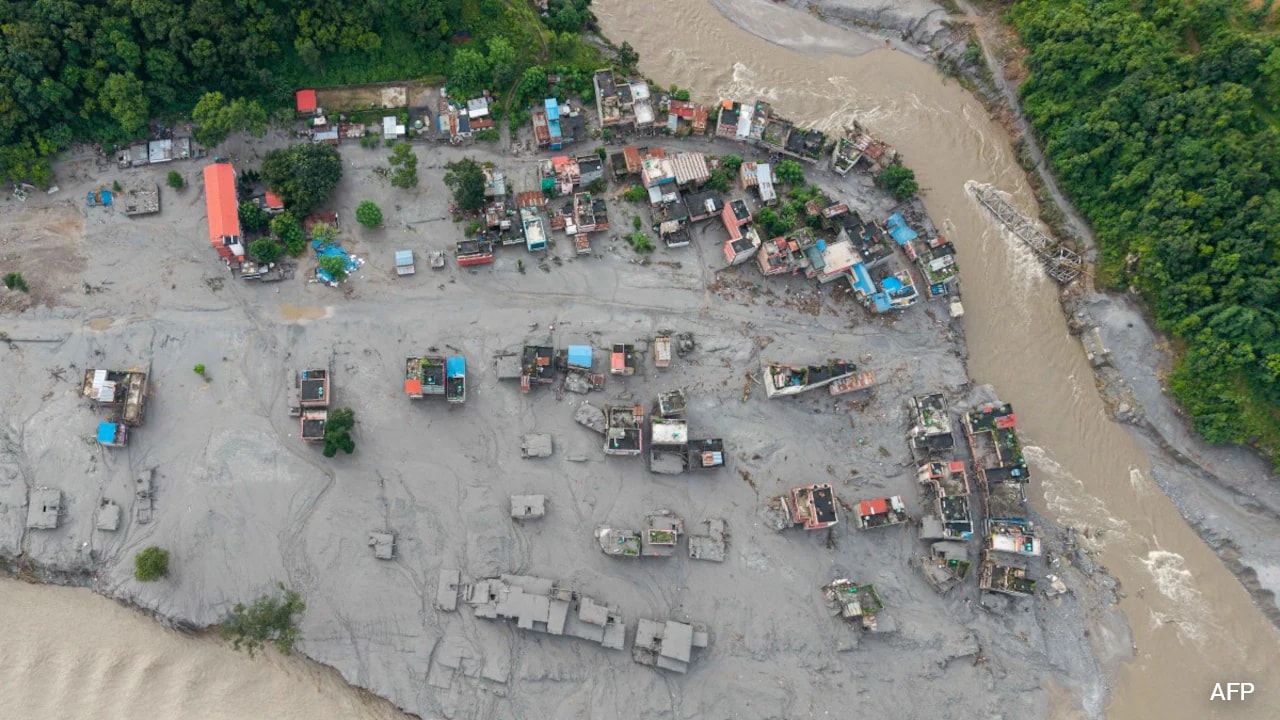
Following devastating flash floods in Nepal, the SDRF has been placed on high alert in Uttarakhand's border district of Champawat. Authorities have warned residents to stay away from the Sharda River banks.
- SDRF Tanakpur post is on high alert due to severe flooding in neighboring Nepal.
- Continuous monitoring of the Sharda River, Sharda Ghat, and Sharda Barrage is underway.
- Residents and travelers are urged to avoid riverbanks and follow administrative guidelines.
- Helpline numbers have been released for citizens stranded in Nepal.
Vigilance has been significantly stepped up in Champawat, a border district of Uttarakhand, following the catastrophic flash floods that swept through Northern Nepal on Wednesday, August 26, 2026. In response to the escalating situation, the State Disaster Response Force (SDRF) has placed its Tanakpur post on high alert to prevent any potential cross-border disaster impact.
Active Monitoring and Patrolling
Under the direct instructions of SDRF Commandant Arpan Yaduvanshi, the Tanakpur team is conducting continuous patrolling and monitoring of vulnerable riverbank areas. Key locations under surveillance include Sharda Ghat, the Sharda Barrage, and surrounding low-lying localities. The primary objective is to track the fluctuating water levels of the Sharda River and mitigate risks to local populations.
SDRF personnel have been deployed to interact with local residents, fishermen, and travelers, warning them of the imminent dangers posed by rising water levels. Officials have emphasized that no one should venture near the riverbanks unnecessarily under any circumstances.
Why This Matters
BozokMedia analysis shows that the interconnected hydrological systems of the Himalayas mean that extreme weather events in Nepal have immediate implications for India's border states. The sudden surge in river volume can lead to rapid flooding in downstream areas of Uttarakhand, making real-time monitoring a critical necessity.
Proactive patrolling and real-time water level monitoring are the most effective tools in minimizing casualties during flash flood events.
Historical Background
The Himalayan region is geologically young and highly susceptible to landslides and flash floods. Historically, monsoon-driven floods in Nepal have frequently caused distress in neighboring Indian states like Uttarakhand, as the shared river systems act as conduits for massive volumes of water and debris during heavy rainfall.
Emergency Contact Information
The Uttarakhand State Disaster Management Authority (USDMA) has released several helpline numbers to assist citizens who may be stranded in the affected regions of Nepal. If anyone is missing or requires assistance, they should contact the State Emergency Operation Centre (SEOC) in Dehradun immediately.
| Contact Type | Numbers / Details |
|---|---|
| Toll-Free Number | 1070 |
| SEOC Dehradun | 0135-2710334, 2710335, 2664314, 2664315, 2664316 |
| Emergency Mobile | 8218867005 |
Frequently Asked Questions
1. How can I contact help if I am stranded in Nepal?
You can reach out to the SEOC Dehradun via the toll-free number 1070 or the specific landline numbers provided by the USDMA.
2. Is it safe to visit the Sharda River area right now?
Authorities strongly advise against visiting riverbanks or low-lying areas near the Sharda River until the flood situation stabilizes.