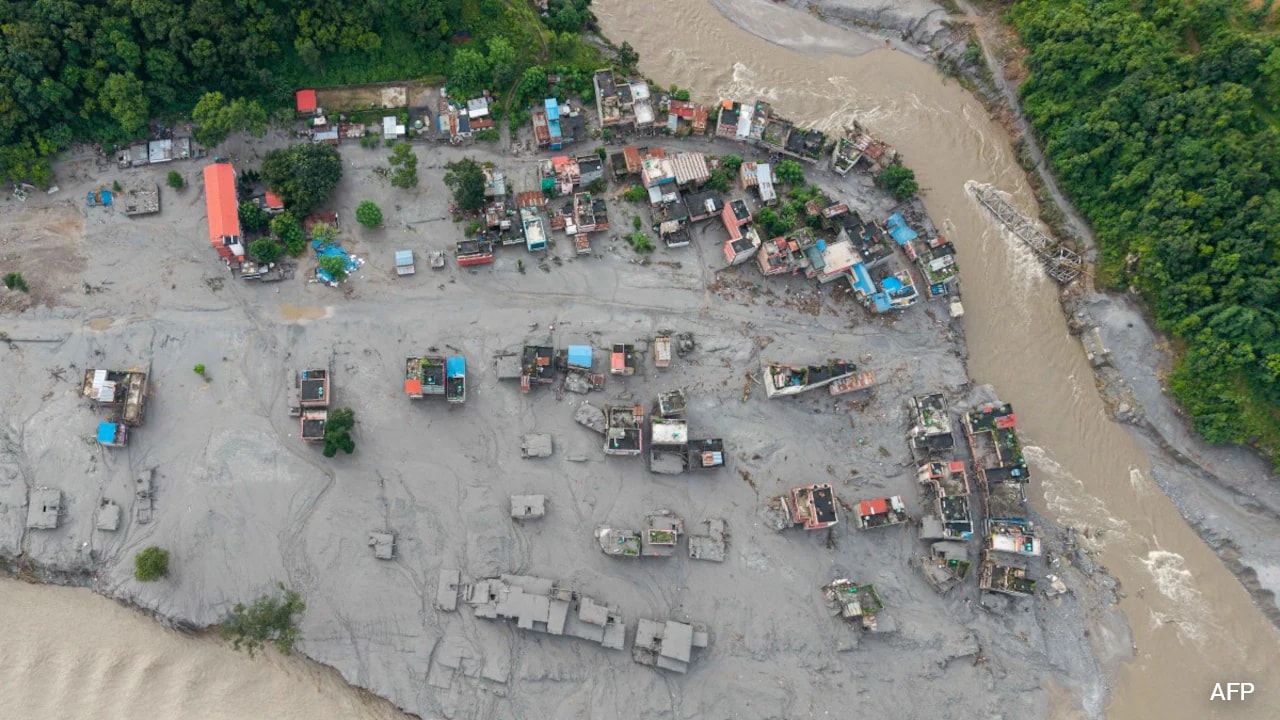
Rapid glacial melting in the Himalayas has created 47 high-risk glacial lakes, acting as 'water bombs' that threaten to devastate downstream regions at any moment.
- Glacial lakes in the Himalayan region have increased fivefold in 30 years.
- 47 additional lakes identified as potential 'water bombs' similar to Bhote Koshi.
- Rising temperatures in Jammu & Kashmir and Himachal Pradesh are accelerating the risk.
The Himalayan landscape is undergoing a terrifying transformation due to unprecedented climate change. Following the recent devastation linked to the Bhote Koshi region, scientists have warned that there are approximately 47 other glacial lakes acting as 'water bombs' across the mountain range. These lakes, formed by melting glaciers, hold massive volumes of water that could burst without warning, triggering catastrophic floods.
The scale of the crisis is staggering. Data suggests that the number of glacial lakes has increased 500% in the last three decades. In regions like Himachal Pradesh, the surge in lake formation has reached a critical 525%, significantly heightening the risk of Glacial Lake Outburst Floods (GLOFs) that can wipe out entire valleys in minutes.
Why This Matters
BozokMedia analysis shows that this is not merely an environmental shift but a looming humanitarian disaster. The instability of these lakes threatens the water security of millions who depend on rivers like the Satluj and Beas, potentially crippling agriculture and hydroelectric power infrastructure across South Asia.
The rapid recession of Himalayan glaciers is creating a ticking time bomb for the entire subcontinent's water stability.
From the frozen heights of Jammu & Kashmir to the steep valleys of Nepal, the rising thermal gradient is making water-borne disasters more frequent and intense. The lack of advanced early warning systems in these remote high-altitude zones exacerbates the vulnerability of local communities.
Historical Background
Historically, the Himalayas have served as the 'Water Tower of Asia,' regulating the flow of major rivers. However, the era of stability is ending. Recent events, such as the Chamoli disaster, have served as grim reminders of how quickly a single glacial breach can turn into a regional catastrophe.
Frequently Asked Questions
1. What exactly is a 'Water Bomb' in this context?
It refers to a Glacial Lake Outburst Flood (GLOF), where a natural dam of ice or debris fails, releasing a massive surge of water and debris.
2. Which areas are most at risk?
Downstream communities in Nepal, Himachal Pradesh, and parts of Jammu & Kashmir are at extreme risk.