As global temperatures rise, glacier disasters are becoming increasingly frequent and lethal. This report explores the history and future implications of the world's most devastating ice-related catastrophes.
- Glacial melting is a primary driver of global sea-level rise.
- Historical glacier disasters have caused massive loss of life and infrastructure.
- Climate change is accelerating the frequency and intensity of these events.
The rapid melting of glaciers across the globe has transitioned from a long-term environmental concern to an immediate humanitarian crisis. According to reports highlighted by Reuters, glacier-related disasters remain among the most lethal natural catastrophes on Earth. These events do not merely cause localized destruction but have the potential to reshape entire regional ecosystems and economies.
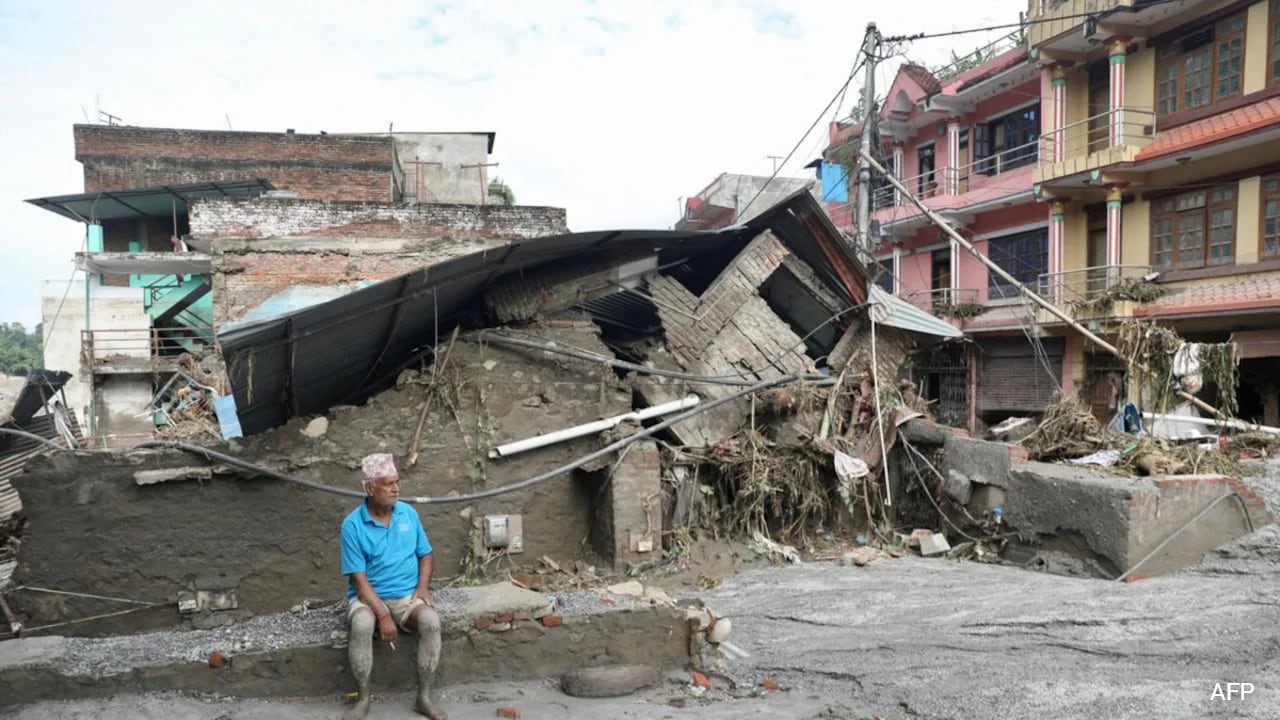
Glacial disasters typically manifest in two catastrophic forms: massive avalanches and Glacial Lake Outburst Floods (GLOFs). When unstable ice structures collapse or when meltwater trapped behind natural dams breaches, it sends a wall of debris and water downstream. These surges can wipe out entire villages and infrastructure in minutes, as seen in various high-altitude regions globally.
Why This Matters
BozokMedia analysis shows that the degradation of glaciers poses a systemic risk to global water security. Billions of people rely on seasonal glacial melt for drinking water, sanitation, and large-scale agriculture. The destabilization of these frozen reservoirs threatens to trigger unprecedented water scarcity and mass human displacement in the coming decades.
The melting of glaciers is a ticking time bomb for humanity, slowly but surely accelerating toward a global crisis.
Historical Background: Since the late 20th century, scientists have observed an unprecedented rate of glacial retreat. From the Himalayas to the Andes and the Alps, the mass balance of glaciers has turned significantly negative. This phenomenon is inextricably linked to the rise in greenhouse gas concentrations and the resulting increase in mean global temperatures.
Addressing this crisis requires more than just local mitigation; it demands a global overhaul of carbon policies and significant investment in advanced Early Warning Systems (EWS). Without proactive intervention, the economic and social costs of glacial disasters will transcend mountain borders, affecting global supply chains and coastal stability.
Frequently Asked Questions
Question 1: What makes glacier disasters so deadly?
Answer: Their sudden onset and the immense volume of water, ice, and sediment involved leave very little time for evacuation.
Question 2: Is there a way to predict these events?
Answer: While satellite monitoring helps, predicting the exact moment of a glacial lake breach remains a significant scientific challenge.