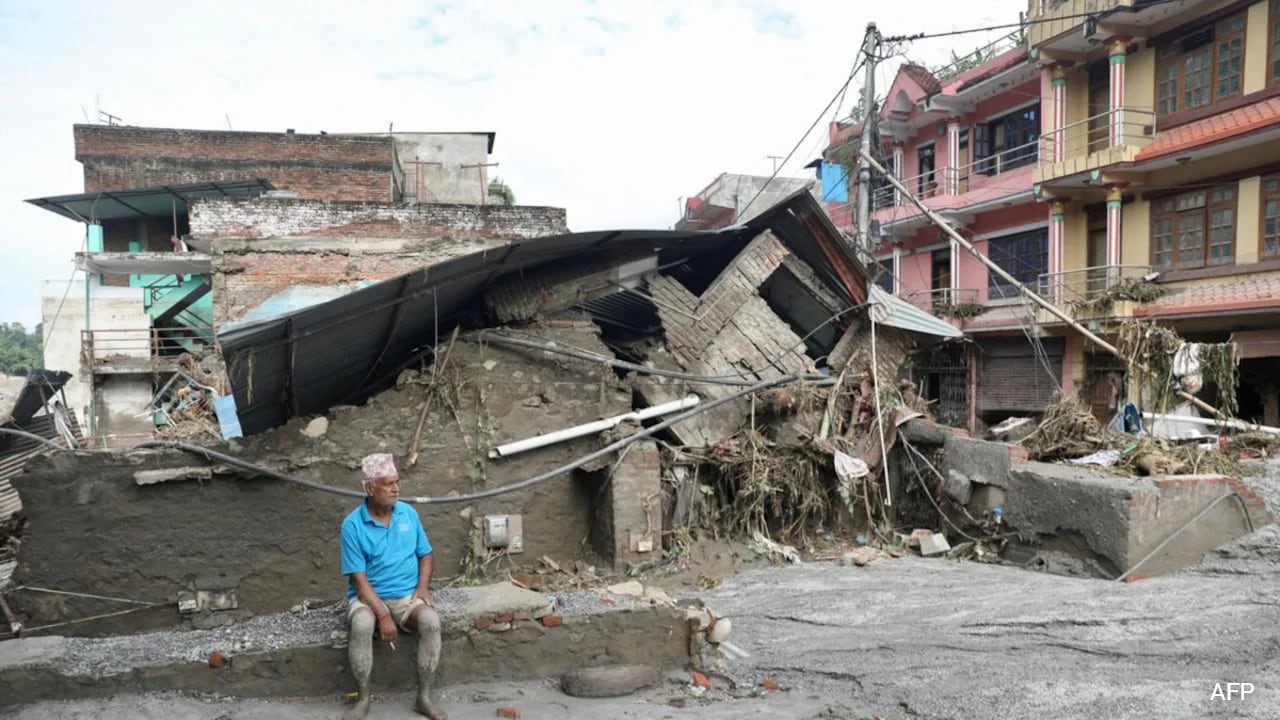
Increasing instances of floods, landslides, and avalanches are being reported across the Hindu Kush range. Scientists suggest a massive ice-rock avalanche in Nepal may have triggered recent catastrophes.
The increasing frequency of natural disasters in the Himalayan region has sounded an alarm for the global scientific community. Experts assert that climate change is significantly boosting the risk of devastating floods, landslides, and avalanches across the Hindu Kush mountain range. These environmental shifts are no longer gradual; they are becoming sudden and catastrophic.
While the precise mechanics of Wednesday's recent disaster are still under rigorous analysis, scientists have pointed toward a specific geological event. Preliminary findings suggest the catastrophe likely originated from a massive ice-rock avalanche on the northern slopes of Nepal's Langtang Lirung peak. This massive displacement of ice and rock cascaded into the Lhende Khola river on the Tibetan side, creating a surge of water and debris that caused widespread destruction.
Why This Matters
BozokMedia analysis shows that the instability of the Himalayan glaciers poses a direct threat to the water security of billions of people downstream. As the 'Water Tower of Asia,' any significant change in the glacial melt patterns in Nepal and Tibet will have cascading effects on agriculture, hydropower, and human settlements across South and Southeast Asia.
The acceleration of glacial melt is transforming the Himalayas from a stable water source into a zone of unpredictable hydrological volatility.
The geological complexity of the region, combined with rising global temperatures, has created a 'perfect storm' for natural calamities. The suddenness of these events leaves local communities with minimal time for evacuation, often leading to tragic loss of life and infrastructure.
Historical Background
Historically, the Hindu Kush-Himalayan region has been prone to seismic and weather-related events. However, the modern era of anthropogenic climate change has introduced a new variable: rapid thermal expansion and glacial retreat. This has led to an increase in Glacial Lake Outburst Floods (GLOFs), which are becoming more frequent and more violent.
Frequently Asked Questions
Question 1: What triggered the recent disaster in Nepal?
Answer: Scientists suspect a massive ice-rock avalanche from the Langtang Lirung peak into the Lhende Khola river was the primary trigger.
Question 2: How is climate change affecting the Hindu Kush range?
Answer: It is increasing the frequency of extreme events such as floods, droughts, landslides, and sudden avalanches.


