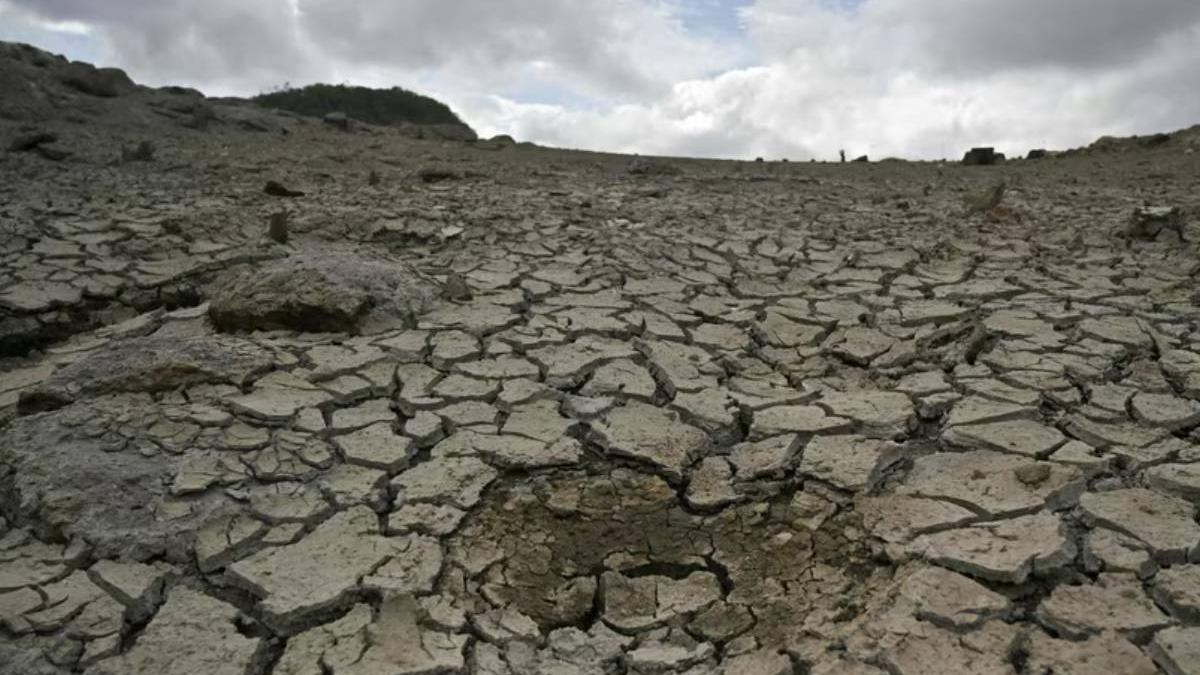
New reports suggest that human waste, specifically urine, is acting as a catalyst in the rapid melting of Mount Everest's glaciers near base camps. Scientists warn of a growing ecological disaster.
- Mount Everest's glaciers are melting at an alarming rate due to multiple factors.
- Human urine at base camps is accelerating the melting process by altering ice properties.
- Rising tourism and inadequate waste management are critical contributors to this crisis.
Mount Everest, the roof of the world, is facing a devastating environmental crisis. While global warming is the primary driver of melting ice, a disturbing new revelation suggests that human biological waste—specifically human urine—is playing a significant role in accelerating the degradation of Everest's glaciers.
As thousands of climbers and trekkers descend upon the mountain each year, the concentration of waste near the Everest Base Camp has reached critical levels. Scientists have observed that the chemical composition of urine, particularly its nitrogen content, alters the albedo (reflectivity) of the snow. This causes the ice to absorb more solar radiation, leading to faster melting rates.
Why This Matters
BozokMedia analysis shows that this is not merely a local sanitation issue but a massive ecological threat. The melting of Himalayan glaciers poses a direct threat to the water security of millions of people living downstream in Asia, potentially leading to catastrophic floods and long-term droughts.
The melting of glaciers is no longer just a symptom of atmospheric warming, but a direct consequence of human footprint on the most remote parts of our planet.
Historically, the Himalayas have been viewed as a pristine wilderness. However, the transition from a niche mountaineering destination to a mass-tourism hub has outpaced the development of necessary infrastructure. The lack of specialized waste disposal systems for high-altitude environments means that biological waste is often left to seep into the ice.
To mitigate this, international mountaineering bodies are calling for stricter protocols, including mandatory 'pack-it-in, pack-it-out' policies for all forms of human waste to preserve the sanctity and stability of the mountain's ice caps.
Frequently Asked Questions
Question 1: Is human urine the only reason glaciers are melting?
Answer: No, climate change and rising global temperatures are the primary causes, but human waste acts as a significant local catalyst.
Question 2: What can be done to stop this?
Answer: Implementing stricter waste management regulations and improving high-altitude sanitation technology for climbers.