The United Nations has issued a critical warning as the El Niño phenomenon intensifies to unprecedented levels, threatening to shatter global temperature records. Experts warn of severe droughts, catastrophic floods, and a looming food crisis affecting over 50 million people worldwide.
- The UN's World Meteorological Organization (WMO) warns of the strongest El Niño phenomenon detected in the last 1,000 years.
- This extreme climate event threatens to severely disrupt India's monsoon, trigger historic droughts in Australia, and cause catastrophic flooding in South America.
- The World Food Programme (WFP) projects that over 50 million people could face acute hunger due to El Niño-induced agricultural disruptions.
The United Nations (UN) has sounded a critical alarm as the El Niño climate phenomenon strengthens at an unprecedented pace, threatening to destabilize the global climate system. According to the World Meteorological Organization (WMO), current Pacific Ocean temperatures point to the most intense El Niño event detected in the last millennium, which is expected to peak by the end of this year and persist until February next year.
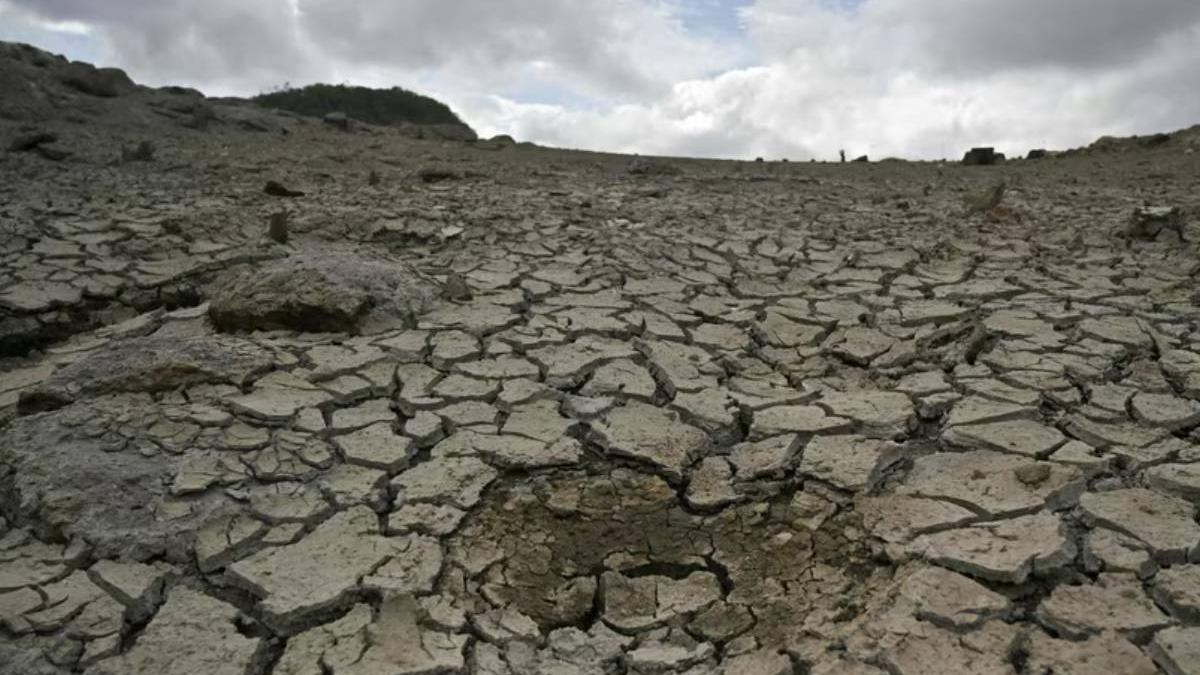
UN Secretary-General António Guterres declared that there is no longer any room for scientific doubt, warning that the Earth has officially entered a dangerous climate zone. The rapid warming of the Pacific is expected to exacerbate extreme weather events globally, including severe wildfires in Indonesia, a drastic reduction in India's crucial monsoon rains, historic droughts in Australia, and devastating floods across South America.
Why This Matters
BozokMedia analysis shows that the compounding effects of this super El Niño on global agriculture could trigger severe supply chain shocks. With major grain and rice-producing nations facing extreme weather, global food inflation is projected to reach historic highs, disproportionately impacting developing economies and vulnerable populations.
"We are entering uncharted meteorological territory where traditional climate models may fail to predict the sheer scale of cascading environmental and humanitarian disasters."
Historical Background and Regional Impact
El Niño is a naturally occurring climate pattern associated with the warming of sea surface temperatures in the central and eastern tropical Pacific Ocean. However, scientists emphasize that human-induced greenhouse gas emissions are now amplifying these natural cycles to extreme, unprecedented levels. Historically, strong El Niño events have always been accompanied by global temperature spikes, but the 1,000-year peak predicted for this cycle threatens to push global warming past critical thresholds.
The humanitarian consequences are already drawing urgent attention. The World Food Programme (WFP) had previously warned that climate disruptions driven by El Niño could push nearly 50 million people into acute hunger. Disaster management agencies, agricultural sectors, and governments worldwide are being urged to implement immediate contingency plans to mitigate crop failures and water scarcity.
| Feature | El Niño | La Niña |
|---|---|---|
| Ocean Temperatures | Unusually Warm | Unusually Cool |
| Impact on Indian Monsoon | Weakened rains, drought risk | Enhanced rains, flood risk |
| Global Temperature Effect | Temporary warming spike | Temporary cooling effect |
Frequently Asked Questions
Q1: How does El Niño affect global weather patterns?
Answer: El Niño alters the path of jet streams, shifting warm water and weather systems across the globe. This typically leads to drier conditions in Asia and Australia, and wetter, flood-prone conditions in the Americas.
Q2: What immediate actions are experts recommending to combat this?
Answer: Experts recommend that governments invest in drought-resistant crop varieties, optimize water reservoir management, and strengthen social safety nets for farmers to prevent widespread economic collapse.

