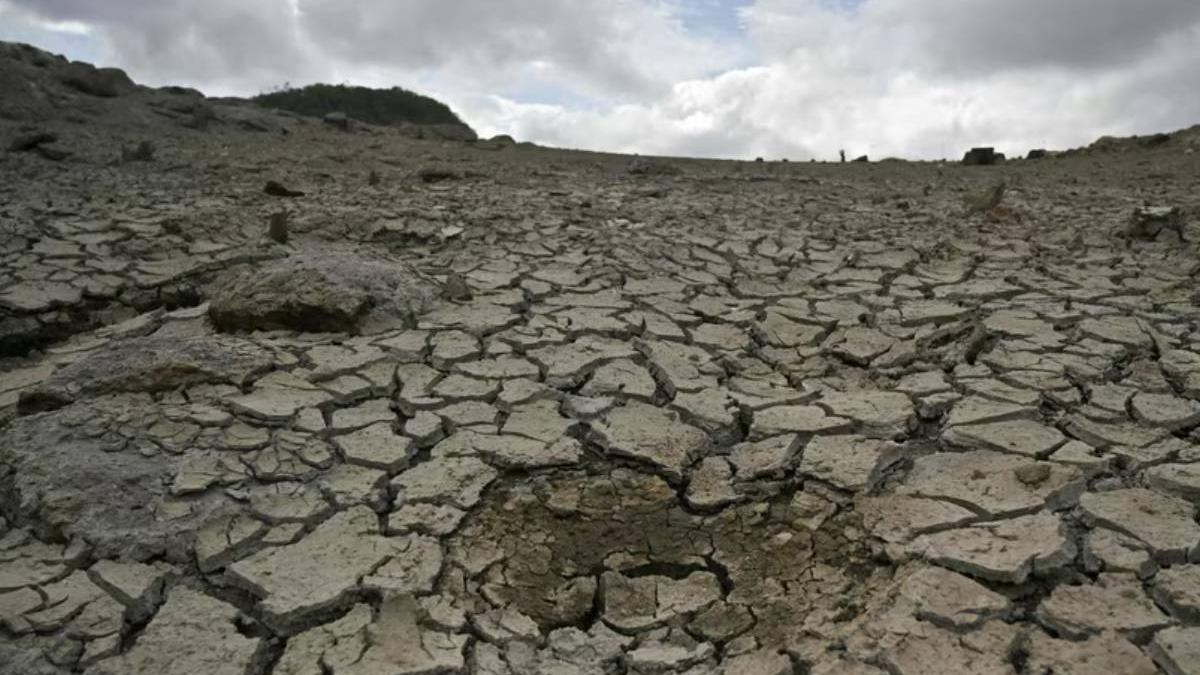
Meteorologists warn that a powerful El Niño event is unavoidable, with historical patterns suggesting that 2027 could see its most extreme and devastating effects globally.
- A powerful El Niño phenomenon is now considered inevitable by climate experts.
- Historical data suggests the most intense impacts will peak around 2027.
- International bodies like the UN are urging immediate global preparedness.
Climate scientists and international meteorological agencies have issued a stark warning: a 'supersized' El Niño event is on the horizon. Emerging research indicates that while the warming of the Pacific Ocean is already underway, the most profound and destructive consequences are projected to hit the global climate system with maximum intensity in 2027.
El Niño, characterized by the unusual warming of surface waters in the eastern tropical Pacific Ocean, disrupts global weather patterns. This disruption leads to a domino effect of extreme weather, including severe droughts in some regions and catastrophic flooding in others. The current trajectory suggests this upcoming cycle may be one of the strongest recorded in recent decades.
Why This Matters
BozokMedia analysis shows that the implications of a 2027 El Niño peak extend far beyond meteorology. It poses a direct threat to global food security, energy stability, and economic continuity. As temperatures rise, the agricultural sectors in vulnerable nations face unprecedented risks of crop failure, which could trigger mass migrations and geopolitical instability.
The rapid intensification of El Niño signals a fundamental shift in our ocean-atmosphere dynamics that requires immediate global mitigation strategies.
The United Nations (UN) and the World Meteorological Organization (WMO) have emphasized that countries must accelerate their climate adaptation strategies. The 'supersized' nature of this event means that traditional disaster management protocols may no longer be sufficient to handle the scale of predicted extreme weather.
Historical Background
Looking back at significant El Niño events, such as those in 1997-98 and 2015-16, the correlation between ocean warming and global economic disruption is clear. These historical precedents serve as a grim roadmap for what the world might face in 2027 if carbon emissions and ocean temperatures continue their current ascent.
Frequently Asked Questions
Question 1: How does El Niño affect global weather?
Answer: It shifts rainfall patterns, causing heavy rains in some areas (like parts of South America) and severe droughts in others (like Australia and parts of Southeast Asia).
Question 2: Why is 2027 being highlighted as a critical year?
Answer: Based on historical cycles and current oceanic heat content, 2027 is projected to be the year when the cumulative effects of this warming cycle reach their zenith.