Renowned environmentalist Sunita Narain has issued a grim warning regarding the ecological death of the Yamuna River and the accelerating melting of Himalayan glaciers due to black carbon deposition.
- The Yamuna River has reached a state of ecological collapse.
- Black carbon on Himalayan glaciers is accelerating melting by absorbing solar heat.
- Recent disasters in Nepal serve as a warning for the entire Himalayan region, including India.
Prominent environmentalist Sunita Narain has delivered a scathing critique of the current state of the Yamuna River, stating that the river is effectively dead and is merely awaiting its final rites. This powerful metaphor underscores the total collapse of the river's biological and ecological functions.
The degradation of the Yamuna is a direct consequence of unchecked industrial discharge, untreated sewage, and rapid urban encroachment. Narain's assessment suggests that the river has transitioned from a life-sustaining artery to a toxic drainage system.
The Black Carbon Threat to the Himalayas
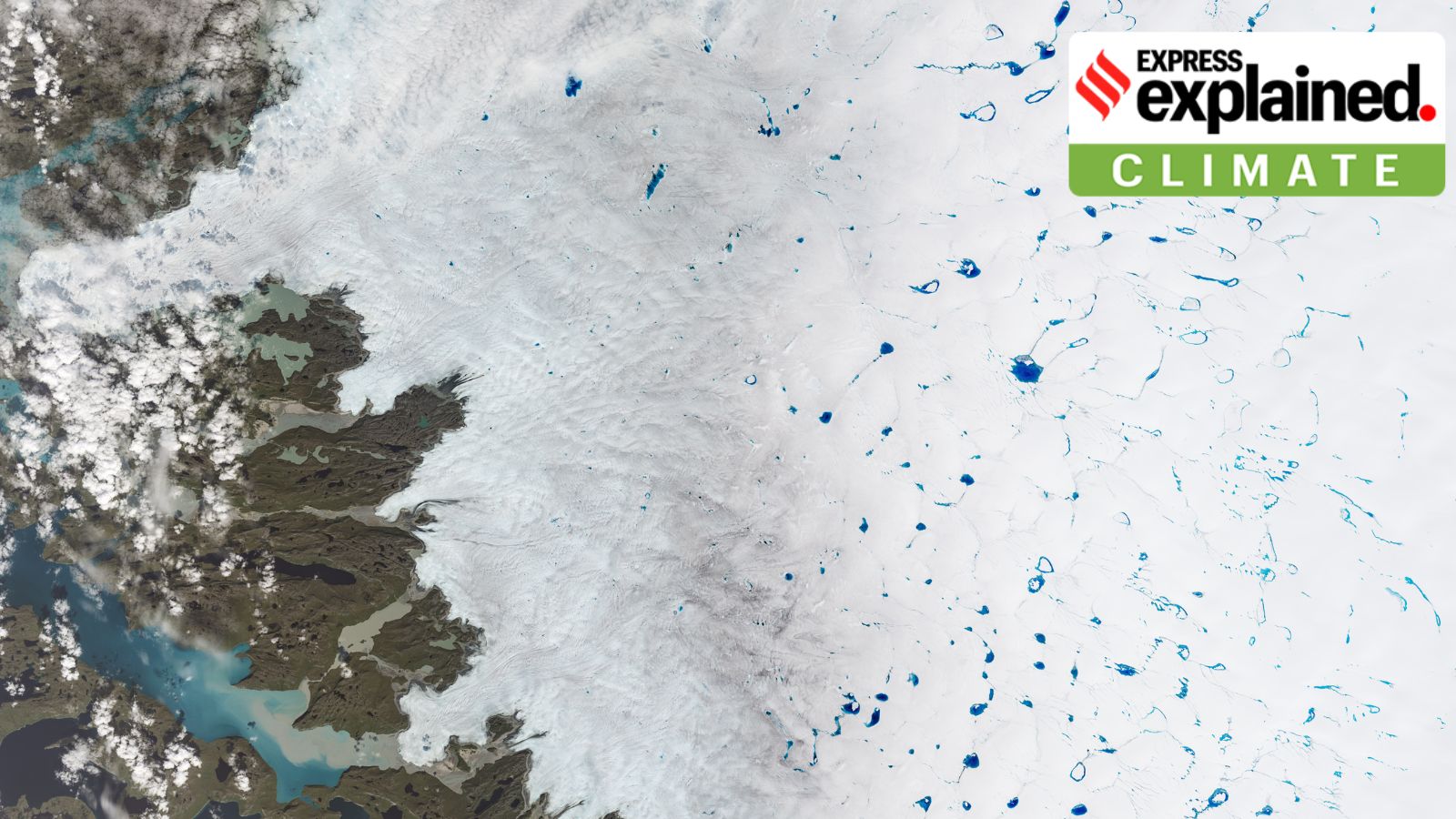
Beyond the plains, Narain highlighted a critical threat to the Himalayan glaciers. It is not just rising global temperatures causing concern; the accumulation of 'Black Carbon' on the ice surfaces is creating a deadly feedback loop. This soot absorbs solar radiation rather than reflecting it, significantly speeding up the melting process.
The layer of soot on our glaciers acts as an invisible catalyst for environmental catastrophe.
BozokMedia analysis shows that the recent catastrophic flooding in Nepal is a clear indicator of the instability within the Himalayan ecosystem. This instability poses a direct threat to India’s water security, as the perennial nature of northern rivers depends entirely on the steady melting of these glaciers.
Historical Context and Scientific Warnings
Historically, the Himalayan river systems have been the most stable water sources in Asia. However, the synergy between climate change and local pollution has destabilized this balance. Scientific bodies, including the Wadia Institute, have expressed concerns over the rising risk of Glacial Lake Outburst Floods (GLOFs), which can devastate downstream communities in an instant.
Frequently Asked Questions
1. What does it mean when an expert says a river is 'dead'?
It means the river can no longer support aquatic life, clean itself through natural processes, or provide safe water for human use.
2. How does black carbon affect glaciers?
It reduces the 'albedo effect' (reflectivity) of the ice, causing the glacier to absorb more heat and melt faster.