A landmark UNEP report reveals that breaching the 1.5°C warming target is now inevitable, with temperatures likely peaking at 1.8°C even under optimistic scenarios.
- Crossing the 1.5°C warming threshold is now deemed unavoidable by UNEP.
- Global temperatures are projected to peak at approximately 1.8°C even in the best-case scenario.
- The strategy must shift from staying below 1.5°C to managing the overshoot from above.
- Irreversible damages to ice sheets and rainforests remain a critical risk.
A sobering new report from the United Nations Environment Programme (UNEP) titled 'Limiting Overshoot' has sent shockwaves through the global scientific community. The findings suggest that the world will inevitably breach the critical 1.5°C warming threshold established by the Paris Agreement within the next few years.
The Reality of the 'Overshoot'
The term 'overshoot' refers to a period where global average temperatures temporarily exceed the 1.5°C limit. According to the report, even if nations fully implement their current net-zero pledges and climate action plans, temperatures are expected to peak at around 1.8°C above pre-industrial levels. This marks a significant departure from previous optimistic projections where the 1.5°C goal was considered 'within reach.'
Why This Matters
The distinction between 1.5°C and 2°C is not merely academic; it represents the difference between manageable climate shifts and catastrophic ecosystem collapses. BozokMedia analysis shows that every fraction of a degree increases the frequency of extreme weather events, droughts, and water scarcity. The breach of this threshold threatens to trigger feedback loops that could accelerate warming beyond human control.
Decisions, science, and mindsets need to shift to seeing 1.5°C as a goal we’ll be approaching from above rather than below.
Irreversible Ecological Tipping Points
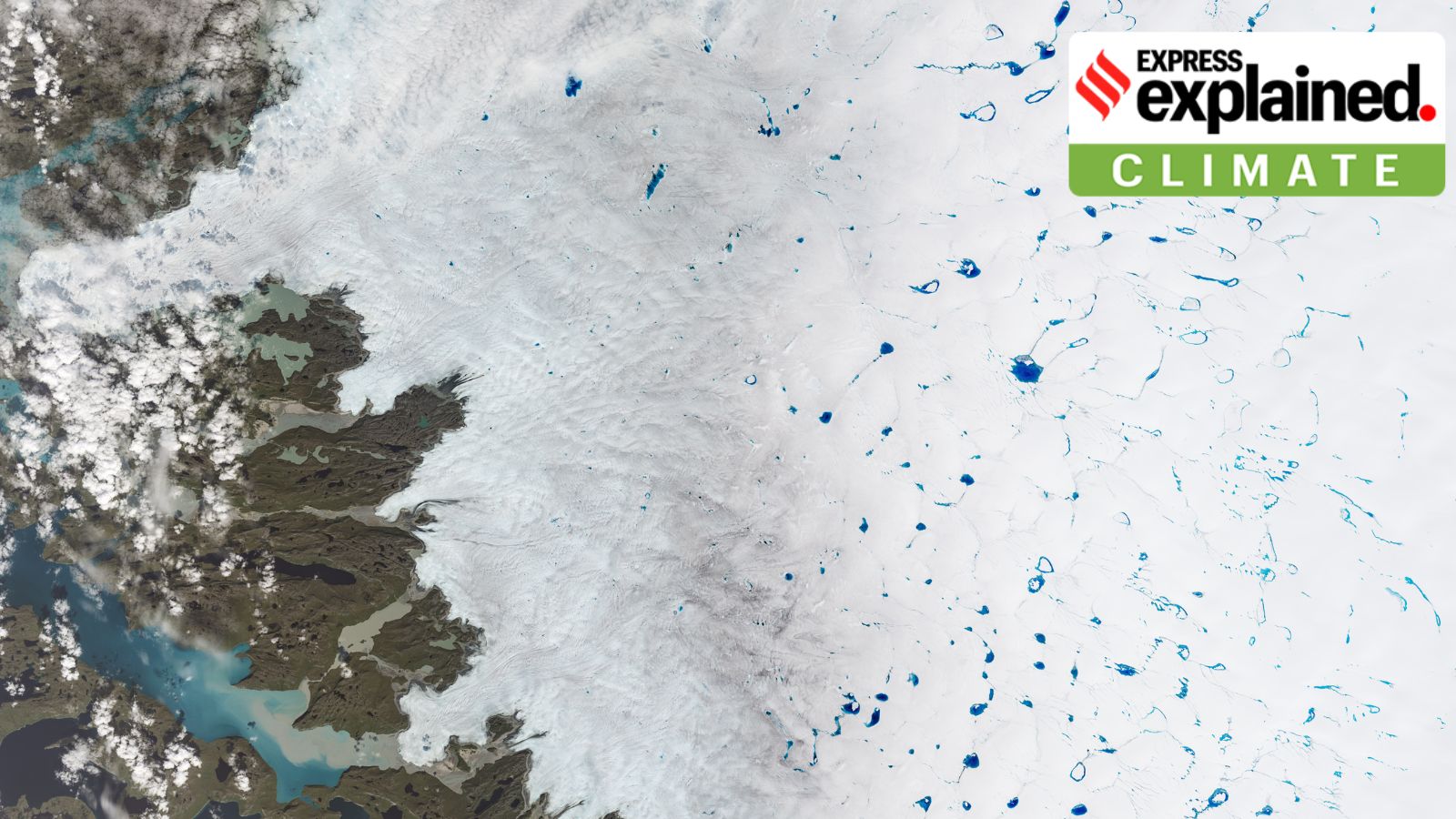
One of the most alarming aspects of the UNEP report is the warning regarding irreversible damage. Even if humanity successfully brings temperatures back down in the future, certain environmental changes may be permanent. These include the collapse of the Greenland and West Antarctic ice sheets, the dieback of the Amazon rainforest, and disruptions to major ocean currents like the Atlantic Meridional Overturning Circulation.
A New Paradigm for Climate Action
The report suggests that the global climate strategy must undergo a fundamental paradigm shift. Instead of attempting to keep temperature growth strictly below 1.5°C, policymakers must now focus on minimizing the peak and the duration of the overshoot. This will necessitate a massive scale-up in carbon dioxide removal (CDR) technologies to supplement traditional emissions reductions.
| Feature | 1.5°C Target Scenario | 1.8°C Projected Scenario |
|---|---|---|
| Climate Risk | Manageable/Lower | Significant/High |
| Ecosystem Stability | Relatively Stable | Risk of Tipping Points |
| Policy Focus | Emissions Reduction | Reduction + Carbon Removal |
Frequently Asked Questions
1. Does exceeding 1.5°C mean the Paris Agreement has failed?
Not necessarily. The agreement focuses on long-term temperature averages. An overshoot is a temporary breach, but it signals that the path to the long-term goal has become much more difficult.
2. Can technology help us reverse the warming?
While carbon removal technologies are essential, the report suggests they may only be able to reverse a few tenths of a degree this century, making prevention much more critical than cure.