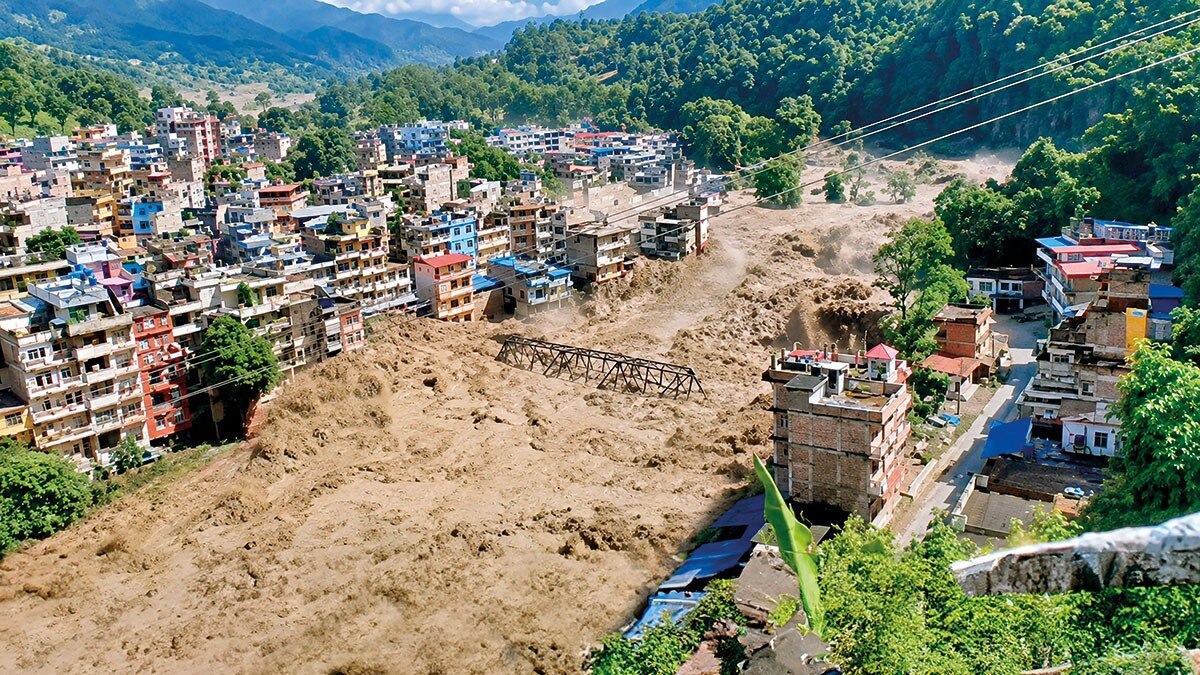
Land subsidence triggered by heavy rainfall near Farakka, West Bengal, has severely disrupted rail services to North Bengal, leading to the cancellation of numerous vital trains. The State Government has rapidly deployed additional buses and initiated relief measures for stranded passengers as restoration work is underway.
- Heavy rainfall caused significant land subsidence near Farakka, West Bengal, impacting railway tracks, electrical lines, and signalling systems.
- Numerous key trains connecting North Bengal, including the Vande Bharat Express and Darjeeling Mail, have been cancelled, disrupting thousands of commuters and tourists.
- The West Bengal government has deployed extra buses and arranged for food, water, and accommodation for stranded passengers, while railway teams work round the clock on repairs.
Kolkata, West Bengal – Rail connectivity to North Bengal and beyond has been severely crippled following significant land subsidence near Farakka in West Bengal's Murshidabad district. The incident, attributed to incessant heavy rainfall, has not only damaged railway tracks but also disrupted overhead electrical lines and crucial signalling systems, leading to widespread train cancellations and diversions.
The first signs of subsidence were reported on September 3, 2026, with a more substantial incident occurring the following day, September 4, prompting immediate and extensive repair operations. Divisional Railway Manager Rajeev Saxena confirmed that teams are working tirelessly to restore the affected lines. "Due to heavy flooding, the land below the tracks subsided, which led to the trains being stopped. Teams are working round the clock to restore the lines," Mr. Saxena stated on Friday.
The disruption has led to the cancellation of several high-capacity trains crucial for both local commuters and tourists heading to North Bengal's popular destinations. Among the cancelled services are the Uttarbanga Express, Kanchankanya Express, Darjeeling Mail, Padatik Express, Balurghat Express, New Jalpaiguri Vande Bharat Express, New Alipurduar Teesta Torsa Express, and the Sealdah Agartala Express. Many of these trains, which typically run at full capacity, are expected to remain cancelled until at least September 5, 2026, placing immense pressure on alternative transport networks.
Responding swiftly to the crisis, West Bengal Chief Minister Suvendu Adhikari convened an emergency meeting to assess the situation and coordinate relief efforts. The Chief Minister announced that food and drinking water are being provided to passengers stranded on trains in the Malda and Murshidabad districts. Furthermore, District Magistrates have been instructed to arrange accommodation for passengers if the situation does not normalize by Friday night. The railways are also facilitating refunds for cancelled tickets and advising passengers to check train statuses before travelling.
Why This Matters
BozokMedia analysis shows that the Farakka track subsidence highlights critical vulnerabilities in India's railway infrastructure, particularly in regions prone to heavy rainfall and geological instability. The disruption of a major rail artery not only impacts daily commuters and the vital tourism sector of North Bengal but also has broader economic implications, affecting the movement of goods and people across state lines. This incident underscores the urgent need for climate-resilient infrastructure development and proactive disaster management strategies to mitigate the impact of extreme weather events.
"This incident serves as a stark reminder of the increasing challenges posed by climate change on critical infrastructure. Investing in resilient design and predictive maintenance is no longer an option but a necessity to ensure uninterrupted connectivity and public safety," commented Dr. Alok Sharma, a leading expert in infrastructure engineering.
The state's transport department, under Minister Arjun Singh, has taken immediate steps to alleviate the commuter burden. An additional 23 buses were deployed on the Kolkata-Siliguri route on Friday, supplementing the six added on Thursday, while the Siliguri-Kolkata route received 18 extra buses on Friday. Authorities have also directed District Magistrates to coordinate with private bus operators to prevent any unreasonable surge in fares, a common concern during such disruptions.
The prolonged cancellation of trains connecting New Jalpaiguri, a gateway to destinations like Darjeeling and Sikkim, has created significant distress for thousands of travellers. While the state government's efforts to provide alternative transport and relief are commendable, the incident underscores the broader challenge of maintaining robust infrastructure in the face of increasingly unpredictable weather patterns and the critical need for long-term solutions to safeguard essential services.
Frequently Asked Questions
- What caused the Farakka track subsidence? The land subsidence was primarily caused by heavy and incessant rainfall, which led to the ground beneath the railway tracks losing its stability.
- What measures are being taken to help stranded passengers? The West Bengal government has deployed additional buses, provided food and drinking water, and instructed district administrations to arrange accommodation for passengers if the situation is not resolved promptly.