Rapidly melting Himalayan glaciers are pushing the region toward a critical tipping point, threatening the food, water, and economic security of millions in India and Nepal.
- Himalayan glaciers are melting at an unprecedented and alarming rate.
- Flash floods and unpredictable river patterns pose a direct threat to downstream nations.
- The economic stability of India and Nepal is increasingly vulnerable to this climate crisis.
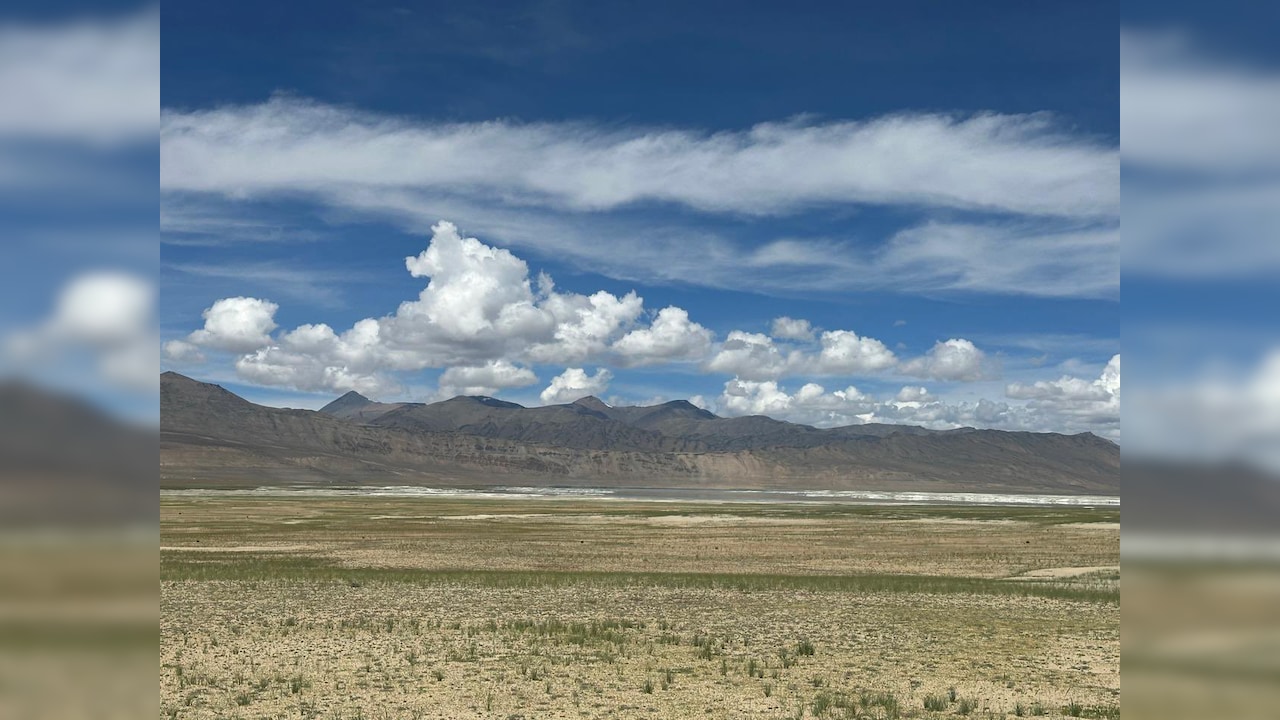
The Himalayas, often referred to as the 'Third Pole,' are rapidly approaching a catastrophic tipping point. Recent reports from global news outlets and scientific bodies indicate that the accelerated melting of glaciers is no longer a distant threat but a present-day reality that is reshaping the geography and economy of South Asia.
The recent devastating flash floods in Nepal serve as a grim warning. Experts suggest that these disasters are not merely isolated natural events but are deeply linked to the warming climate and the fragile state of the Himalayan ecosystem. The scale of destruction highlights the urgent need for a multi-hazard assessment of the entire mountain range.
Why This Matters
BozokMedia analysis shows that the implications extend far beyond environmental degradation. The stability of the Indian economy is intrinsically tied to the Himalayan water cycle. Any significant disruption in the flow of major rivers like the Ganges and Brahmaputra could trigger massive agricultural failures and energy shortages.
The melting of the Himalayas is not just a loss of ice; it is a fundamental threat to the survival of billions in South Asia.
International bodies, including the United Nations, are attempting to intervene through 'Loss and Damage' funds to support nations like Nepal. However, the pace of environmental decay is currently outpacing the global community's ability to provide adequate relief and adaptation strategies.
Historical Background
For millennia, the Himalayas have acted as a climate regulator for the Indian subcontinent, governing the monsoon patterns that sustain much of the world's population. The rapid rise in global temperatures due to anthropogenic factors has disrupted this ancient equilibrium, leading to the current crisis of receding glaciers and erratic precipitation.
Frequently Asked Questions
Question 1: How will the melting Himalayas affect India?
Answer: It will lead to increased frequency of flash floods followed by severe water scarcity, directly impacting agriculture and the economy.
Question 2: What is the 'Loss and Damage' fund?
Answer: It is a global mechanism intended to provide financial assistance to vulnerable nations suffering from the unavoidable impacts of climate change.