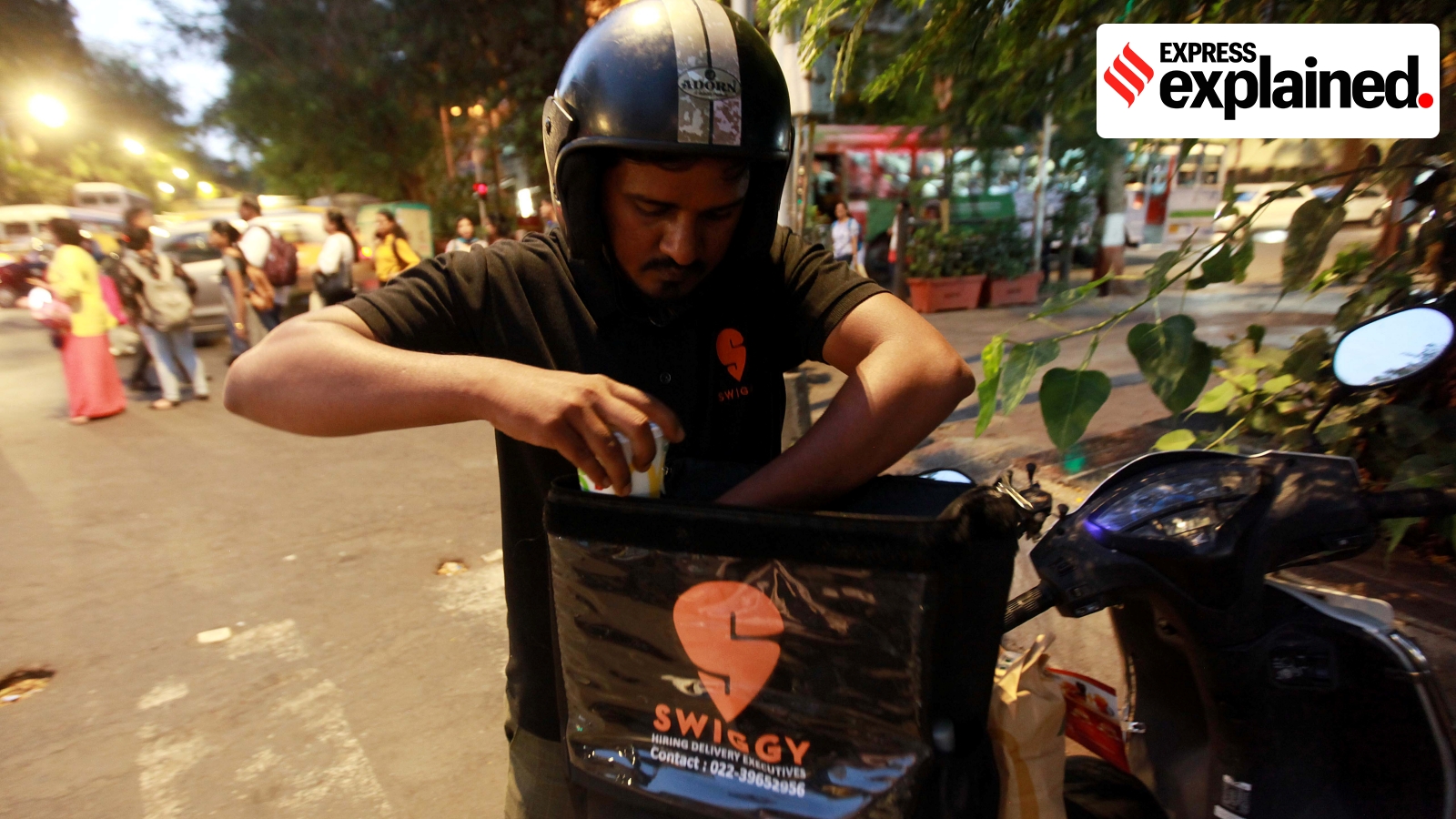
The Karnataka food safety department has ordered the suspension of food licences for major e-commerce players including Amazon and BigBasket following the discovery of toxic Datura products on their platforms.
- Karnataka authorities have directed the suspension of food licences for Amazon, Swiggy Instamart, and BigBasket.
- The action follows the listing of toxic Datura fruits and seeds for human consumption.
- Under FSSAI, e-commerce platforms are classified as Food Business Operators (FBOs).
- The suspension requires platforms to remove all toxic listings immediately.
In a significant regulatory crackdown, the Karnataka State Food and Drug Administration (KSFDA) has directed authorities to suspend the food licences of major e-commerce and quick-commerce giants, including Amazon, Swiggy Instamart, and BigBasket. This decisive move comes after toxic Datura fruits and seeds were discovered being offered for human consumption on these digital platforms.
Datura is a plant known for its highly toxic properties; consumption can lead to severe adverse health effects and even fatalities. Consequently, the state authorities have not only ordered the suspension of licences but have also mandated the immediate removal of all such listings to prevent any potential public health crisis.
Why E-commerce Platforms Require Food Licences
A common misconception is that online-only entities are exempt from traditional food safety regulations. However, under the Food Safety and Standards Act, 2006, any business involved in the sale and distribution of food is classified as a Food Business Operator (FBO). This classification extends to e-commerce and quick-commerce platforms, regardless of whether they maintain physical storefronts.
According to FSSAI rules, while a mere digital directory might be exempt, any platform that facilitates actual orders, transactions, and delivery of food products must obtain a Central Licence from the Central Licensing Authority. This ensures that the entire supply chain, even in the digital realm, adheres to stringent safety protocols.
As the digital marketplace expands, the accountability of e-commerce platforms as food intermediaries becomes a critical pillar of consumer protection.
BozokMedia Analysis: Understanding the Scope of Suspension
BozokMedia analysis shows that the suspension of these licences does not necessarily equate to a permanent ban on all food sales by these companies. The Karnataka order specifically targets the authorities responsible for Central and State licences, and the impact will depend on which specific premises or operational entities are covered by the suspended licences.
Since large e-commerce companies operate through a complex web of multiple licensed premises and regional entities, the operational impact may vary. The platforms have been given the opportunity to submit compliance reports, after which the authorities will decide whether to revoke the suspension. This highlights a regulatory approach that seeks both punishment for negligence and a path toward rectification.
Historical Background: The Rise of FSSAI Oversight
The Food Safety and Standards Authority of India (FSSAI) was established to consolidate various food laws into a single, robust regulatory framework. As consumer behavior shifted from local markets to rapid digital delivery, the FSSAI has consistently updated its FoSCoS (Food Safety Compliance System) to ensure that the 'quick-commerce' boom does not come at the cost of consumer safety.
Frequently Asked Questions
1. Does this mean I cannot order food from Amazon in Karnataka?
Not necessarily. The suspension applies to specific licences. The extent of the disruption depends on whether the suspended licences cover their entire food delivery operation or specific segments.
2. What must these companies do to restore their licences?
They must immediately remove the offending products and submit a detailed compliance report to the Karnataka food safety authorities.