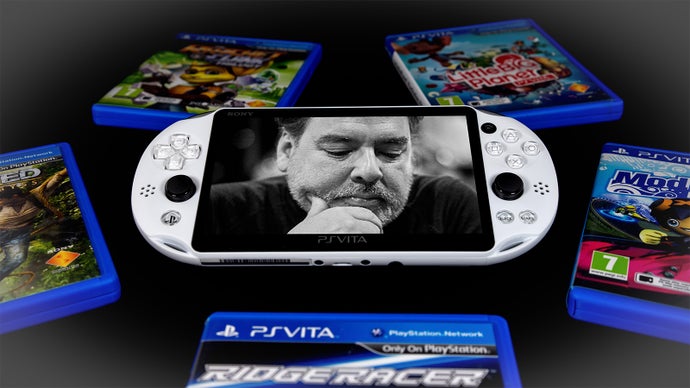
Former PlayStation chief Shawn Layden gave a detailed account of Sony’s handheld misstep, arguing that the Vita’s over‑engineered features drove up costs and hurt sales, while a straightforward PSP2 could have succeeded. His insights highlight the delicate balance between innovation and consumer affordability.
In 2011 Sony introduced the PlayStation Vita, a handheld that promised cutting‑edge technology but struggled to find a mass audience. Former PlayStation boss Shawn Layden recently opened up on why the company’s strategy missed the mark, insisting that a modest PlayStation Portable 2 (PSP2) would have been a far wiser move.
Layden’s Core Argument
According to Layden, the Vita was overloaded with features that added little real value for gamers: a back‑touch panel, an OLED display, and proprietary memory cards. Each of these “whizzbangs” inflated the bill of materials, pushing the retail price higher and alienating price‑sensitive consumers. “When you keep adding premium components, the cost climbs and the consumer walks away,” he said.
The Simpler PSP2 Concept
Layden summed up his vision with a single sentence: “Just take a PSP and put another stick on it.” The original PSP’s single analog stick was a frequent complaint among players, who had grown accustomed to dual‑stick controls from the PlayStation 1 era. By simply adding a second, higher‑quality stick, Sony could have delivered the most requested improvement without overhauling the entire platform.
Financial Impact and Market Reaction
At launch the Vita carried a price tag of £230‑£280 – a steep figure even by today’s standards. The result was modest sales, with most estimates placing lifetime units between 10‑15 million. By contrast, the PSP had sold over 76.4 million units by 2012, underscoring how cost‑inflated features can dramatically shrink a product’s market reach.
Innovation vs. Consumer Tolerance
Layden invoked a theory that resonates across the tech industry: “How much innovation can the end‑user handle?” Adding too many new elements can create diminishing returns, where the added cost outweighs perceived benefit. He likened this to a game development scenario where adding hundreds of cars to a racing title escalates licensing and design expenses without guaranteeing proportional player satisfaction.
Looking Ahead
Most recently Sony announced the closure of the online PlayStation Vita store alongside the PlayStation 3 store, effectively ending digital sales for those platforms. Physical copies still circulate on secondary markets, but the move signals a strategic retreat from handheld ambitions.
Layden’s reflections serve as a reminder that technology must be tempered by market realities. For Sony and other hardware makers, the lesson is clear: innovation should enhance, not eclipse, the core value proposition that consumers are willing to pay for.