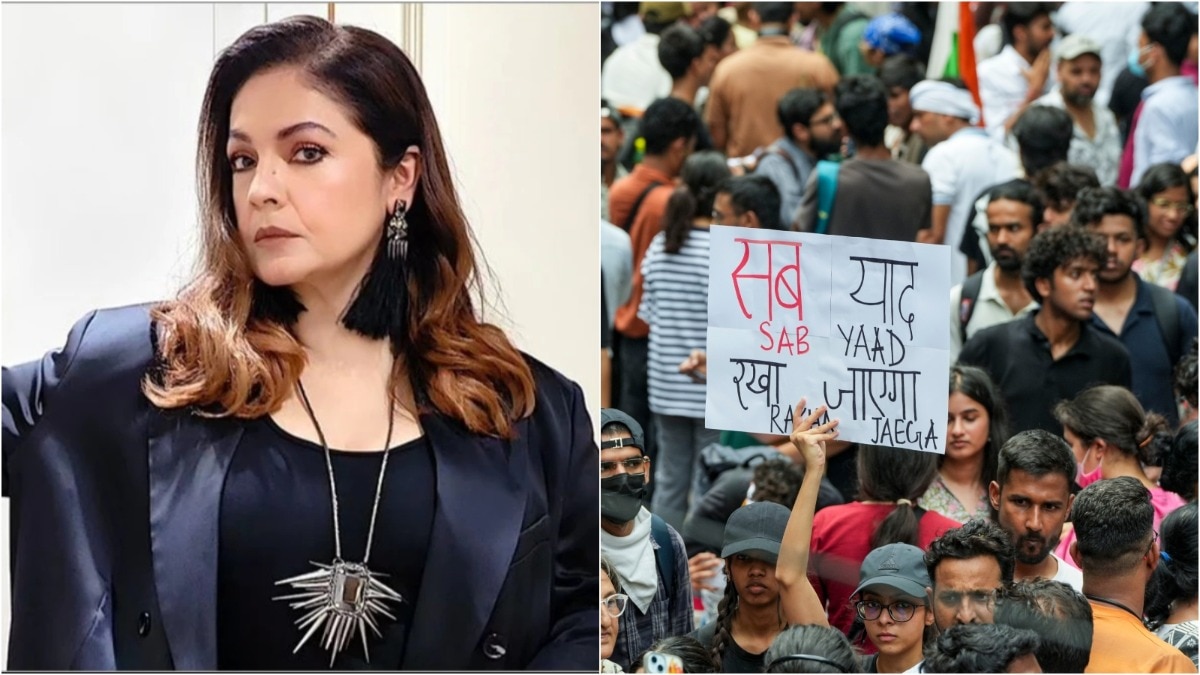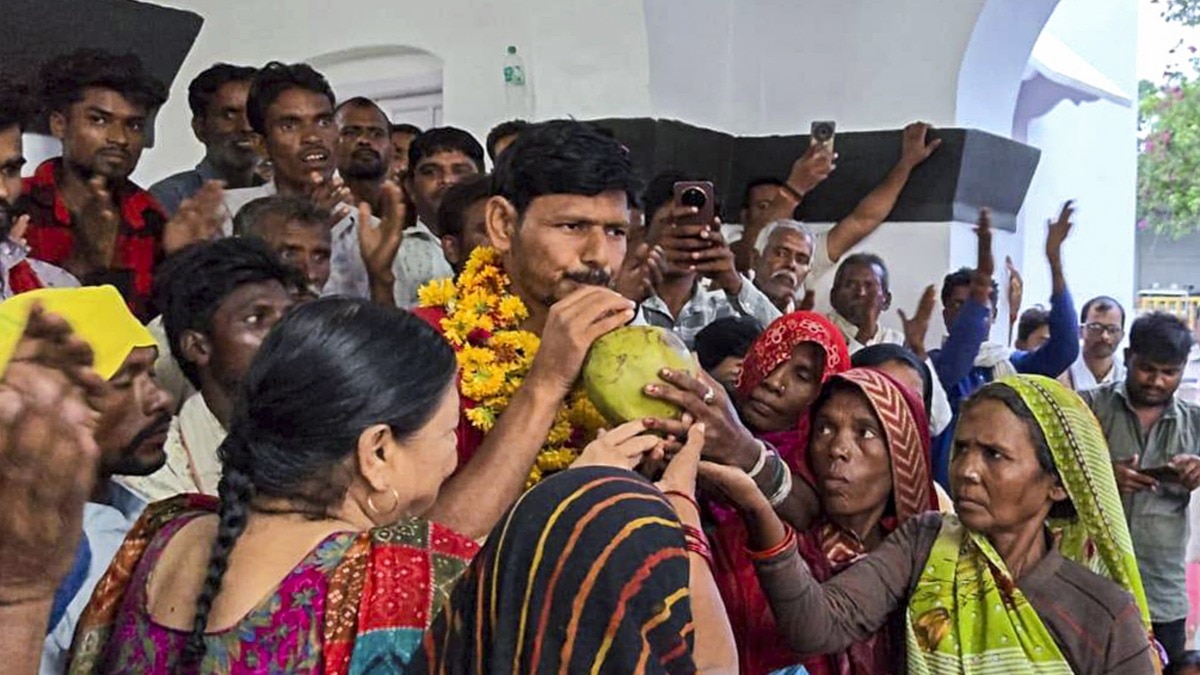
Ken‑Betwa project activist Amit Bhatnagar halted his 18‑day hunger strike after his mother intervened, as the administration promised a fresh verification of displaced families.
Key Takeaways
- Amit Bhatnagar ends 18‑day hunger strike after his mother’s appeal.
- Administration agreed to conduct a fresh verification of displaced families.
- The Ken‑Betwa Link Project aims to irrigate over 1 million hectares.
Historical Background
The Ken‑Betwa River Link Project, approved in 2014 under India’s National Perspective Plan, is the country’s first inter‑river linking scheme. It seeks to irrigate more than 1.06 million hectares, supply drinking water to 6.2 million people, and generate hydropower across drought‑prone Bundelkhand.
Activist Amit Bhatnagar, a resident of Bijawar in Chhatarpur district, began his protest on July 3 beneath a bridge under construction over the Barana River. He demanded a probe into alleged irregularities in rehabilitation and compensation for families displaced by the Ken‑Betwa project and other irrigation schemes.
On July 19, police dispersed the protest citing rising river levels during the monsoon, yet Bhatnagar vowed to continue his indefinite fast. After being hospitalized and later transferred back to his hometown, his mother persuaded him to break the fast on July 24.
Why This Matters
BozokMedia analysis shows that grassroots movements like this can compel authorities to adopt more transparent and accountable rehabilitation processes, safeguarding tribal and project‑affected communities.
"The protest highlighted systemic gaps in rehabilitation policies," says Dr. R. Sharma, senior policy analyst.
Frequently Asked Questions
- What were the main grievances of the protesters?
- What is the next step after the fresh verification?