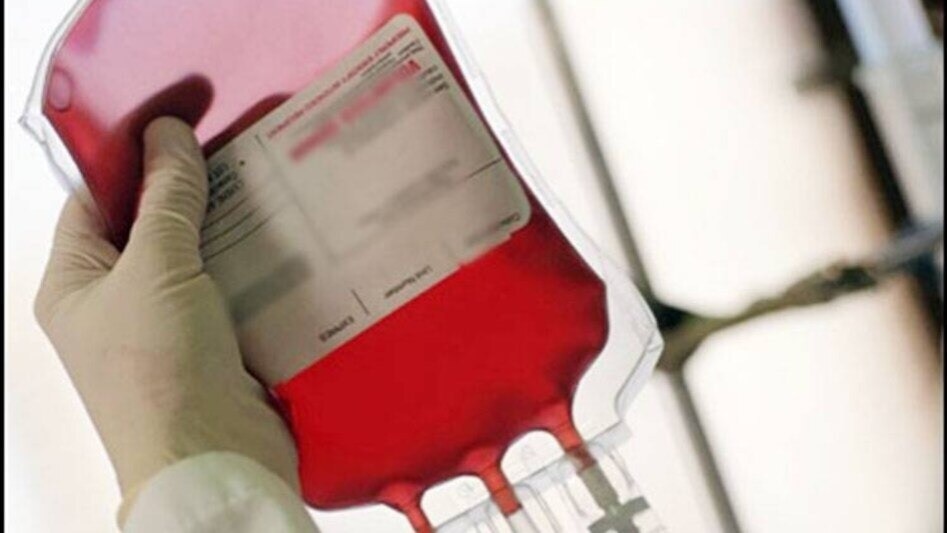
In a major move to safeguard public health, the Maharashtra FDA has issued its first comprehensive safety and testing directive for all blood banks across the state. The order mandates strict compliance with drug regulations to prevent contamination.
Key Takeaways
- Maharashtra FDA mandates uniform safety norms for all state blood banks.
- Human blood is legally classified as a 'drug' under the Drugs and Cosmetics Act.
- Mandatory screening for HIV, Hepatitis B, C, Syphilis, and Malaria.
- Strict requirements for infrastructure, staff qualification, and digital reporting via e-RaktKosh.
The Maharashtra Food and Drug Administration (FDA) has taken a decisive step toward revolutionizing blood safety by issuing its first-ever comprehensive statewide order for blood banks. FDA Commissioner Tukaram Mundhe announced that the directive aims to ensure uniform compliance regarding donor screening, testing, storage, and patient safety across the state.
Strict Regulatory Compliance
Under the Drugs and Cosmetics Act, 1940, human blood and its components are legally classified as "drugs." Consequently, no institution is permitted to collect, process, store, or distribute blood without a valid license. Commissioner Mundhe noted that recent inspections revealed significant lapses in statutory compliance at several centers, prompting the need for this rigorous statewide intervention.
Mandatory Testing & Infrastructure
The new guidelines stipulate that every single unit of blood must undergo mandatory testing for HIV, Hepatitis B, Hepatitis C, Syphilis, and Malaria. Furthermore, blood banks are now required to maintain specific infrastructure, including counseling rooms, quality control labs, and specialized component processing facilities. Personnel must also meet prescribed qualifications, including qualified medical officers and technical supervisors.
Why This Matters
BozokMedia analysis shows that this regulatory crackdown is essential to eliminate the risk of transfusion-transmitted infections. By standardizing protocols from collection to digital logging on the e-RaktKosh portal, the FDA is building a more resilient and transparent healthcare ecosystem.
Standardizing blood safety protocols is not just a regulatory hurdle; it is a fundamental necessity for patient survival.
Frequently Asked Questions
1. What diseases must be tested for in every blood unit?
Every unit must be tested for HIV, Hepatitis B, Hepatitis C, Syphilis, and Malaria.
2. Is digital reporting mandatory?
Yes, all blood centers must update their information daily on the e-RaktKosh portal.