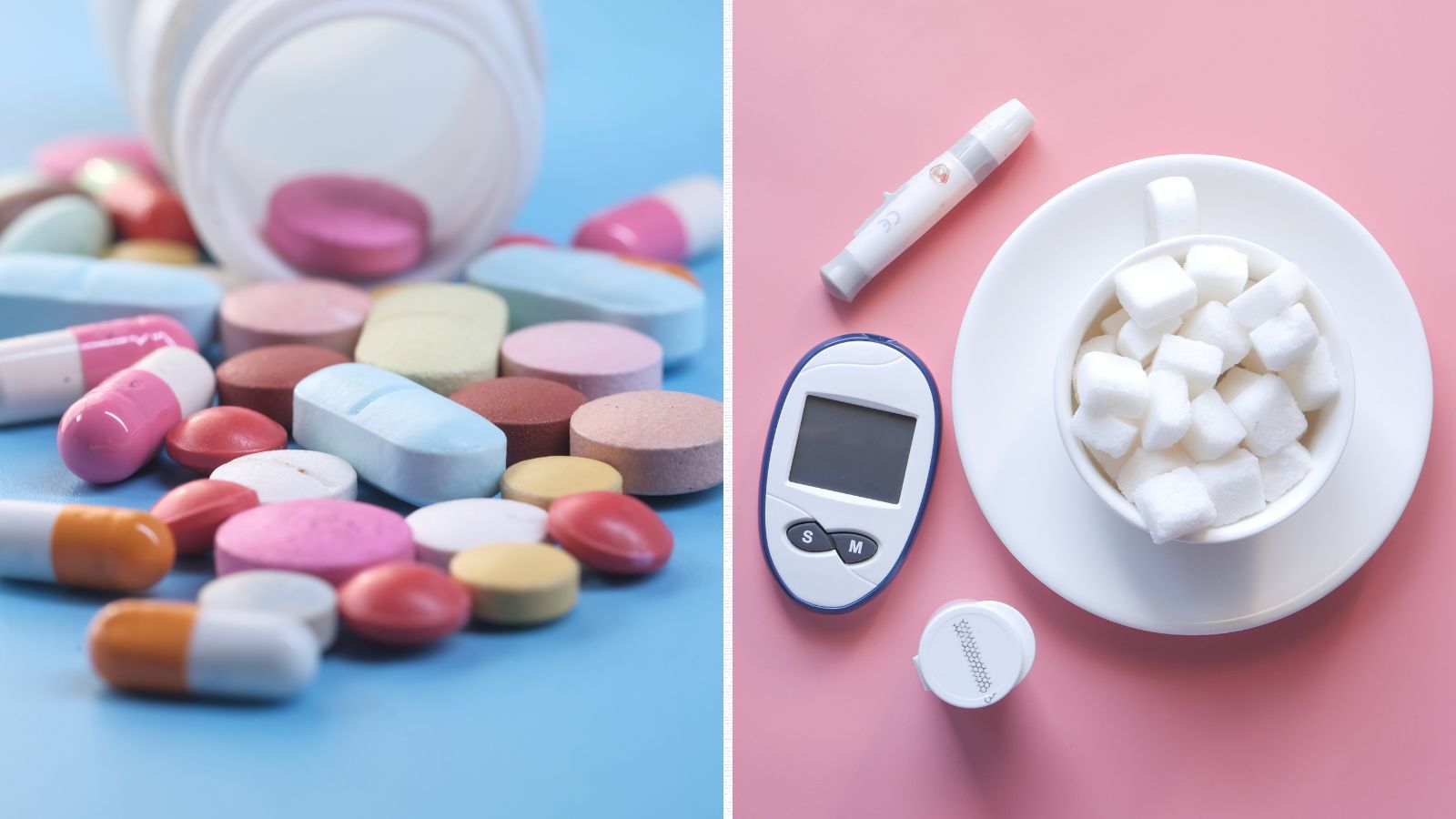
While summer sun provides natural Vitamin D, experts warn that relying solely on sunlight might not be enough for everyone. Discover the science behind sun exposure and supplementation.
Key Takeaways
- Sunlight is a natural source of Vitamin D, but it may not meet individual requirements.
- Skin tone, age, and sun protection methods significantly impact Vitamin D synthesis.
- Consult a doctor before discontinuing supplements if you have historically low levels.
As summer temperatures rise, many individuals consider pausing their daily Vitamin D supplements, believing that increased sun exposure will suffice. However, nutritionists and medical professionals suggest a more nuanced approach to maintaining optimal levels.
The Science of Sunlight and Synthesis
The human body synthesizes Vitamin D when skin is exposed to ultraviolet B (UVB) rays. However, this is not a one-size-fits-all process. Factors such as skin pigmentation, age, geographical location, and even the use of sunscreen play a critical role in how much Vitamin D your body actually produces.
Why This Matters
BozokMedia analysis shows that Vitamin D deficiency is a silent epidemic affecting bone density, immune function, and mental health. Relying exclusively on incidental sun exposure can lead to unexpected drops in levels, especially for those with indoor-centric lifestyles or darker skin tones.
Relying solely on the sun can be a double-edged sword, as balancing Vitamin D production with skin cancer prevention is a delicate act.
Medical experts emphasize that if you have been taking supplements due to a diagnosed deficiency, you should not stop them without a blood test. Sunlight exposure alone may not be sufficient to correct a significant deficit quickly.
Historical Background
Historically, Vitamin D deficiency was a major cause of rickets in children. In the modern era, despite the abundance of sunlight in many regions, sedentary indoor lifestyles and strict sun protection habits have made supplementation a common necessity for much of the population.
Frequently Asked Questions
1. Does sunscreen prevent Vitamin D production?
Yes, high-SPF sunscreens can block the UVB rays necessary for the body to synthesize Vitamin D.
2. How much sun is enough?
It varies by individual, but generally, 10 to 30 minutes of midday sun exposure a few times a week is recommended for many.