Nutritionist Layla Al-Naif warns of heavy metals and pesticides in protein supplements. Learn the vital importance of third-party testing and how to pick safer products.
Key Takeaways
- Many protein supplements may contain heavy metals, toxins, and pesticide residues.
- 'Third-party testing' ensures an independent lab has verified product purity.
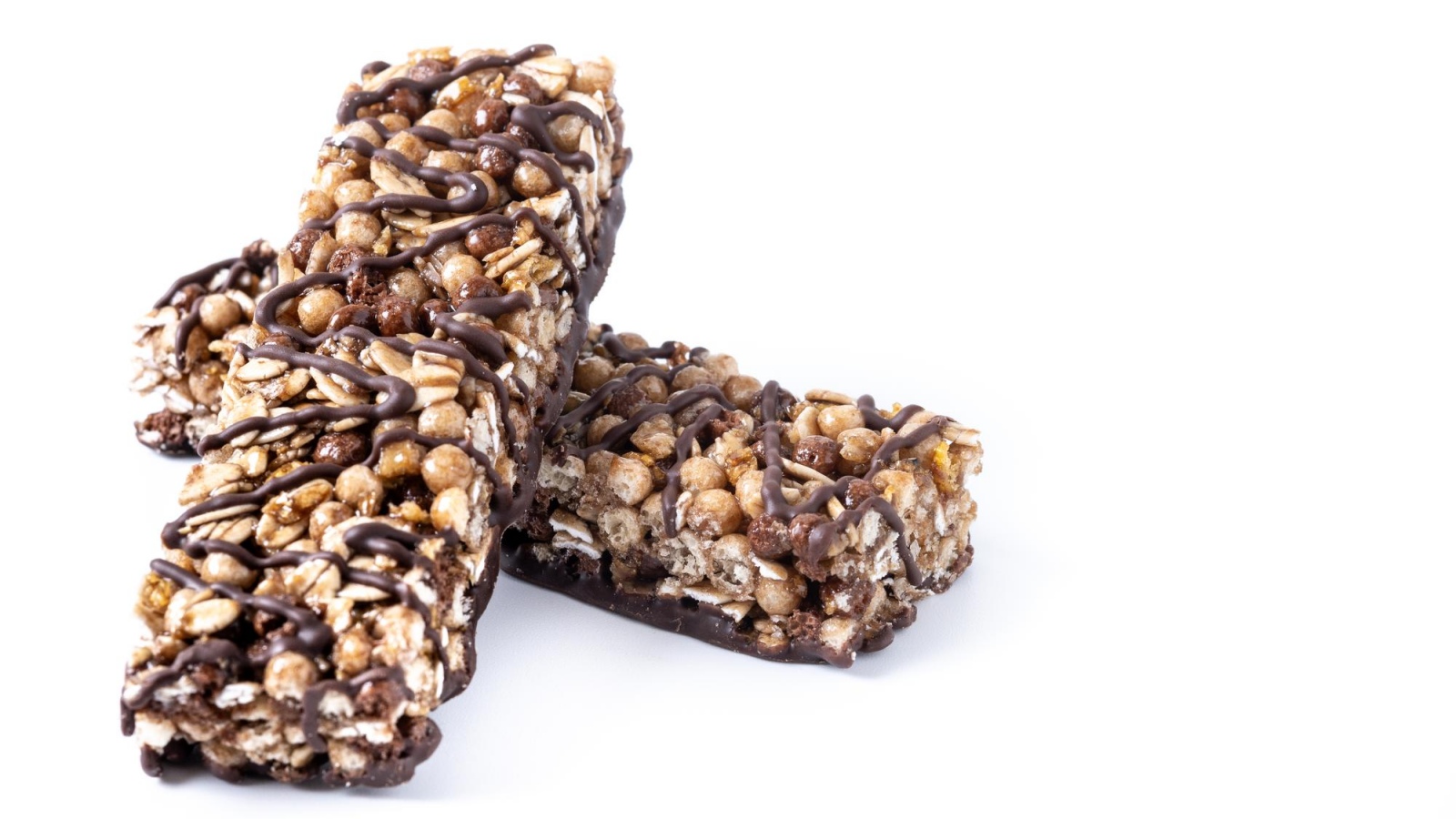
- Protein bars should supplement, not replace, whole food protein sources.
- Look for certifications like NSF, Informed Choice, or USP Verified.
The fitness industry is facing a wave of scrutiny following alarming claims by nutritionist Layla Al-Naif. Speaking on a recent podcast, Al-Naif raised red flags regarding the safety of many protein powders and bars, suggesting they may be laden with heavy metals, toxins, and pesticides if they lack third-party validation.
Understanding the Risk: Heavy Metals and Contaminants
According to Anshul Singh, Team Lead at Artemis Hospitals, the concern is scientifically grounded. Ingredients like whey, soy, and pea protein are often derived from crops that can absorb trace amounts of heavy metals or pesticides from the soil during cultivation. Without rigorous testing, these contaminants can end up in your shaker bottle.
Why This Matters
BozokMedia analysis shows that while many reputable brands maintain high standards, the lack of transparency in the supplement industry creates a significant health gap. The actual risk to a consumer depends on the level of contamination and the frequency of consumption, but cumulative exposure can be dangerous.
Independent certification offers consumers greater transparency, confidence, and reassurance before making a purchase.
Protein Bars vs. Whole Foods: A Comparison
While protein bars offer convenience, they are often highly processed. Here is how they compare to natural protein sources:
| Feature | Protein Bars/Powders | Whole Foods (Eggs, Lentils, Fish) |
|---|---|---|
| Nutritional Density | Often Processed | High (Vitamins & Minerals) |
| Added Sugars | Commonly High | Naturally Low/Zero |
| Fiber & Fats | Synthetic/Limited | Natural & Balanced |
How to Choose Safer Supplements
To navigate the crowded supplement market, follow these expert-recommended steps:
- Verify Certifications: Look for labels such as NSF Certified for Sport, Informed Choice, or USP Verified.
- Read the Label: Prioritize products with minimal additives, no artificial colors, and low added sugar.
- Source Reliability: Buy from reputable brands with transparent ingredient lists and verified customer feedback.
Frequently Asked Questions
1. What exactly is third-party testing?
It is a process where an independent laboratory, unaffiliated with the manufacturer, tests the product for purity and accuracy of ingredients.
2. Can protein bars replace a meal?
No. They are meant for convenience during travel or post-workout, but should never replace nutrient-dense whole foods.