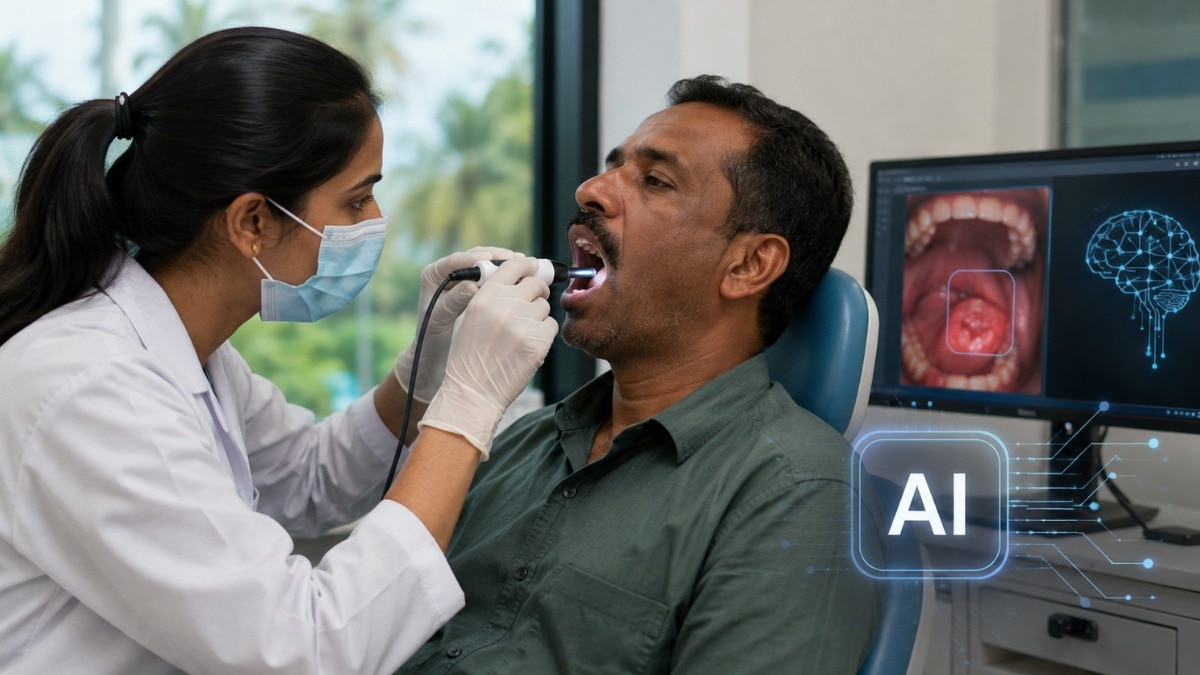
Medical experts question whether age-based health screenings are outdated, advocating for a shift toward personalized, risk-based diagnostic models.
- Age-based screening has long been the gold standard in clinical practice.
- Genetic markers and family history often outweigh chronological age in risk assessment.
- Over-diagnosis remains a significant risk in rigid age-based protocols.
For decades, the medical community has relied on chronological age as the primary trigger for essential health screenings. From colonoscopies to mammograms, the 'magic number' has dictated when a patient enters the screening pipeline. However, a growing body of evidence suggests that treating age as the sole metric may be an oversimplification of human biology.
Critics of age-centric models argue that this approach creates a dangerous gap. Young individuals with high genetic predispositions may be ignored until it is too late, while elderly patients with low risk are subjected to invasive and unnecessary procedures. This 'one-size-fits-all' mentality is increasingly at odds with the rise of Precision Medicine.
Why This Matters
BozokMedia analysis shows that the transition from age-based to risk-based screening is not just a medical preference but a necessity for healthcare sustainability. By integrating lifestyle data, environmental factors, and genomic sequencing, providers can reduce the burden on healthcare systems while increasing early detection rates.
"The goal of screening is not merely to find disease, but to apply the right test to the right person at the optimal moment."
Historically, screening guidelines were developed using broad population statistics. In the mid-20th century, clinicians observed that certain pathologies peaked at specific ages, leading to the standardization of age-based protocols. While this was efficient for mass public health, it lacked the granularity required for individual patient care.
Moreover, the phenomenon of 'over-diagnosis' has become a critical concern. Age-based screenings often detect indolent tumors or abnormalities that would never have caused symptoms during the patient's lifetime, leading to psychological distress and unnecessary medical interventions.
| Criteria | Age-Based Screening | Risk-Based Screening |
|---|---|---|
| Approach | Generalized/Population-wide | Personalized/Targeted |
| Primary Focus | Date of Birth | Genetics & Lifestyle |
| Efficiency | Lower (Risk of Over-screening) | Higher (Optimized Detection) |
Frequently Asked Questions
1. Should I get screened before the recommended age?
Yes, if you have a strong family history of specific diseases, you should consult a physician for early intervention.
2. Are age-based guidelines completely obsolete?
No, they serve as a baseline, but they should be used as a starting point rather than a definitive rule.