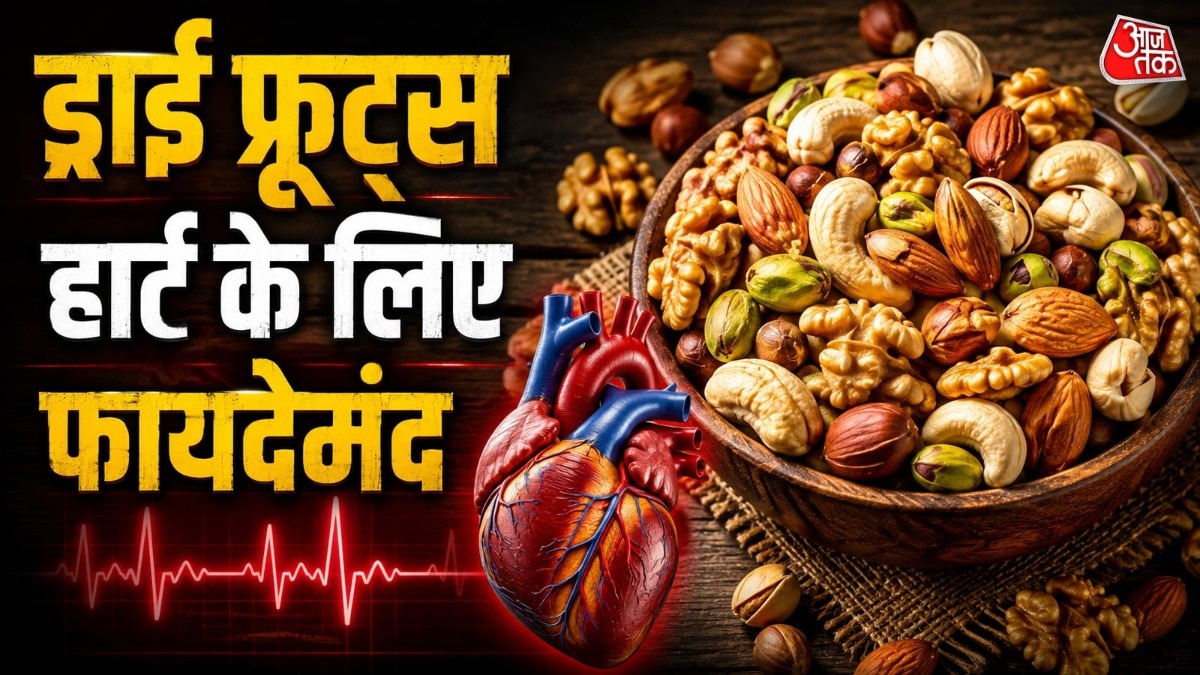
New research indicates that consuming a specific daily amount of dry fruits and nuts can lower the risk of hypertension by 20% to 30%. This finding comes amidst a sharp rise in blood pressure cases across India due to lifestyle factors.
- Daily intake of 28-35g of dry fruits can reduce hypertension risk by 20-26%.
- Approximately 30% of Indians over 18 suffer from hypertension.
- Only 10-12% of the 200 million BP patients in India have their condition under control.
Hypertension, commonly known as high blood pressure, has become a silent epidemic in India, driven largely by poor dietary habits and sedentary lifestyles. A groundbreaking study published in the British Journal of Nutrition suggests that incorporating dry fruits into the daily diet can significantly mitigate this risk.
The research involved a massive cohort of 143,380 participants aged between 18 and 87. Among them, 20,665 individuals were already diagnosed with hypertension. The data revealed a strong inverse correlation between the regular consumption of dry fruits and the onset of high blood pressure.
The Optimal Dosage for Heart Health
The study highlights that precision in quantity matters. Participants who consumed 28 grams of dry fruits daily saw a 20% reduction in the risk of high BP. Furthermore, those who consumed 30-35 grams of nuts experienced an even more significant decrease in risk, estimated at 26%. These findings align with various randomized controlled trials and meta-analyses that advocate for the cardiovascular benefits of nuts.
Why This Matters
BozokMedia analysis shows that as lifestyle-related non-communicable diseases (NCDs) surge globally, nutritional interventions provide a sustainable and cost-effective shield. Dry fruits are rich in essential minerals like potassium and magnesium, which help in relaxing blood vessel walls and reducing systemic vascular resistance.
"Dry fruits are highly recommended in high BP diet charts as they provide essential nutrients that support overall heart health and natural blood pressure regulation." - Dr. Ajit Jain, Department of Cardiology, Rajiv Gandhi Hospital, Delhi.
Despite the positive results, the researchers noted certain limitations. The study grouped various types of dry fruits together, meaning it remains unclear which specific nut or fruit—such as almonds, walnuts, or pistachios—is the most potent. Additionally, dietary assessments were primarily conducted at a single baseline point.
| Daily Intake Amount | BP Risk Reduction (%) | Primary Benefit |
|---|---|---|
| 28g Dry Fruits | 20% | Blood Pressure Stability |
| 30-35g Nuts | 26% | Enhanced Cardiovascular Health |
Medical professionals advise that individuals with known nut allergies or severe gastrointestinal issues should consult a physician before increasing their intake of dry fruits.
Frequently Asked Questions
Q1: Can dry fruits replace BP medication?
A: No. Dry fruits are preventive measures. Patients on medication must not stop their treatment without consulting a doctor.
Q2: Are salted or roasted nuts equally beneficial?
A: No. Only raw or unsalted nuts are recommended. Excess sodium in salted nuts can actually increase blood pressure.