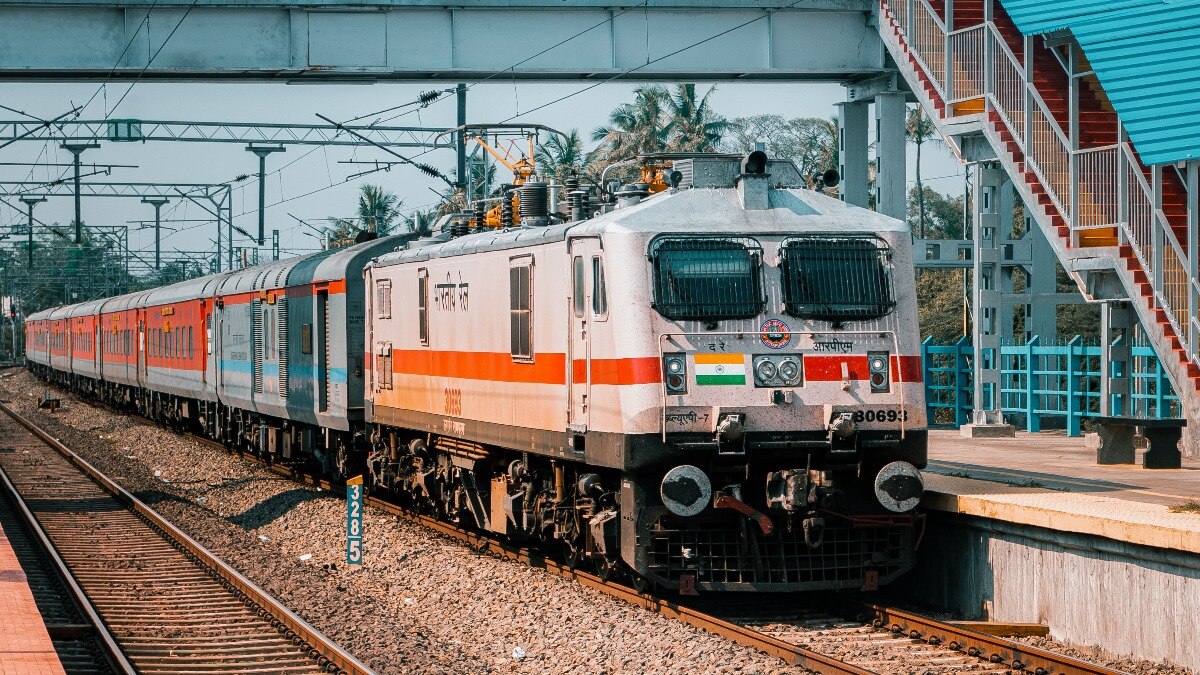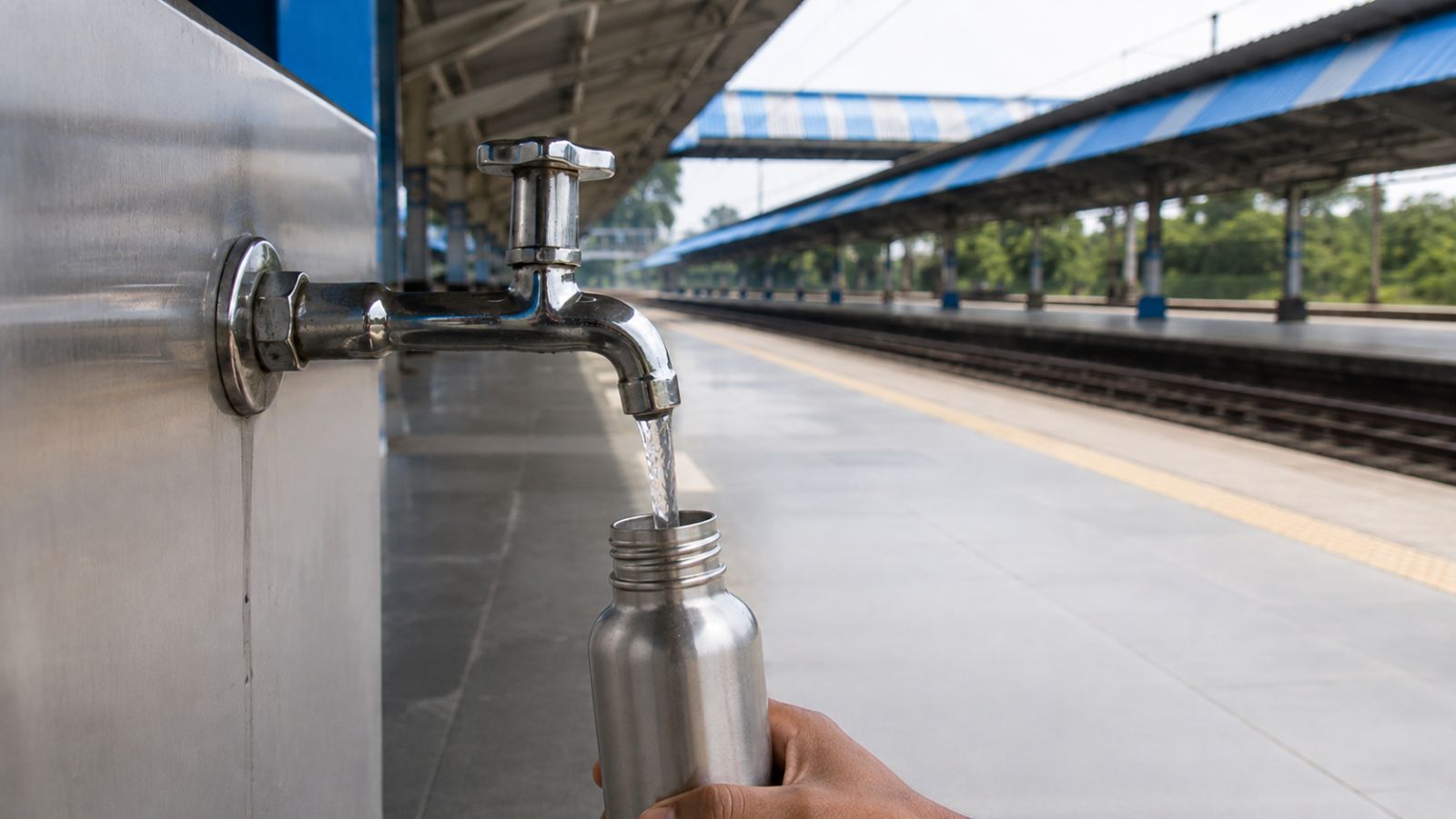
A CAG audit has revealed the presence of E. coli bacteria in water coolers across several railway stations. Health experts warn that this indicates faecal contamination and could lead to severe complications, including kidney failure.
- CAG audit found E. coli and total coliform bacteria in water samples from 8 railway stations.
- Presence of E. coli is a primary indicator of faecal contamination in the water supply.
- Certain strains produce Shiga-toxins that can cause acute kidney injury.
- Bloody diarrhoea and reduced urine output are critical red flags requiring immediate care.
The safety of drinking water provided to millions of passengers at non-suburban railway stations has come under intense scrutiny. A recent audit by the Comptroller and Auditor General (CAG) has uncovered the presence of E. coli and total coliform bacteria in water-cooler samples across eight different stations. This finding is not merely a technical lapse but a significant public health concern, suggesting that the water supply may be contaminated with faecal matter.
Understanding E. coli and the Risks
Escherichia coli, commonly known as E. coli, is a group of bacteria that typically reside in the intestines of humans and animals. While most strains are harmless commensals, specific pathogenic strains can cause severe illness when ingested through contaminated food or water. The detection of these bacteria in public drinking water indicates a breach in sanitation and a failure of the filtration systems meant to protect the public.
Why This Matters (BozokMedia Analysis)
BozokMedia analysis suggests that this incident highlights a systemic failure in the maintenance of passenger amenities. When basic necessities like drinking water are compromised, it exposes the vulnerability of the traveling public to preventable waterborne epidemics. This situation necessitates an immediate overhaul of the water purification infrastructure across the entire railway network to prevent large-scale health crises.
"The presence of E. coli is a warning sign of faecal contamination; bloody diarrhoea or reduced urine output should never be ignored as they may signal acute kidney injury." - Dr. Sanjay Verma, Fortis Hospital.
From Gut Infection to Kidney Failure
The progression of an E. coli infection can be deceptive. It often begins with standard gastrointestinal symptoms such as nausea, abdominal cramps, and watery diarrhoea. However, strains that produce Shiga-toxins can cause much more severe damage. These toxins enter the bloodstream and attack the lining of small blood vessels, particularly in the kidneys, leading to the destruction of red blood cells and impaired filtration.
| Symptom | Standard E. coli Infection | Shiga-Toxin E. coli (Severe) |
|---|---|---|
| Stool Consistency | Watery Diarrhoea | Bloody Diarrhoea |
| Abdominal Pain | Mild Cramping | Severe, Marked Pain |
| Organ Impact | Intestinal Tract | Kidneys & Blood Vessels |
Diagnosis and the Danger of Self-Medication
Confirming an E. coli infection requires clinical assessment and often laboratory stool cultures or molecular tests to identify specific toxin-producing genes. A critical medical caveat is the use of antibiotics; in cases of Shiga-toxin-producing E. coli, antibiotics can actually increase the risk of kidney damage. This makes professional medical diagnosis indispensable, as self-treating with over-the-counter drugs can be counterproductive.
Frequently Asked Questions
Q1: If I get diarrhoea after drinking railway water, is it definitely E. coli?
Answer: Not necessarily. Diarrhoea can be caused by various viruses, parasites, or other bacteria. Timing alone is not a diagnostic tool; laboratory testing is required for confirmation.
Q2: Should I take anti-diarrhoeal medication immediately?
Answer: No. These medicines should be used cautiously and only under medical supervision, as they may mask symptoms or complicate certain types of bacterial infections.