Medical experts warn that nearly half of critical kidney disease cases are missed until it is too late. Discover the 'silent killer' symptoms and the dietary changes needed to protect your health.
- Up to 50% of life-threatening kidney disease cases are currently undiagnosed.
- Chronic Kidney Disease (CKD) is often asymptomatic until the advanced stages.
- Dietary habits and metabolic health play a critical role in prevention.
In a startling revelation that underscores a growing global health crisis, medical researchers have warned that up to half of all life-threatening Chronic Kidney Disease (CKD) cases may go completely undiagnosed. Unlike heart attacks or strokes, which often present immediate and dramatic symptoms, kidney failure is often described as a 'silent killer' because it causes no pain in its early stages.
The danger lies in the kidneys' remarkable ability to compensate for damage. Patients can lose a significant portion of their renal function before the body triggers a warning signal. By the time symptoms like edema (swelling), fatigue, or changes in urination appear, the disease has often progressed to a stage where permanent damage has occurred, necessitating dialysis or a transplant.
Why This Matters
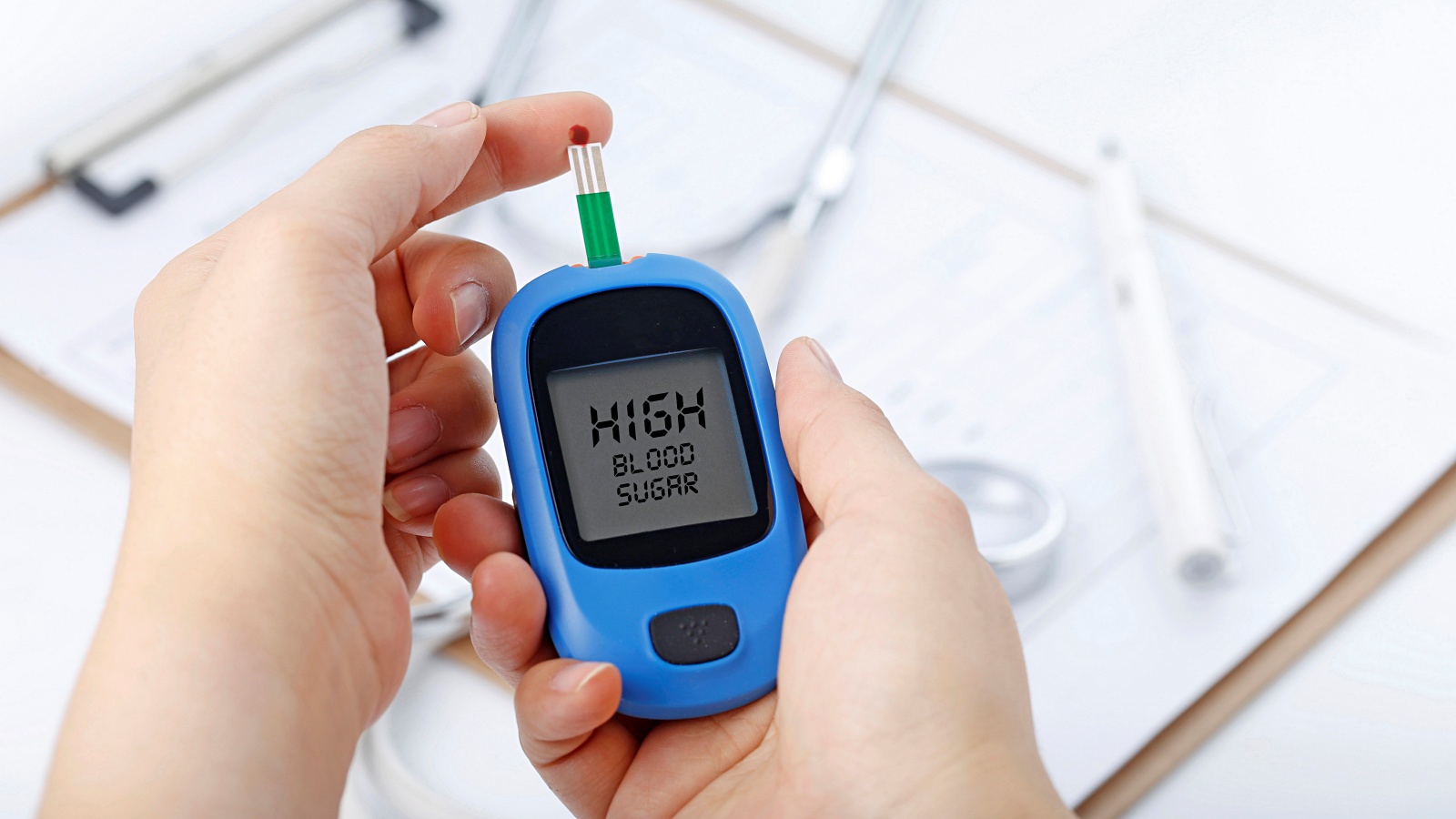
BozokMedia analysis shows that the surge in undiagnosed kidney disease is closely linked to the global epidemic of Type 2 diabetes and hypertension. These two conditions are the primary drivers of renal failure. When blood sugar levels remain uncontrolled, the delicate filtering units of the kidney—the nephrons—become scarred and dysfunctional, a process that happens invisibly over several years.
"The absence of pain is the most dangerous symptom of kidney disease; it creates a false sense of security while the organs are failing."
Experts are now urging a shift toward proactive screening. Simple tests, such as the uACR (urine Albumin-to-Creatinine Ratio) and eGFR (estimated Glomerular Filtration Rate), can detect kidney dysfunction years before a patient feels ill. However, these tests are rarely part of routine annual check-ups unless the patient already has known comorbidities.
Historical Background
Historically, kidney disease was viewed as a consequence of acute poisoning or genetic disorders. However, the last three decades have seen a paradigm shift. The rise of processed foods, high sodium intake, and sedentary lifestyles has turned CKD into a lifestyle-driven epidemic. The integration of nephrology into primary care is now seen as the only way to curb the rising mortality rates associated with renal failure.
Frequently Asked Questions
Q1: What are the early warning signs of kidney disease?
A1: Early signs are rare, but some may experience mild swelling in ankles, increased nighttime urination, or unexplained fatigue.
Q2: Which foods should be avoided to protect kidney health?
A2: High-sodium processed foods, excessive sugar, and over-the-counter NSAID painkillers (like ibuprofen) can severely damage the kidneys.