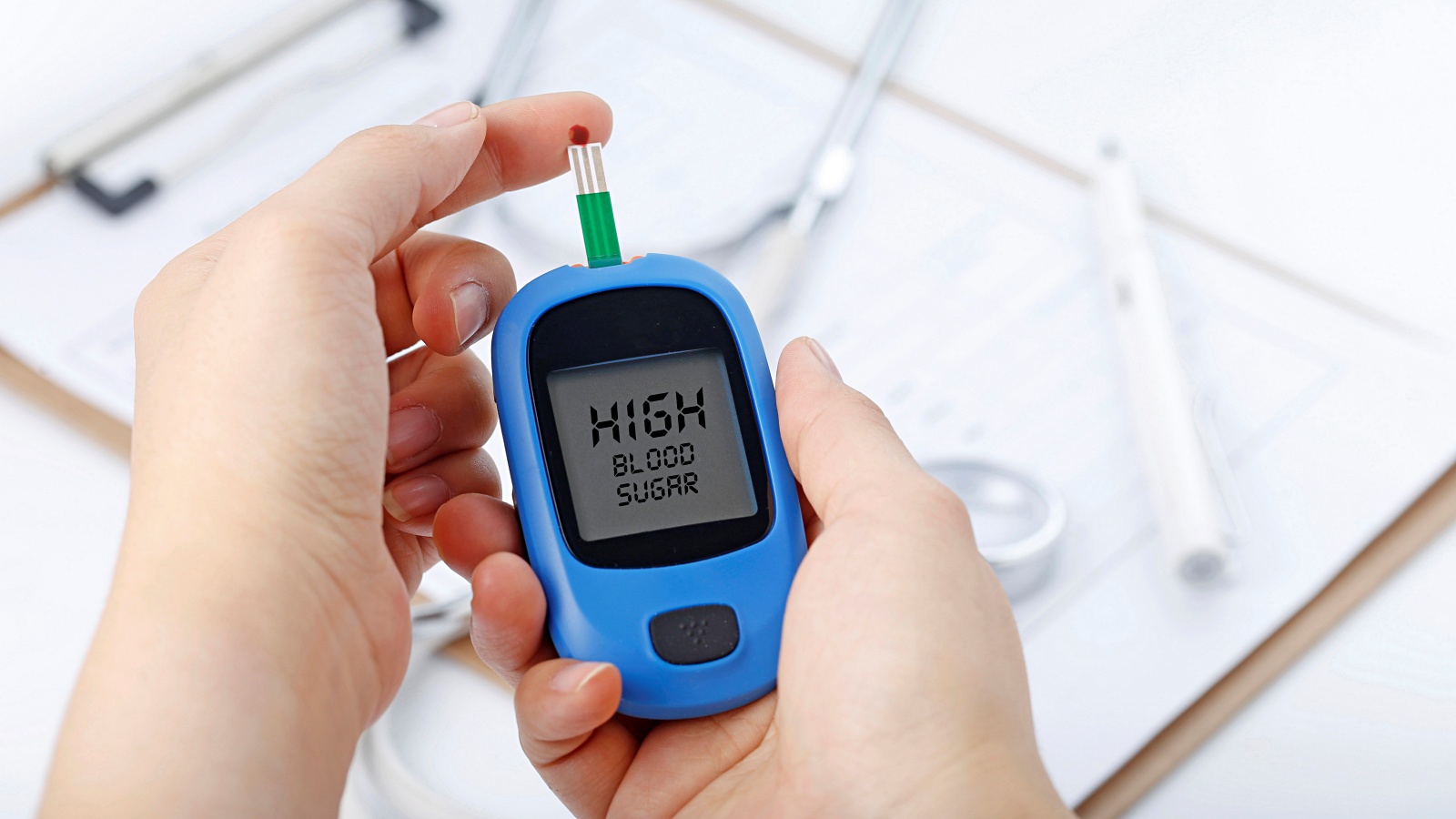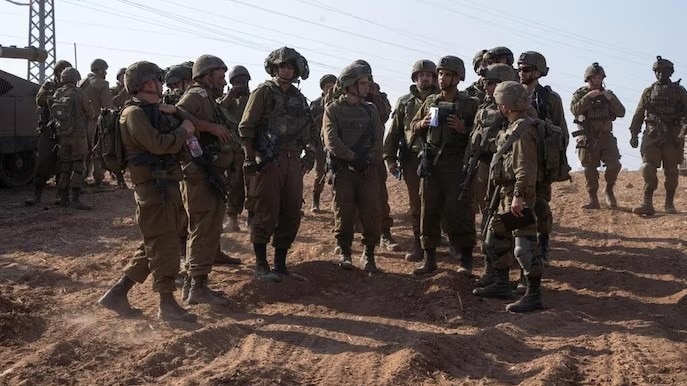
Beyond physical casualties, the Gaza war has triggered a mental health epidemic among Israeli soldiers, with thousands battling PTSD, anxiety, and severe psychological trauma.
- Approximately 11,000 Israeli soldiers identified with mental health injuries following the October 7 attacks.
- A 40% surge in PTSD cases reported, marking one of the highest rates in Israel's military history.
- Sensory triggers, such as specific smells and sounds, are causing severe flashbacks and panic attacks.
While the world sees the Israeli Defense Forces (IDF) through the lens of advanced tanks and missile systems, a darker, more silent crisis is unfolding. Long-term deployment in Gaza has left thousands of soldiers grappling with Post-Traumatic Stress Disorder (PTSD), proving that the wounds of war are not always visible.
According to data from the Israeli Ministry of Defense, nearly 11,000 soldiers have been diagnosed with mental health issues since the October 7, 2023, attacks. This includes severe anxiety, depression, and chronic insomnia. The scale of this crisis is unprecedented, rivaling the cumulative mental health casualties of previous Israeli conflicts.
Understanding PTSD: When the Mind Stays at War
PTSD occurs after experiencing a life-threatening or terrifying event. For these soldiers, the trauma manifests as 'flashbacks'—vivid, intrusive memories that make them feel as if they are back in the combat zone. One veteran reported that the mere sound of a drone or a loud shout could trigger a full-blown panic attack. More disturbingly, olfactory triggers (smells) associated with recovering bodies have haunted soldiers, surfacing in mundane domestic activities.
"War trauma is not just about images; it is encoded in the brain through smells and sounds, making the transition to civilian life a psychological battlefield."
Why This Matters
BozokMedia analysis shows that this mental health crisis poses a significant risk to long-term national security. The repetitive cycle of deployment and insufficient recovery time for reserve soldiers has created a 'cumulative trauma' effect. If left unaddressed, this could lead to a permanent decline in the operational readiness and social cohesion of the military force.
| Symptom | General Stress | PTSD (War Trauma) |
|---|---|---|
| Sleep Patterns | Difficulty falling asleep | Terrifying nightmares & night terrors |
| Reaction | Irritability | Hyperarousal (Extreme startle response) |
| Memory | Recalling the event | Flashbacks (Reliving the event as present) |
The severity is further highlighted by Reuters, which reported that 279 soldiers attempted suicide between January 2024 and July 2025. Clinical psychologist Ronan Sidi notes that this trauma is split between the primal fear of death and 'Moral Injury'—the deep guilt resulting from decisions made or witnessed during the brutality of war.
Frequently Asked Questions
1. Can PTSD be fully cured?
While it may not be 'cured' in the traditional sense, it can be effectively managed through Cognitive Behavioral Therapy (CBT), EMDR, and psychiatric support.
2. What is 'Moral Injury'?
It is the psychological distress that results from actions, or the lack thereof, which transgress deeply held moral beliefs and expectations.