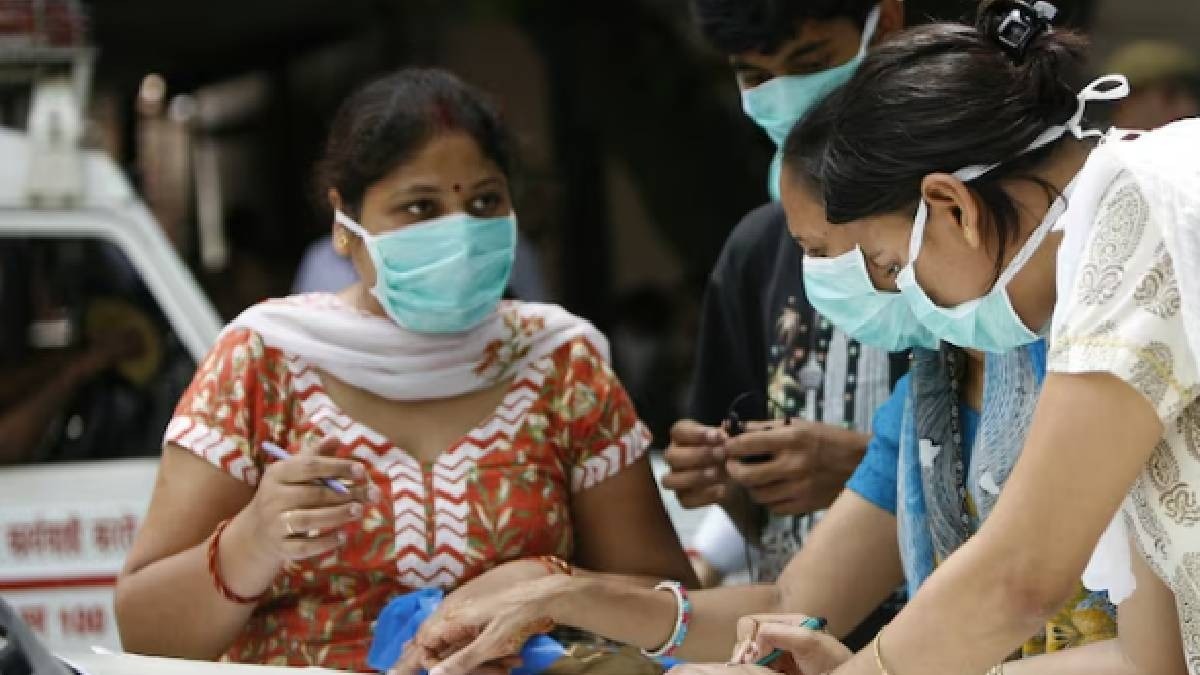
Junior doctors in Andhra Pradesh have decided to continue their protest after negotiations with Health Minister Satya Kumar Yadav ended in a deadlock. The Andhra Pradesh Junior Doctors’ Association (APJUDA) rejected the government's 3% stipend hike offer, calling it insufficient to battle inflation.
- APJUDA has rejected the government's offer of a 3% annual stipend hike, calling it inadequate against inflation.
- The strike has entered its tenth day, with emergency medical services withdrawn for four consecutive days.
- The doctors have scaled down their biennial stipend revision demand from 30% to 20% to show flexibility.
The ongoing standoff between the Andhra Pradesh government and junior doctors has intensified as recent high-level talks yielded no resolution. On Thursday, representatives from the Andhra Pradesh Junior Doctors’ Association (APJUDA) met with the Minister for Health, Medical and Family Welfare, Satya Kumar Yadav, at the State Secretariat in Vijayawada. Despite a lengthy discussion regarding the healthcare professionals' grievances, the association announced that the strike would continue indefinitely until their core demands are met.
At the heart of the dispute is the biennial stipend hike. The state government recently expressed its inability to maintain the previously established 15% biennial stipend hike due to severe financial constraints. Instead, Health Secretary G. Veerapandian proposed a 3% annual hike for junior doctors and a 5% annual hike for interns. APJUDA swiftly rejected this proposal, stating that such a marginal increase is entirely insufficient to offset the prevailing rate of inflation.
To demonstrate a willingness to negotiate, the striking doctors scaled down their initial demand of a 30% biennial revision to 20%. They argued that the financial impact of their demands is minimal compared to the state's broader fiscal allocation. According to APJUDA, a 15% stipend increase would cost the state an additional ₹87.91 crore annually, representing a mere 0.5% of the total health budget and just 0.03% of the entire state budget for the fiscal year 2026-27.
| Stipend Component | Government's Proposal | Doctors' Scaled-Down Demand |
|---|---|---|
| Annual / Biennial Hike Rate | 3% Annual (Interns: 5% Annual) | 20% Biennial (Down from 30%) |
| Financial Impact (Est.) | Minimal increase in state liabilities | ₹87.91 Crore (Approx. 0.03% of State Budget) |
| Inflation Compensation | Deemed highly inadequate by APJUDA | Aims to match current inflation trends |
Beyond the financial aspect, the junior doctors are also protesting against other policy decisions. These include the proposed increase in the retirement age of medical faculty to 65 years and issues surrounding recruitment criteria violating National Medical Commission (NMC) guidelines. While the Health Minister assured them that their concerns regarding retirement age and NMC guidelines would be addressed, the deadlock over stipends remains the primary roadblock.
Why This Matters
A BozokMedia analysis shows that prolonged strikes by junior doctors severely cripple the public healthcare infrastructure, especially when emergency services are withdrawn. As government hospitals bear the brunt of patient loads, the deadlock highlights a deeper systemic challenge: balancing state fiscal discipline with the fair compensation of frontline healthcare workers during inflationary periods.
"Frontline medical professionals cannot be expected to deliver high-quality care under financial duress; a fair, inflation-adjusted stipend is fundamental to sustaining public healthcare systems."
The protest has now entered its tenth day, causing significant disruptions across government hospitals in Andhra Pradesh. For the past four days, junior doctors, senior residents, and interns have completely withdrawn from emergency services, escalating the pressure on the administration. Candlelight marches, sit-ins, and demonstrations continue to gain traction, with medical students across various institutions like the Government Siddhartha Medical College in Vijayawada joining the movement.
Frequently Asked Questions
Q1: Why are junior doctors in Andhra Pradesh on strike?
A1: Junior doctors are striking primarily because the government has refused to implement the 15% biennial stipend hike, offering a 3% annual hike instead, which doctors claim is insufficient to counter inflation.
Q2: What services are currently affected by the strike?
A2: Both outpatient department (OPD) services and critical emergency medical services have been severely affected as the strike entered its tenth day.