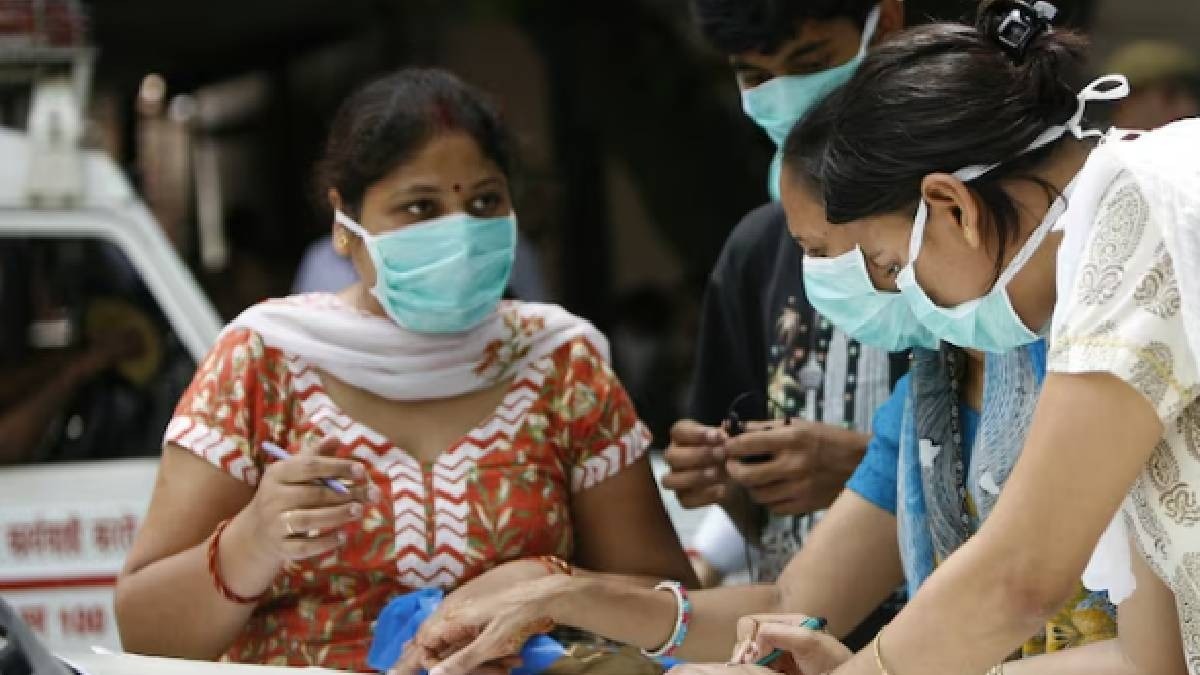
A massive spike in H1N1 Swine Flu cases has been reported across Delhi-NCR, with infections rising sixfold compared to last year. Medical professionals, including hospital heads, are also falling victim to the virus.
- Delhi has recorded 1,349 H1N1 cases this year, compared to just 229 during the same period last year.
- The surge is linked to shifting weather patterns and high humidity levels.
- Healthcare workers and hospital administrators have also tested positive.
- High-risk groups include children, the elderly, and pregnant women.
The Delhi-NCR region is witnessing a dramatic surge in H1N1 (Swine Flu) infections, driven by the current humid and transitioning weather. Recent health data reveals that Delhi has recorded 1,349 cases so far this year, a staggering sixfold increase from the 229 cases reported during the same period last year.
The situation has taken a concerning turn as the virus is not sparing medical professionals. Reports indicate that several doctors and even the head of a major government hospital in Delhi have tested positive for H1N1. This trend highlights the high transmissibility of the virus in clinical environments.
Why This Matters
BozokMedia analysis shows that the convergence of monsoon humidity and increased respiratory infections creates a perfect storm for viral outbreaks. Such a rapid escalation in case numbers can strain hospital resources and overwhelm primary healthcare centers in the capital region.
The rapid spread of respiratory infections during the monsoon season presents a significant challenge to urban public health infrastructure.
Symptoms to Watch For: Common symptoms of H1N1 include sudden high fever, dry cough, body aches, headache, sore throat, chills, and extreme fatigue. In severe instances, patients may experience difficulty breathing and a drop in oxygen saturation levels.
Historical Context & Comparison
While influenza typically follows seasonal patterns, the recent volatility in case numbers suggests that environmental factors like humidity are playing a more dominant role in transmission cycles than previously observed.
| Metric | Last Year (Period) | This Year (To Date) |
|---|---|---|
| Total Cases | 229 | 1,349 |
| Growth Rate | - | ~600% Increase |
Treatment & Prevention: Medical experts emphasize that antiviral medications like Oseltamivir are most effective when administered within 48 hours of symptom onset. Antibiotics are generally not required unless a secondary bacterial infection is present. High-risk individuals, including those with diabetes, heart disease, or lung conditions, are advised to take extra precautions.
Frequently Asked Questions
Q1: How can I protect myself from Swine Flu?
A: Practice frequent handwashing, wear masks in crowded spaces, and maintain social distancing when possible.
Q2: Who is most at risk for severe H1N1?
A: The elderly, young children, pregnant women, and individuals with underlying chronic health conditions are at the highest risk.