As mental health content explodes on social media, licensed professionals are moving from clinics to digital feeds, offering both unprecedented access and new ethical challenges.
- Mental health content on social media has seen exponential growth, with hashtags reaching billions of views.
- Digital platforms help bridge the global gap in mental healthcare accessibility and reduce social stigma.
- Experts warn that social media provides psychoeducation but cannot replace professional, evidence-based clinical treatment.
A simple search for 'ADHD' or 'Trauma' on TikTok or Instagram now yields a deluge of content from licensed psychologists and psychiatrists. Breaking down complex clinical jargon into digestible clips, these professionals are transforming social media feeds into digital consulting rooms, reaching millions of users worldwide.
The Global Accessibility Crisis
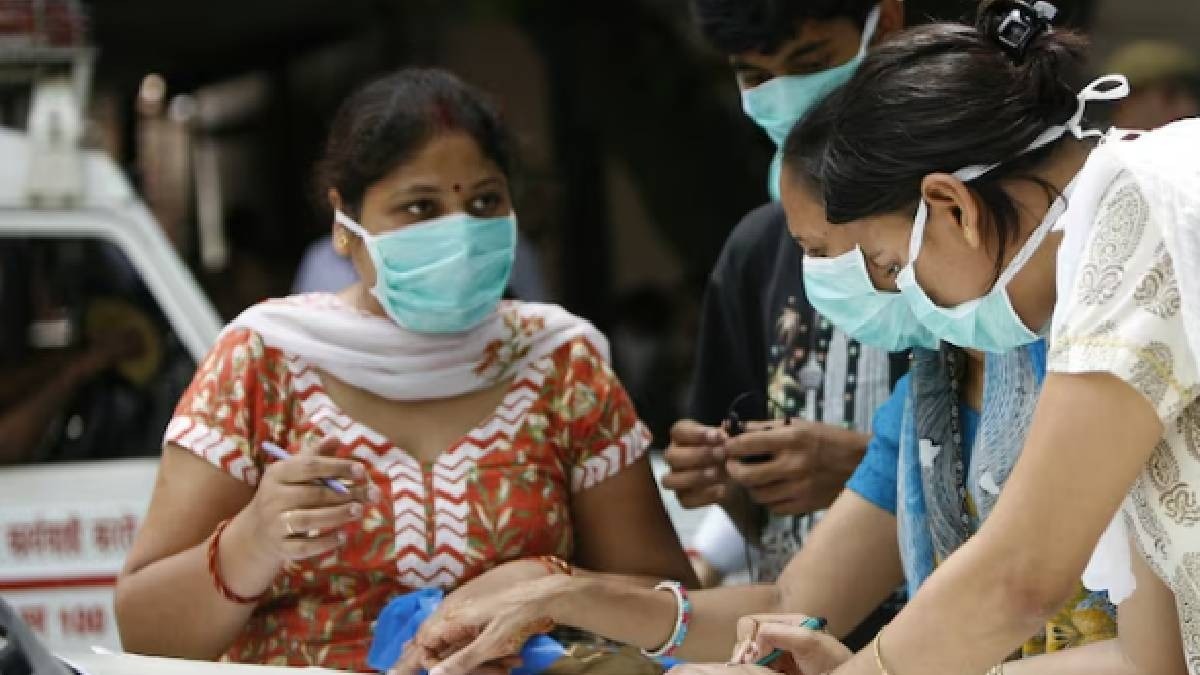
This digital shift is not accidental; it is a response to a massive global shortage in mental healthcare. According to the 2025 World Mental Health report by the World Health Organization (WHO), two-thirds of countries suffer from a severe shortage of psychiatrists. In many regions, waiting lists for essential assessments can last for years, leaving many without support.
Why This Matters
BozokMedia analysis shows that social media is effectively 'democratizing' psychology. By providing free, accessible information, it lowers the barrier for those deterred by cost or the social stigma associated with seeking traditional therapy. However, the rise of the 'therapy influencer' brings complex questions regarding commercial ethics and the distinction between popularity and expertise.
Social media is a community; often people are feeling alone and isolated, and these platforms provide immediate connection.
While platforms like TikTok have seen #MentalHealth views climb to over 100 billion, experts like Dr. Jonathan Shedler caution that public visibility is often mistaken for clinical legitimacy. The challenge lies in ensuring users can distinguish between a viral creator and a qualified medical professional.
Opportunities and Ethical Boundaries
For clinicians like Robert Roopa, social media is a powerful tool for public education. It allows professionals to reach audiences far beyond academic journals and textbooks. However, this new frontier presents significant boundary issues. Followers often attempt to seek personalized crisis intervention through direct messages, a situation for which most digital platforms are not equipped.
Frequently Asked Questions
1. Can social media content be used for self-diagnosis?
While it can raise awareness of symptoms, self-diagnosis via social media is risky and should always be confirmed by a licensed professional.
2. Is social media a safe space for mental health discussions?
It offers community and peer support, but it lacks the structured safeguards and privacy of a formal clinical setting.