The Karnataka Food Safety and Drugs Administration has banned the sale and manufacture of non-dairy 'analogue' paneer for one year. The move aims to prevent consumer deception and mitigate health risks associated with vegetable-fat substitutes.
- Karnataka bans manufacture, sale, and storage of analogue paneer for one year.
- Analogue paneer is made from vegetable oils and starches, not milk.
- The ban is a preventive measure to avoid LDL cholesterol spikes and consumer fraud.
- Frozen desserts and processed cheese remain exempt from this specific order.
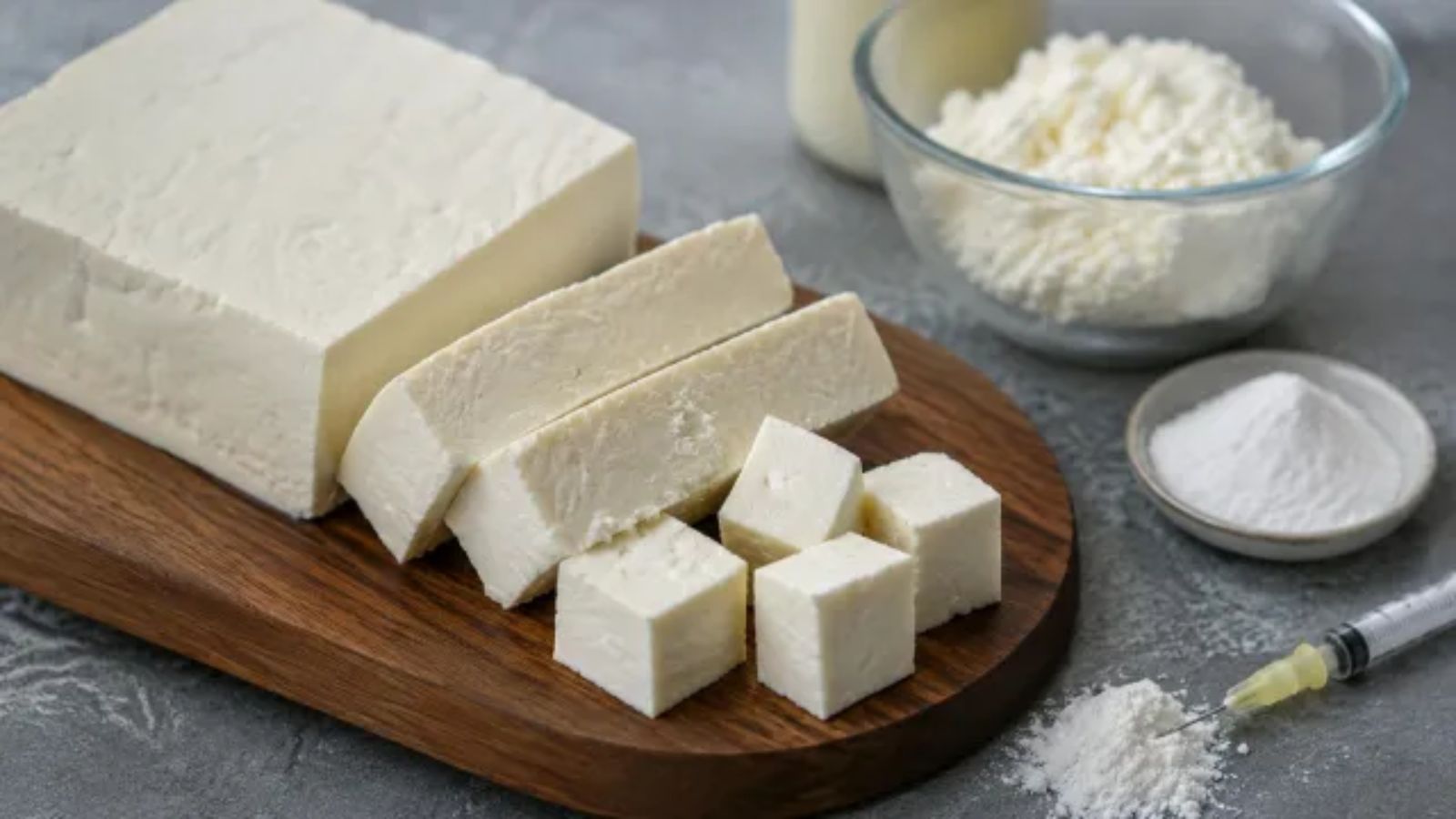
In a decisive move to safeguard consumer health and eliminate product misrepresentation, the Karnataka Food Safety and Drugs Administration (KFSDA) has announced a comprehensive one-year ban on the manufacture, processing, storage, transportation, and sale of analogue paneer. This non-dairy alternative, often mistaken for genuine cottage cheese, is synthesized using vegetable oils, starches, emulsifiers, and various chemical additives.
The directive comes after a series of rigorous tests conducted on paneer samples across the state. While the KFSDA noted that there was no widespread evidence of genuine paneer being adulterated with vegetable fats, the government decided to issue a preventive prohibition. The primary goal is to stop the market infiltration of imitation products that mislead consumers into believing they are consuming a dairy-based protein source.
Why This Matters
BozokMedia analysis shows that the rise of analogue products is a global trend driven by the need for cheaper raw materials. However, in the Indian context, where paneer is a primary protein source for vegetarians, the substitution of milk fat with hydrogenated vegetable oils can have severe nutritional consequences. By banning these substitutes, Karnataka is prioritizing long-term public health over short-term industrial cost-cutting.
The use of low-quality processed vegetable fats in analogue paneer can lead to a significant increase in LDL (bad) cholesterol, posing a silent threat to cardiovascular health.
According to official food safety norms, any product that replaces milk fat or solids with vegetable oil or non-dairy components is classified as 'analogue.' Under the new regulations, no food business operator (FBO) is permitted to use these substitutes in any food preparation. This means restaurants, catering services, and packaged food brands must ensure their supply chains are strictly dairy-based.
It is important to note that not all non-dairy products are banned. The KFSDA has clarified that standardized foods with existing regulatory frameworks—such as frozen desserts, processed cheese, and mixed fat spreads—are exempt from this order, as they are already governed by specific FSSAI guidelines.
Historical Background
Karnataka is not the first state to take this stand. Maharashtra previously implemented a similar one-year ban after FDA tests revealed that several analogue samples failed safety benchmarks. Similarly, Madhya Pradesh banned these substitutes to protect the dairy industry and encourage the production of natural milk, viewing cheaper non-dairy alternatives as a threat to the livelihood of local farmers.
| Feature | Genuine Paneer | Analogue Paneer |
|---|---|---|
| Primary Ingredient | Pure Milk / Casein | Vegetable Oil / Starch |
| Nutritional Value | High Protein & Calcium | High Saturated/Trans Fats |
| Health Impact | Muscle Growth / Bone Health | Risk of High LDL Cholesterol |
| Legal Status (KA) | Permitted | Banned for 1 Year |
Frequently Asked Questions
Q1: Is all non-dairy cheese banned in Karnataka?
No, the ban specifically targets 'analogue paneer.' Standardized products like processed cheese and frozen desserts are exempt.
Q2: Why is analogue paneer considered dangerous?
While not inherently toxic, the low-quality vegetable fats used can increase bad cholesterol (LDL) levels in the body.