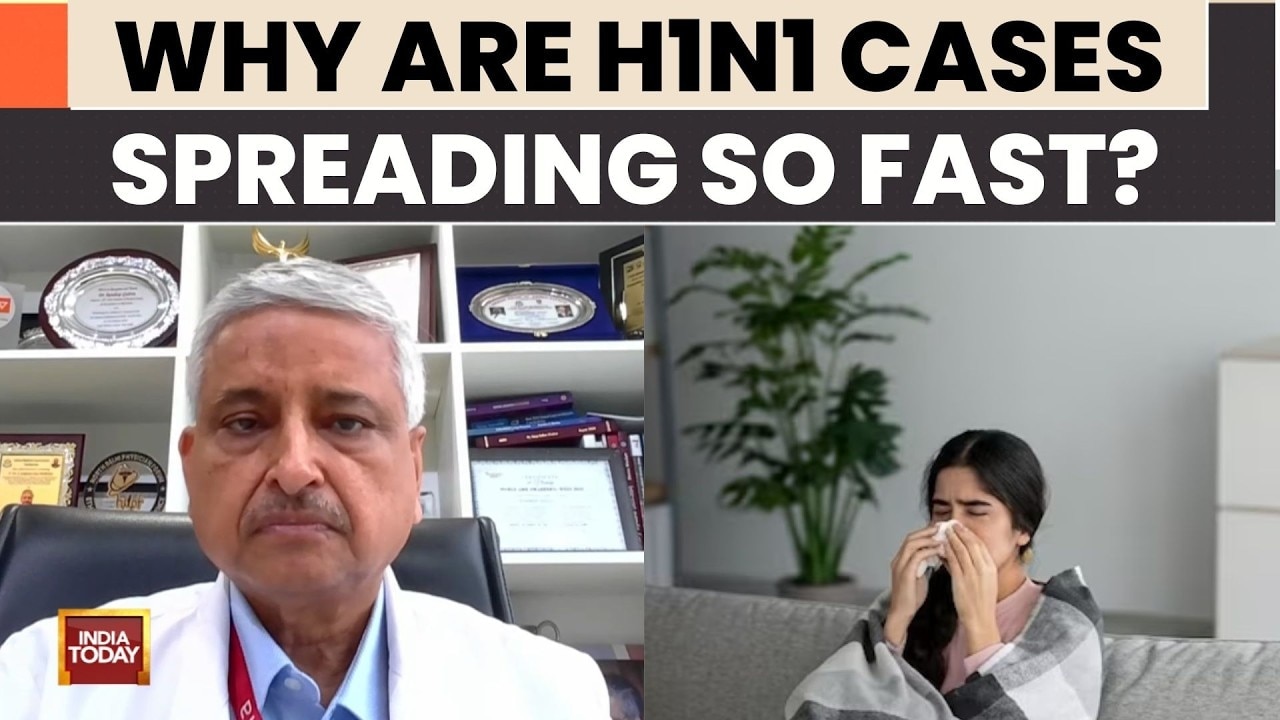
Former WHO Chief Scientist Dr. Soumya Swaminathan has addressed the rising H1N1 cases in India, emphasizing the danger of self-medication and the necessity of annual vaccinations for high-risk groups.
- The H1N1 surge is a seasonal respiratory viral outbreak.
- Genomic sequencing confirms no major antigenic shift in the current strain.
- Misuse of antibiotics fuels the global threat of antimicrobial resistance.
- Vaccination and hygiene are primary defenses for vulnerable populations.
India is currently witnessing a notable spike in H1N1 influenza cases, prompting health experts to issue urgent advisories. Dr. Soumya Swaminathan, former Chief Scientist at the World Health Organization (WHO) and a renowned pediatrician, has clarified that this surge is consistent with regular seasonal outbreaks of respiratory infections. She noted that the perceived increase is partly due to enhanced surveillance and more rigorous testing protocols across the country.
Addressing public anxiety, Dr. Swaminathan reassured that there is no cause for panic. According to genomic sequencing data, the circulating strain of the virus has not undergone any significant antigenic shift compared to previous years. This indicates that while the virus is spreading, its fundamental characteristics remain stable, and existing medical protocols remain effective.
Why This Matters
BozokMedia analysis shows that the real danger lies not in the virus itself, but in the systemic misuse of medication. While the general population may recover quickly, seasonal influenza remains a critical public health threat for high-risk groups, including infants, pregnant women, the elderly, and those with chronic underlying health conditions. For these individuals, H1N1 can lead to severe complications like pneumonia.
"The casual and improper use of antibiotics and antivirals is a dangerous trend that accelerates antimicrobial resistance, rendering life-saving drugs ineffective."
To curb the transmission, Dr. Swaminathan recommended a multi-pronged preventive approach. This includes prioritizing flu vaccinations for high-risk individuals, wearing masks in crowded environments, maintaining strict hand hygiene, ensuring adequate indoor ventilation, and practicing social distancing by staying home when symptomatic.
Historical Background
H1N1, commonly known as 'Swine Flu,' first gained global notoriety during the 2009 pandemic. Since then, it has transitioned into a seasonal flu virus that circulates globally. In India, the virus typically peaks during the monsoon and winter transitions, often taxing the healthcare infrastructure in urban centers.
| Feature | Common Cold | H1N1 Flu |
|---|---|---|
| Fever | Mild or Absent | High Grade Fever |
| Muscle Ache | Mild | Severe and Widespread |
| Risk Level | Low | High for Vulnerable Groups |
Frequently Asked Questions
Q1: Is an annual flu shot necessary for everyone?
A: While recommended for all, it is absolutely critical for high-risk populations to prevent severe complications and hospitalization.
Q2: Can I take antibiotics to treat H1N1?
A: No. Antibiotics treat bacterial infections, not viruses. H1N1 requires specific antiviral medications prescribed by a healthcare professional.