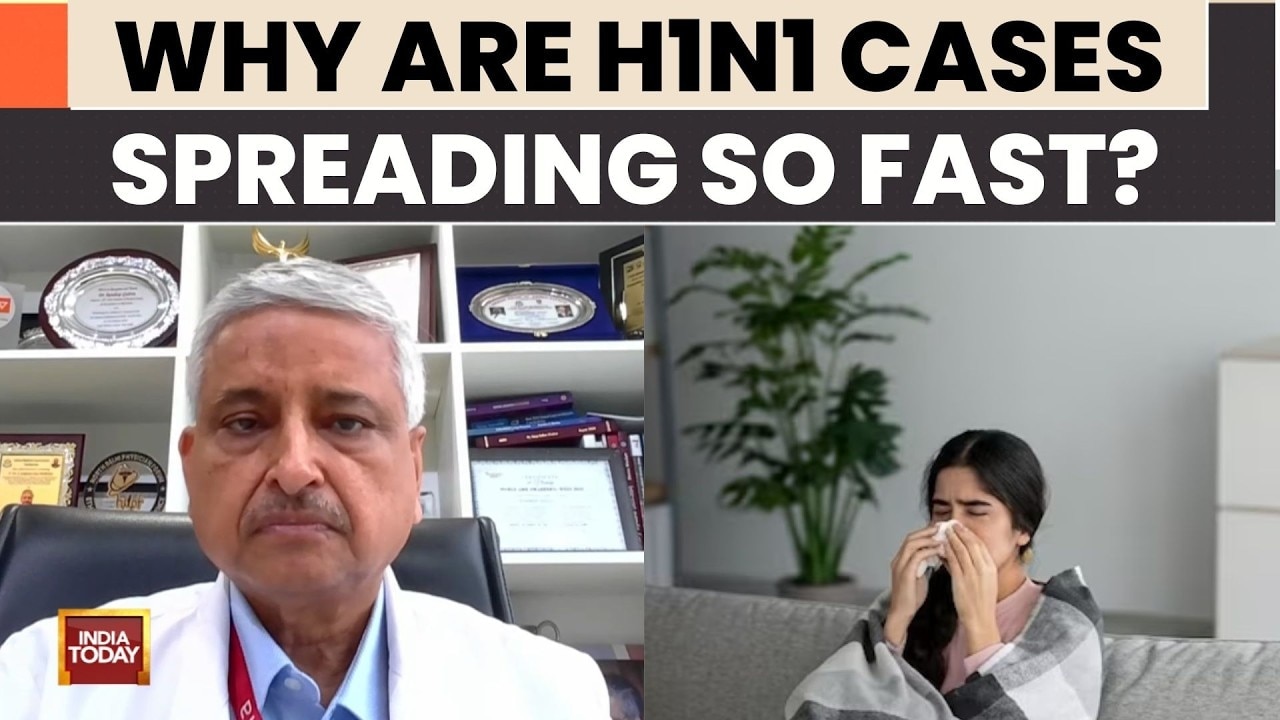
India is witnessing a significant spike in H1N1 influenza cases this monsoon season. Experts emphasize the critical role of annual vaccines and early medical intervention.
- High humidity and rainfall during monsoon are accelerating H1N1 transmission.
- Annual influenza vaccines remain highly effective against current circulating strains.
- Early detection via RTPCR and antiviral treatment is crucial for high-risk groups.
India is currently grappling with a substantial surge in H1N1 influenza cases, marking a notable increase compared to previous monsoon seasons. Environmental drivers, specifically high humidity levels and increased rainfall, have created an ideal environment for prolonged viral survival. Furthermore, increased human density in crowded areas is facilitating rapid transmission across various demographics.
While the rising caseload is a cause for concern, medical professionals note that the circulating viral strain remains consistent with previous years. This consistency ensures that the annual influenza vaccine continues to be a potent tool in preventing severe complications, intensive care unit (ICU) admissions, and widespread hospitalizations.
Vaccination Strategy and Timing
To ensure optimal seasonal coverage, medical guidance suggests that individuals should ideally receive their flu shots around April or May. However, for those who missed their previous doses, immediate vaccination is strongly recommended to build immunity before the peak of the season. Vaccination acts as a primary shield against the most debilitating effects of the virus.
Proactive vaccination and strict adherence to hygiene protocols are the most effective defenses against seasonal influenza outbreaks.
Why This Matters
BozokMedia analysis shows that the seasonal spike in respiratory illnesses places immense pressure on public healthcare infrastructure. Understanding the interplay between climate patterns and viral behavior is essential for both individual preparedness and large-scale public health management.
To mitigate the spread, individuals exhibiting symptoms such as fever, persistent cough, or chills should practice strict self-isolation. Maintaining proper cough etiquette and frequent hand hygiene are non-negotiable practices in public and private spaces. Vulnerable populations, particularly the elderly and young children, require heightened monitoring and care.
For high-risk patients experiencing persistent symptoms or chest discomfort, early diagnostic intervention through RTPCR testing is critical. Prompt administration of antiviral medications, such as oseltamivir, is most effective when initiated early in the course of the illness, significantly reducing the risk of severe outcomes.
Frequently Asked Questions
1. When is the best time to get a flu shot?
Ideally, before the monsoon season begins, around April or May, to ensure full immunity.
2. What should I do if I suspect I have H1N1?
Isolate yourself immediately, monitor your symptoms, and consult a medical professional for an RTPCR test.