Delhi is witnessing a significant surge in H1N1 influenza cases with 1,777 infections recorded. Health officials are urging citizens to wear masks and seek immediate medical attention to curb the spread.
- Delhi has recorded 1,777 confirmed cases of H1N1 influenza.
- ICMR confirms no new strain has emerged; existing vaccines remain effective.
- Authorities recommend mask-wearing and early medical intervention.
The national capital, Delhi, is currently grappling with a spike in H1N1 influenza cases, commonly known as Swine Flu. With 1,777 cases officially reported, the government has shifted into a high-alert mode, issuing comprehensive guidelines to prevent a wider community outbreak. Medical professionals are observing a pattern where family members are falling sick sequentially, indicating high household transmission rates.
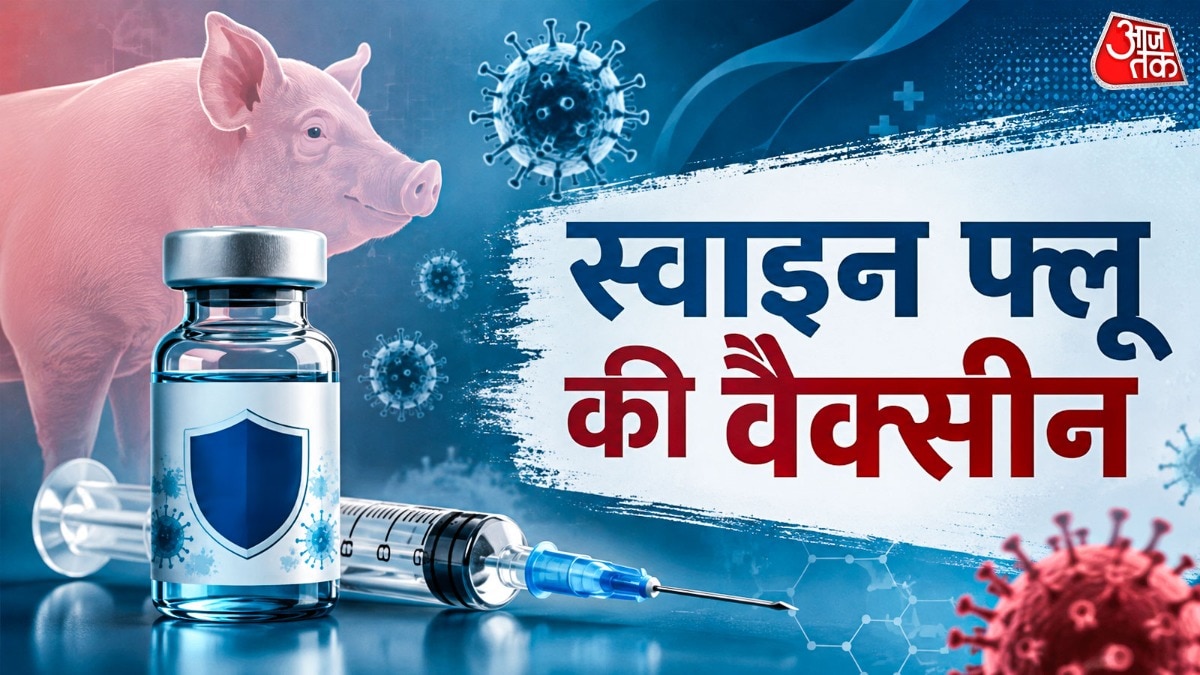
The Indian Council of Medical Research (ICMR) has stepped in to clarify the nature of the current surge. According to ICMR officials, there is no evidence of a new or mutated strain of the virus circulating in India. This is a critical distinction, as it means the current seasonal influenza vaccines are still sufficient to provide protection against the prevailing strain.
Why This Matters
BozokMedia analysis shows that the surge in H1N1 often coincides with fluctuating weather patterns and high population density in urban hubs like Delhi and Bengaluru. The tendency for the public to confuse H1N1 symptoms with COVID-19 or the common cold often leads to delayed treatment, which can result in severe complications like pneumonia.
Timely diagnosis and the administration of antiviral medication within the first 48 hours are crucial in preventing H1N1 from progressing to severe respiratory distress.
While the current situation is manageable, the government is emphasizing the importance of 'breaking the chain' of infection. This includes rigorous hand hygiene, avoiding crowded places during peak infection windows, and the immediate isolation of symptomatic individuals within the home to protect elderly members and children.
Historical Background
H1N1 first gained global notoriety during the 2009 pandemic, which saw the virus jump from pigs to humans. Since then, it has become a seasonal flu virus. India has faced several waves of H1N1 over the last decade, typically peaking during the winter and monsoon transitions, necessitating annual surveillance by the health ministry.
| Feature | H1N1 (Swine Flu) | COVID-19 |
|---|---|---|
| Cause | Influenza A virus | SARS-CoV-2 virus |
| Vaccine | Seasonal Flu Shot | COVID-19 Specific Vaccines |
| Primary Symptom | High fever, body ache | Loss of taste/smell, dry cough |
Frequently Asked Questions
Q1: Are the current flu vaccines effective against the current Delhi surge?
Yes, ICMR has confirmed that existing vaccines are sufficient as no new strain has been detected.
Q2: What is the first step if a family member shows symptoms?
Immediate consultation with a doctor and isolation of the patient to prevent household spread.