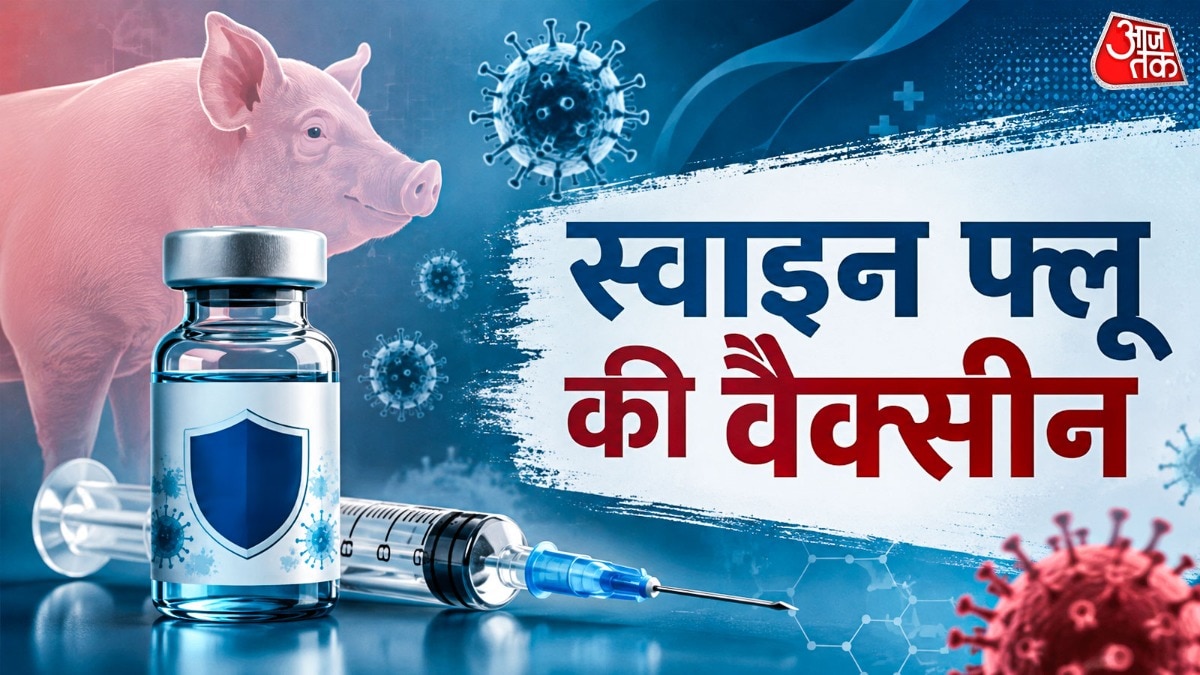
With Swine Flu cases spiking across Delhi and several Indian states, health experts urge citizens to get the Seasonal Influenza Vaccine to avoid severe complications.
- Significant rise in Swine Flu cases reported in Delhi and other states.
- The 'Seasonal Influenza Vaccine' (Quadrivalent shot) is the primary defense.
- Recommended for everyone over 6 months, especially high-risk groups.
A concerning surge in Swine Flu (H1N1) cases has been reported across Delhi and various other Indian states. Patients are presenting with classic symptoms such as high-grade fever, persistent cough, sore throat, and respiratory distress. Medical professionals warn that the current environmental conditions are facilitating the spread of the virus, making preventive measures critical.
Understanding Swine Flu and the Vaccine Mechanism
Swine Flu is a specific strain of the influenza virus. To combat this, doctors recommend the Seasonal Influenza Vaccine, often referred to as the modern quadrivalent flu shot. Because influenza viruses undergo frequent mutations, the vaccine is updated annually to ensure it targets the most prevalent strains circulating in the current season.
Why This Matters
BozokMedia analysis shows that the recurring nature of these outbreaks highlights a gap in proactive healthcare. When a large portion of the population remains unvaccinated, the risk of healthcare system collapse during peak seasons increases. Annual vaccination not only protects the individual but also creates a protective shield for the most vulnerable members of society through community immunity.
"Influenza viruses evolve rapidly; therefore, an updated annual vaccine is the only scientifically proven way to maintain effective immunity."
High-Risk Groups and Timing
While anyone can contract the flu, certain demographics are at a significantly higher risk of developing severe complications. Young children, pregnant women, the elderly, and individuals with pre-existing conditions such as diabetes, heart disease, or chronic lung ailments must prioritize vaccination. Those with compromised immune systems are particularly susceptible to pneumonia and hospitalization.
It is important to note that the body requires approximately two weeks after the injection to develop a full immune response. Consequently, getting vaccinated immediately is advised to ensure protection before the infection peaks.
| Category | General Population | High-Risk Groups |
|---|---|---|
| Symptom Severity | Moderate | Severe/Critical |
| Vaccination Priority | Recommended | Essential |
| Hospitalization Risk | Low | High |
Cost and Accessibility in India
The cost of the flu vaccine in India varies based on the brand and the healthcare provider. In private hospitals, the price typically ranges from ₹1,000 to ₹2,000. Patients are advised to consult their primary physician to determine the most suitable brand and schedule for their specific health needs.
Frequently Asked Questions
Q1: Are there any side effects to the flu vaccine?
A: The vaccine is generally safe. Some may experience mild soreness at the injection site or a low-grade fever, which typically resolves within 24-48 hours.
Q2: Why is a yearly shot necessary?
A: Because the virus mutates and different strains dominate each year, the vaccine must be updated to remain effective.