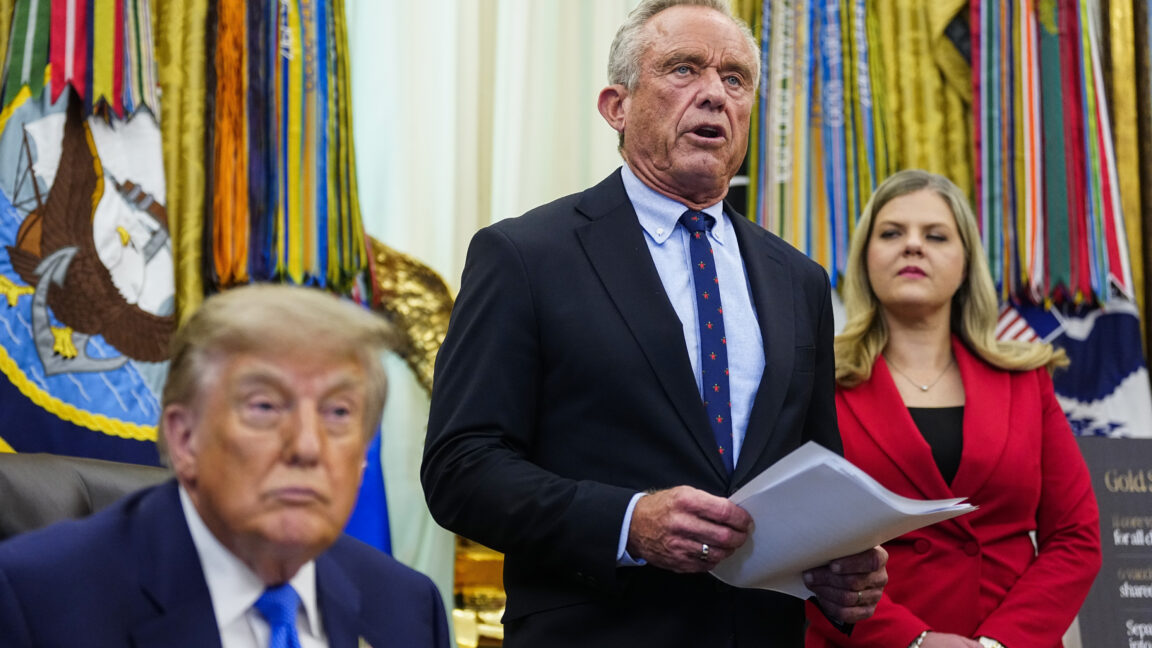
US Health Secretary Robert F. Kennedy Jr. is exploring changes to how vaccines are categorized, potentially moving 'universal' recommendations toward a more conditional, patient-specific model.
- RFK Jr. is questioning the current 'routine' and 'universal' vaccine designations.
- Proposed changes could introduce 'qualified' recommendations or 'shared clinical decision-making.'
- A public Request for Information (RFI) is open for comments until September 20.
Under the leadership of Health Secretary Robert F. Kennedy Jr., the US health department is weighing a significant shift in how vaccine recommendations are categorized and described. This move could potentially strip the 'routine' or 'universal' labels from vaccinations that have been standard for decades, replacing them with terms that sound less definitive.
The proposed terminology, such as 'recommended with qualification' or recommendations based on 'shared clinical decision-making' (SCDM), suggests a pivot away from broad public health mandates toward a more individualized approach to immunization.
Historical Background and Current Framework
For years, the Centers for Disease Control and Prevention (CDC) has relied on the Advisory Committee on Immunization Practices (ACIP)—a panel of independent experts—to categorize vaccines. This framework ensures that the public receives clear, evidence-based guidance on which shots are essential for general population health.
| Current Category | Description |
|---|---|
| Routine/Universal | Recommended for the entire population. |
| Risk-Based | Recommended only for specific high-risk groups. |
| Shared Clinical Decision-Making | Based on patient values and provider judgment. |
Kennedy has not yet implemented any formal rules. Instead, he has issued a 10-page Request for Information (RFI) via the Federal Register, inviting the public to provide feedback on whether the current categories should be replaced or modified. The window for public commentary closes on September 20.
Why This Matters
BozokMedia analysis shows that redefining 'universal' vaccines as 'conditional' could significantly erode public confidence in standardized preventative care. By shifting the burden of decision-making from public health experts to individual clinical encounters, the government may inadvertently lower overall vaccination rates, increasing the risk of preventable outbreaks.
The transition from universal recommendations to shared decision-making represents a fundamental shift in the philosophy of preventative medicine.
This administrative inquiry marks one of the first major steps in Kennedy's tenure to challenge the established norms of the US immunization schedule.
Frequently Asked Questions
1. Have the vaccine recommendations already changed?
No, no changes have been made yet. The government is currently in the information-gathering phase via an RFI.
2. What is 'Shared Clinical Decision-Making' (SCDM)?
It is a flexible approach where the decision to vaccinate is based on a patient's specific characteristics, values, and the professional judgment of their doctor.