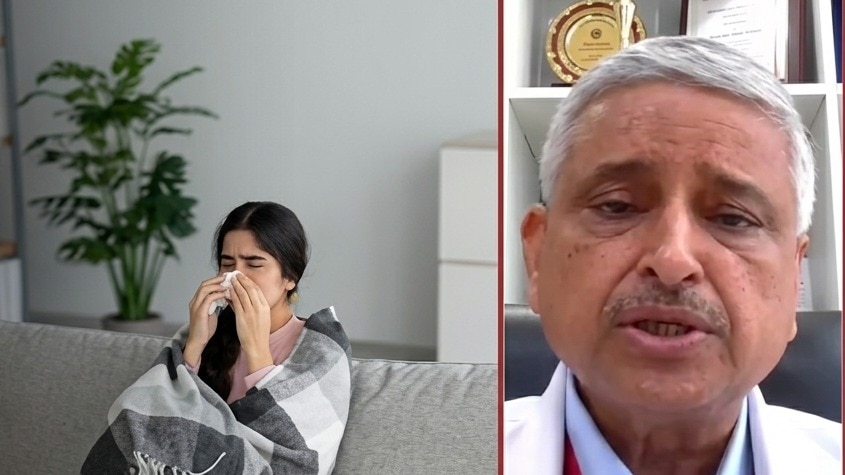
India is witnessing an unusually high spike in H1N1 infections this monsoon season, but former AIIMS director Dr. Randeep Guleria assures that the surge does not signal a pandemic. Most cases remain mild and resolve within a week.
- H1N1 infections have risen sharply in 2026
- Majority of cases are mild and self‑limiting
- Actual infections likely far exceed official figures
Current Situation
Seasonal flu activity in India typically peaks during the monsoon and winter, but this year the H1N1 strain is registering numbers well above the historical average. Dr. Randeep Guleria, former director of AIIMS, attributes the surge to higher humidity, heavy rainfall and crowded indoor environments that favour virus survival and transmission.
Reported vs. Real Numbers
Official statistics capture only those who seek testing. Many individuals with mild fever, cough or body aches never visit a doctor, meaning the true burden of H1N1 is likely several times higher than reported. This discrepancy does not imply an emerging pandemic, but it highlights gaps in surveillance.
When to Test and Treat
Persistent fever, chest tightness, or shortness of breath—especially in high‑risk groups such as the elderly or people with chronic illnesses—warrants immediate medical evaluation and possibly early testing. Antiviral therapy with oseltamivir (Tamiflu) is most effective when started within 48 hours of symptom onset; however, it should only be prescribed by a clinician.
Vaccination Benefits
The seasonal flu vaccine does not guarantee absolute protection against H1N1 infection, but it markedly reduces the risk of severe disease, hospitalisation and ICU admission. Dr. Guleria advises that Indians receive the Southern‑Hemisphere formulation around April‑May, ahead of the monsoon. Those who missed that window can still discuss vaccination with their physician.
Historical Background
The 2009 H1N1 pandemic caused global alarm, but the virus has since evolved only modestly each year. Annual updates to the vaccine composition reflect these minor antigenic shifts. India’s post‑2009 surveillance network, led by AIIMS and the Ministry of Health, has improved case detection, yet mild community cases still go unreported.
Why This Matters
BozokMedia analysis shows that an under‑reported rise in H1N1 can strain outpatient services, especially in monsoon‑prone regions, and may influence the timing of national vaccination campaigns.
"We must focus on symptom severity and vulnerable populations rather than raw case counts," says Dr. Randeep Guleria.
Frequently Asked Questions
Q1: Should I take Tamiflu for a mild fever?
A: No, Tamiflu is reserved for severe cases or high‑risk patients and should only be prescribed after a medical assessment.
Q2: Does the seasonal flu vaccine cover H1N1?
A: Yes, the current seasonal vaccine includes antigens for the H1N1 strain, offering protection against severe outcomes.