A significant spike in H1N1 influenza cases has been reported in Delhi and Bengaluru. Medical experts explain why distinguishing between Swine Flu and COVID-19 is critical for proper treatment.
- H1N1 cases in Delhi have surged nearly 8-fold compared to the same period last year.
- Symptoms of H1N1 and COVID-19 overlap significantly, making self-diagnosis risky.
- Antiviral treatments are virus-specific and are not interchangeable.
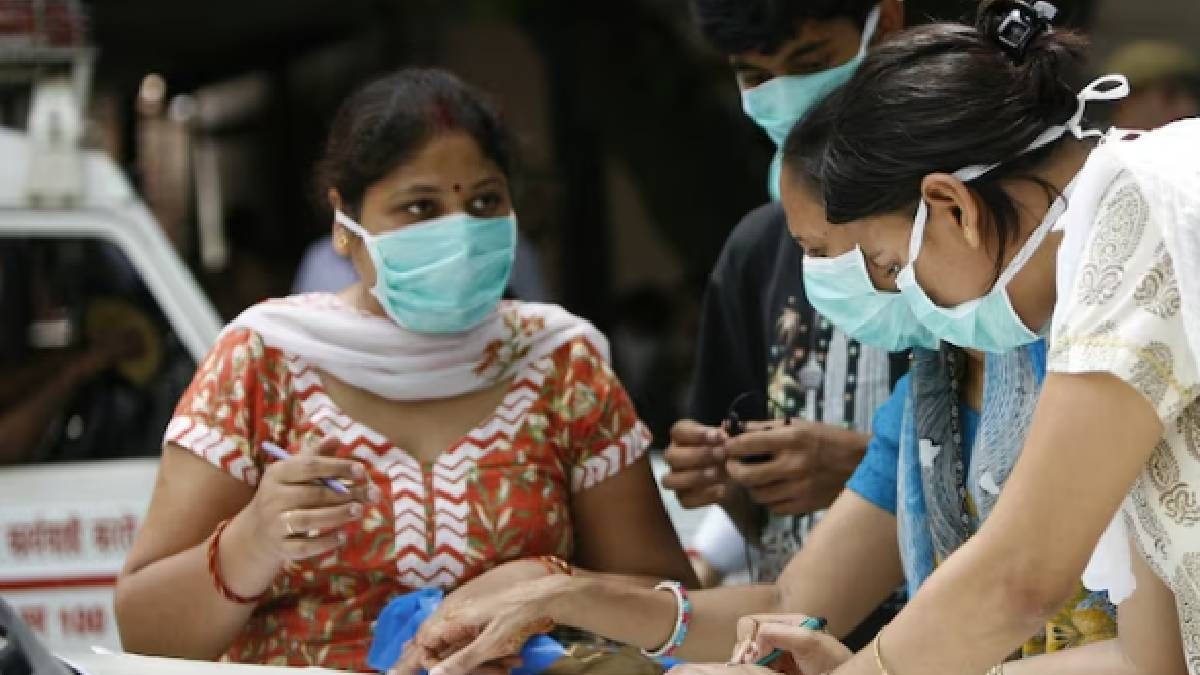
Major Indian metropolitan hubs, including Delhi and Bengaluru, are witnessing a sharp rise in H1N1 influenza (Swine Flu) infections. Data from the National Centre for Disease Control (NCDC) reveals that as of August 20, 2026, Delhi has reported 1,777 cases, a massive jump from the 229 cases recorded during the same period last year. This surge has forced hospitals to bolster their respiratory care units.
The Diagnostic Dilemma: H1N1 vs. COVID-19
With the rise in influenza, public confusion regarding the distinction between H1N1 and COVID-19 has intensified. Both are viral respiratory infections that present with fever, cough, sore throat, and fatigue. Dr. Niraj Kumar, Senior Consultant at ShardaCare-HealthCity, emphasizes that clinical presentation alone is often insufficient for a definitive diagnosis.
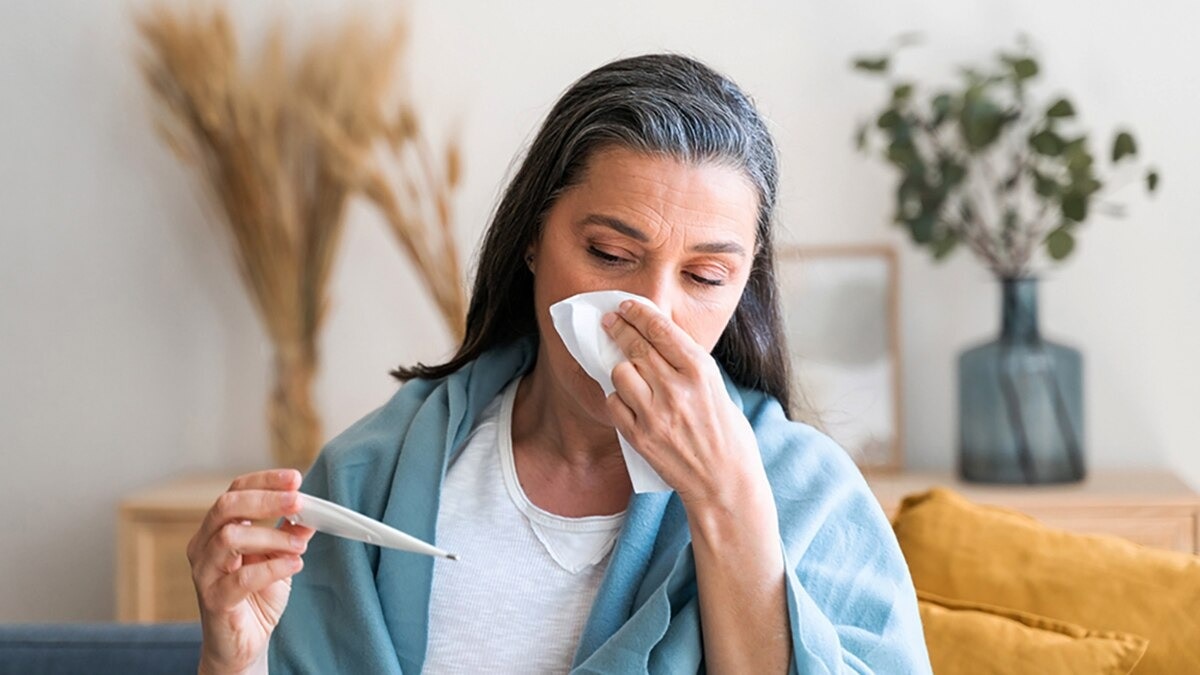
Swine flu and COVID-19 are both respiratory infections that can cause fever, cough, sore throat, body ache and fatigue, which can make them difficult to distinguish based on symptoms alone.
Scientific Distinctions and Treatment Protocols
BozokMedia analysis shows that the fundamental difference lies in the viral architecture. H1N1 is caused by an Influenza A virus, whereas COVID-19 is caused by the SARS-CoV-2 coronavirus. This distinction is not merely academic; it dictates the clinical management of the patient.
| Feature | H1N1 (Swine Flu) | COVID-19 |
|---|---|---|
| Causative Agent | Influenza A Virus | SARS-CoV-2 |
| Onset of Symptoms | Sudden and acute | Variable incubation period |
| Primary Treatment | Oseltamivir (Antiviral) | Nirmatrelvir-ritonavir / Remdesivir |
| Key Symptom Clue | High fever & intense chills | Loss of taste/smell (sometimes) |
Why Clinical Testing is Non-Negotiable
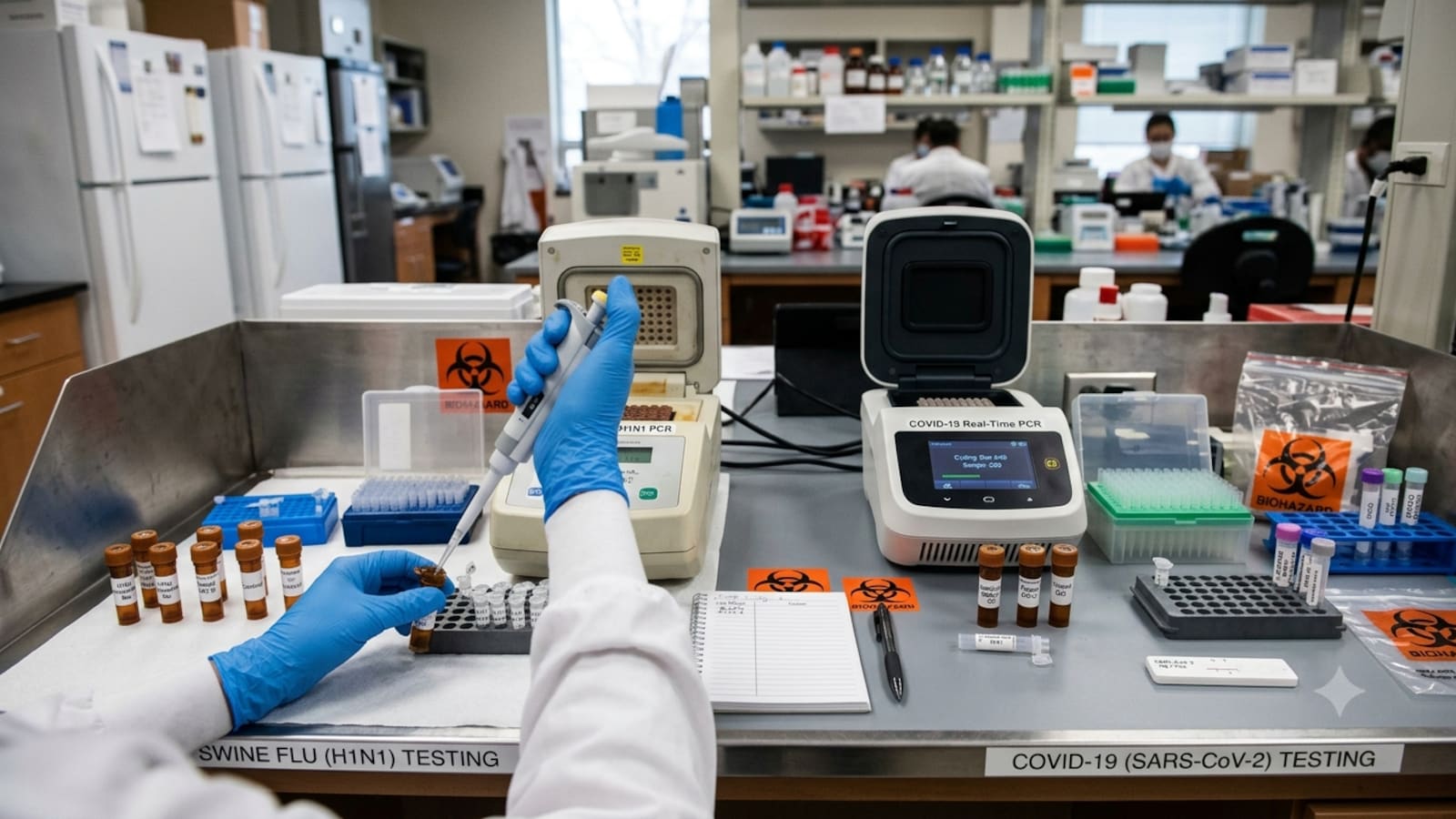
Because the medicines used for H1N1, such as Oseltamivir, do not work against COVID-19, and vice versa, laboratory testing is essential. The Indian Council of Medical Research (ICMR) has clarified that the current surge is not due to a new, more virulent strain, but rather seasonal circulation patterns. However, they urge the public to avoid panic and rely on molecular or antigen-based testing for clarity.
Historical Background
H1N1 gained global notoriety during the 2009 influenza pandemic. Since then, it has transitioned into a seasonal respiratory virus that circulates globally, often peaking during specific climatic shifts. Understanding its pattern helps healthcare systems prepare for seasonal influxes.
Frequently Asked Questions
Question 1: Can antibiotics be used to treat Swine Flu?
Answer: No. Antibiotics target bacteria, not viruses. They are only prescribed if a secondary bacterial infection is detected.
Question 2: Who is at the highest risk of complications?
Answer: Pregnant women, young children, the elderly, and individuals with underlying chronic conditions are at higher risk.