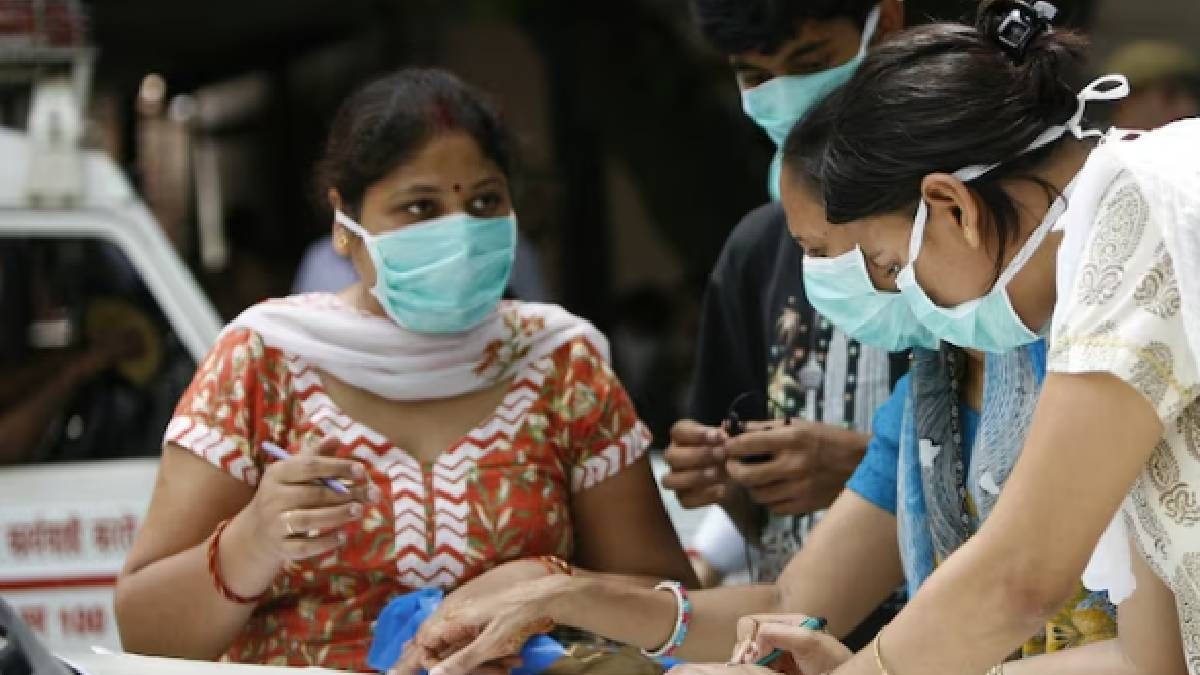
As H1N1 swine flu cases witness a significant uptick, medical experts have released comprehensive guidance on early detection, testing protocols, and the necessity of immunization.
- Key symptoms include persistent fever, cough, sore throat, and shortness of breath.
- Early administration of antiviral drugs like Oseltamivir is crucial for high-risk groups.
- Immunization is highly recommended for pregnant women, travelers, and vulnerable populations.
A recent spike in H1N1 swine flu cases has prompted medical professionals to issue urgent guidance regarding symptom recognition and treatment strategies. Experts emphasize that early intervention is the cornerstone of effective management, particularly for individuals presenting with persistent fever, chest tightness, or respiratory distress.
Symptoms and Clinical Warning Signs
Identifying H1N1 early can prevent severe complications. While symptoms often mimic common influenza, certain red flags demand immediate medical attention. These include high fever lasting beyond four to five days, dizziness, vomiting, and dehydration. In pediatric cases, rapid breathing is a critical indicator of severe illness that requires urgent clinical evaluation.
Why This Matters
BozokMedia analysis shows that seasonal surges in respiratory viruses often strain local healthcare capacities. Understanding the distinction between routine seasonal flu and H1N1 is vital for ensuring that medical resources are directed toward high-risk patients effectively.
Timely administration of antiviral medication, such as Tamiflu, can significantly mitigate the severity of the infection in high-risk individuals.
Regarding diagnostics, the RT-PCR test remains the gold standard for confirmation. However, due to the 2-3 day turnaround time for results, medical professionals may opt for empirical treatment in severe cases or for patients with a known family history of respiratory complications during periods of high viral circulation.
Historical Background
The H1N1 strain gained global notoriety during the 2009 pandemic. Since then, it has transitioned into a seasonal respiratory pathogen that requires ongoing surveillance and public health preparedness to manage annual outbreaks.
Frequently Asked Questions
1. How is H1N1 different from COVID-19?
While they share respiratory symptoms, they are caused by different viral families and require different specific management protocols.
2. Who should prioritize the flu vaccine?
Pregnant women, travelers, the elderly, and individuals with underlying health conditions are strongly advised to seek immunization.