A massive six-fold increase in H1N1 influenza cases has been recorded across multiple regions. Health experts are urging immediate vaccination and strict adherence to hygiene protocols to curb the spread.
- H1N1 infection rates have increased more than six-fold compared to last year.
- High humidity and monsoon conditions are facilitating virus survival.
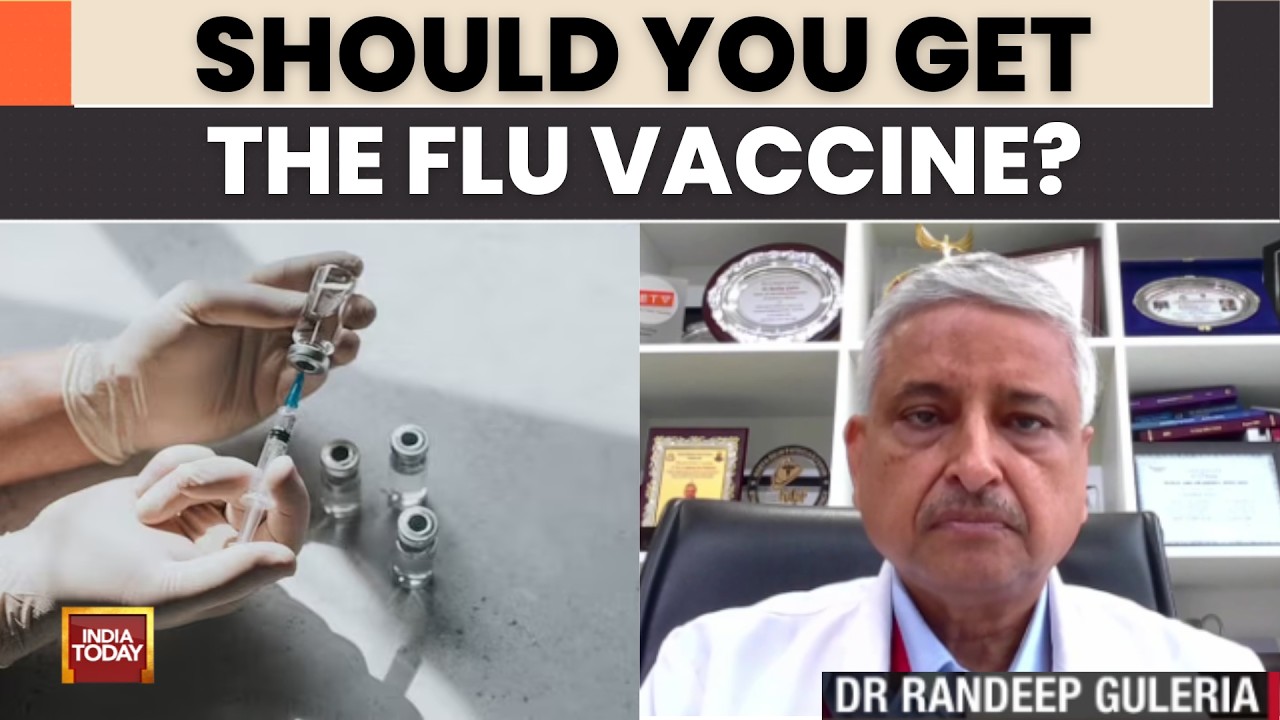
- Annual influenza vaccination is highly recommended to prevent severe complications.
Health authorities have reported a significant and alarming surge in H1N1 influenza cases across various regions. Data indicates that the current wave shows a more than six-fold increase in infection rates compared to the same period last year. This sudden spike has raised concerns regarding public health preparedness and the impact of seasonal shifts.
According to medical experts, environmental factors playing a crucial role in this surge include high humidity and extended monsoon conditions, particularly in parts of Central and North India. These conditions allow the virus to remain viable in the environment for longer durations. Additionally, increased indoor crowding during the rainy season has significantly facilitated human-to-human transmission.
Why This Matters
BozokMedia analysis shows that while the circulating strain is genetically similar to the one seen during the 2009 pandemic, seasonal variations are driving a much higher rate of spread this year. While most cases present with mild symptoms that respond well to symptomatic treatment, the risk of complications remains for vulnerable populations.
Proactive vaccination in the pre-monsoon months remains the strongest defense against severe clinical outcomes.
To mitigate the impact, experts strongly recommend taking an annual influenza vaccine. Ideally, vaccination should be completed in April or May to provide optimal protection against severe infection, hospitalization, and the need for intensive care admissions.
Preventive Strategies and Protocols
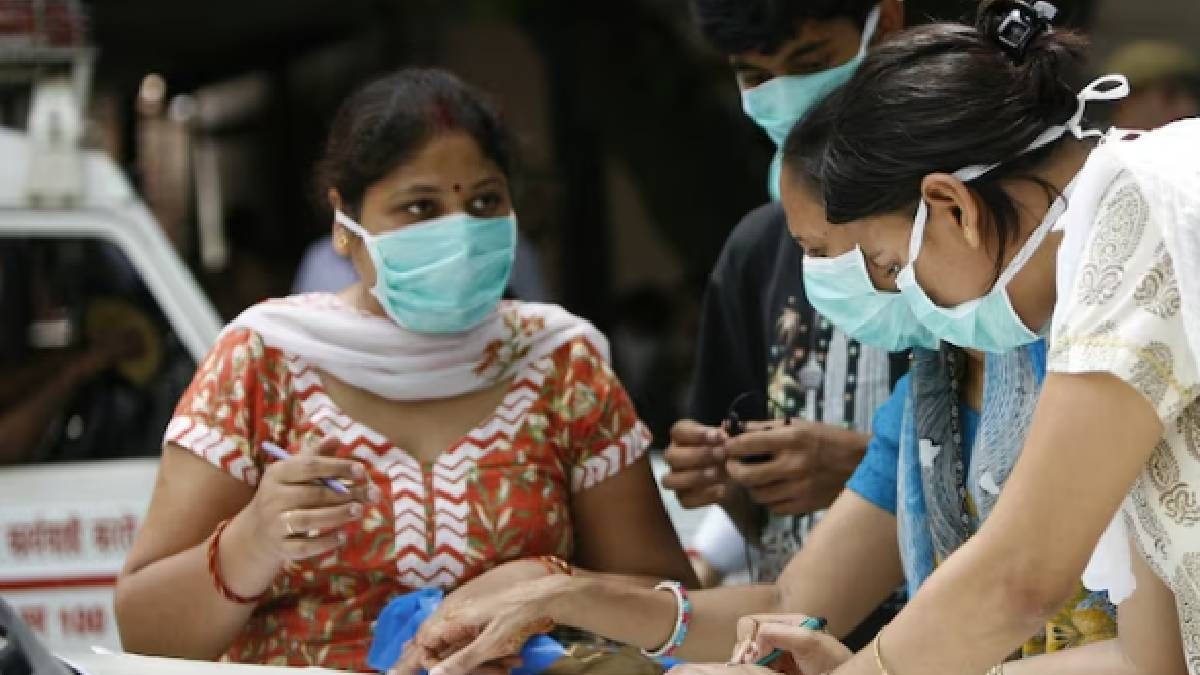
Breaking the chain of transmission requires strict adherence to personal hygiene and social distancing protocols. Key measures include: maintaining proper cough etiquette, using hand sanitizers frequently, wearing masks in crowded public spaces, and self-isolating at home if flu-like symptoms emerge.
It is also important to note that official case numbers may represent an underestimation of the true scale of the outbreak. Many individuals experiencing mild symptoms often refrain from seeking formal diagnostic testing, leading to a gap between reported data and actual community spread.
Frequently Asked Questions
Question 1: When is the best time to get the flu vaccine?
Answer: It is recommended to get vaccinated in April or May, before the peak monsoon and flu season begins.
Question 2: How can I prevent spreading H1N1 to others?
Answer: Practice good hand hygiene, wear a mask in public, and stay home if you feel unwell.