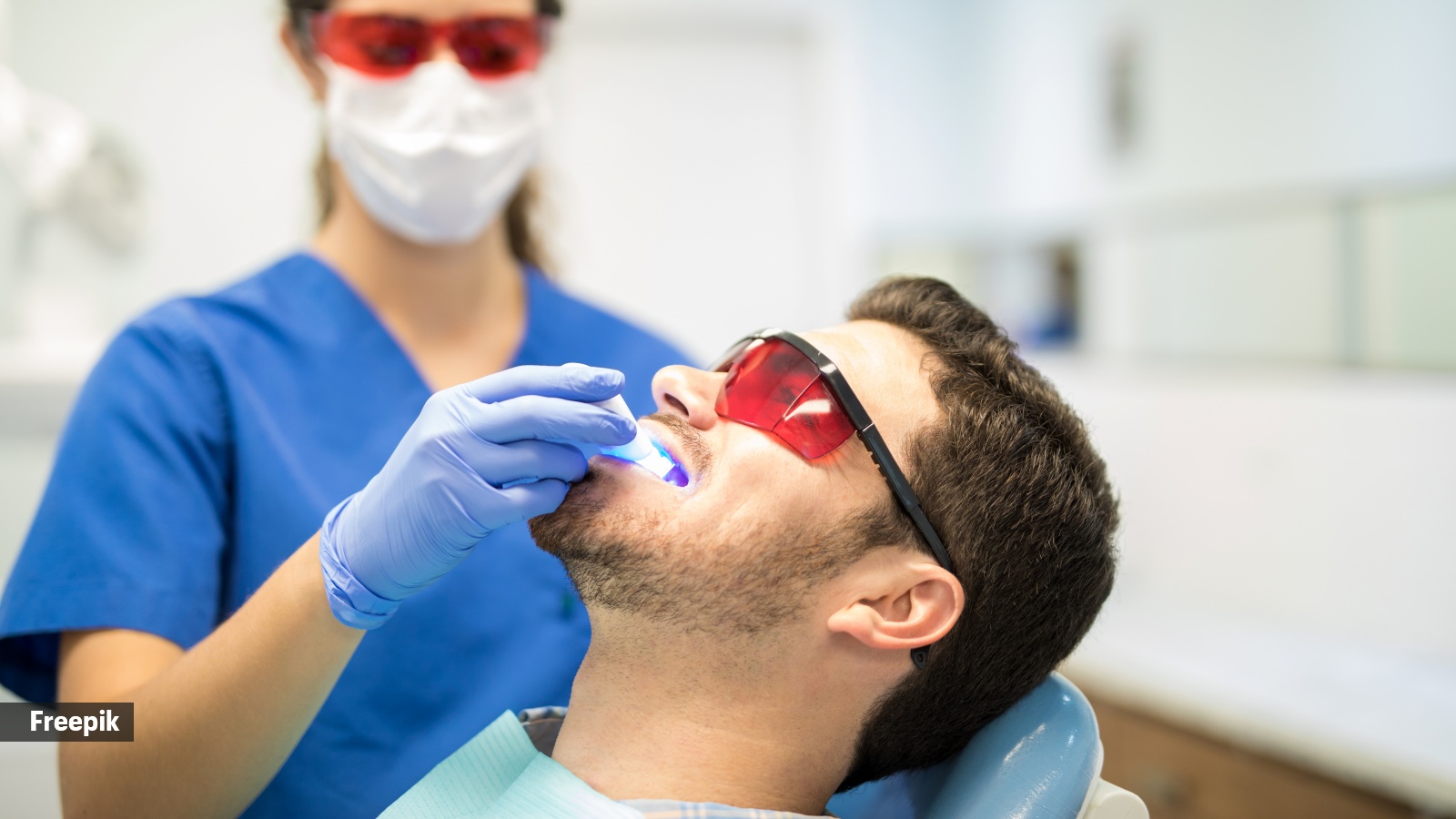
Can professional whitening remove every stain? An expert orthodontist breaks down the difference between extrinsic and intrinsic stains, potential risks, and who should avoid the procedure.
- Whitening is most effective on extrinsic stains caused by food and tobacco.
- Intrinsic stains require cosmetic procedures like veneers or bonding.
- Pregnant women, children, and those with gum disease should avoid whitening.
A bright, white smile is often viewed as a hallmark of beauty and hygiene. Consequently, many individuals seek teeth whitening treatments to enhance their appearance. However, the efficacy of these procedures is not universal; the results depend heavily on the biological nature of the discoloration.
According to Dr. Jaineel Parekh, an Orthodontist at Laxmi Dental Limited, whitening is highly effective against 'extrinsic' stains. These are surface-level discolorations caused by external factors such as coffee, tea, tobacco use, and the natural process of aging. These stains are typically accessible to bleaching agents and can be removed relatively easily.
The Challenge of Intrinsic Stains
Not all discoloration resides on the surface. 'Intrinsic' stains develop within the inner structure of the tooth. These can be caused by certain medications, dental trauma, excessive fluoride exposure (fluorosis), or developmental conditions. Dr. Parekh explains that these deep-seated stains often do not respond to traditional whitening. In such instances, clinical evaluations may lead to recommendations for cosmetic interventions like dental bonding or veneers.
Why This Matters
BozokMedia analysis shows a concerning rise in the unregulated use of at-home whitening kits. While convenient, these products often lack the precision of professional application, potentially leading to permanent enamel erosion. The pursuit of aesthetic perfection must be balanced with clinical safety to avoid long-term oral health complications.
"Overusing whitening products does not necessarily lead to brighter teeth; instead, it can significantly increase tooth sensitivity."
Safety, Side Effects, and Contraindications
When performed under professional supervision, teeth whitening is generally safe. Some patients may experience transient tooth sensitivity or mild gum irritation, which typically subsides within a few days. However, certain demographics must strictly avoid these treatments. Pregnant or breastfeeding women, children, individuals with untreated cavities, and those with extensive dental restorations (like crowns or veneers) should steer clear, as artificial materials do not bleach like natural enamel.
| Stain Type | Primary Causes | Whitening Effectiveness |
|---|---|---|
| Extrinsic | Coffee, Tea, Tobacco | High |
| Intrinsic | Medications, Trauma, Fluorosis | Low |
The longevity of the results varies based on individual lifestyle choices. To maintain a white smile, experts recommend limiting the intake of staining agents, maintaining rigorous oral hygiene, and scheduling periodic touch-up treatments. It is crucial to note that whitening agents will not change the color of existing fillings or crowns.
Frequently Asked Questions
Q1: Do whitening toothpastes actually work?
A: They can remove surface-level stains but are generally ineffective against deep intrinsic discoloration.
Q2: How long do the results of professional whitening last?
A: Depending on diet and hygiene, results can last several months to years, though touch-ups are often required.