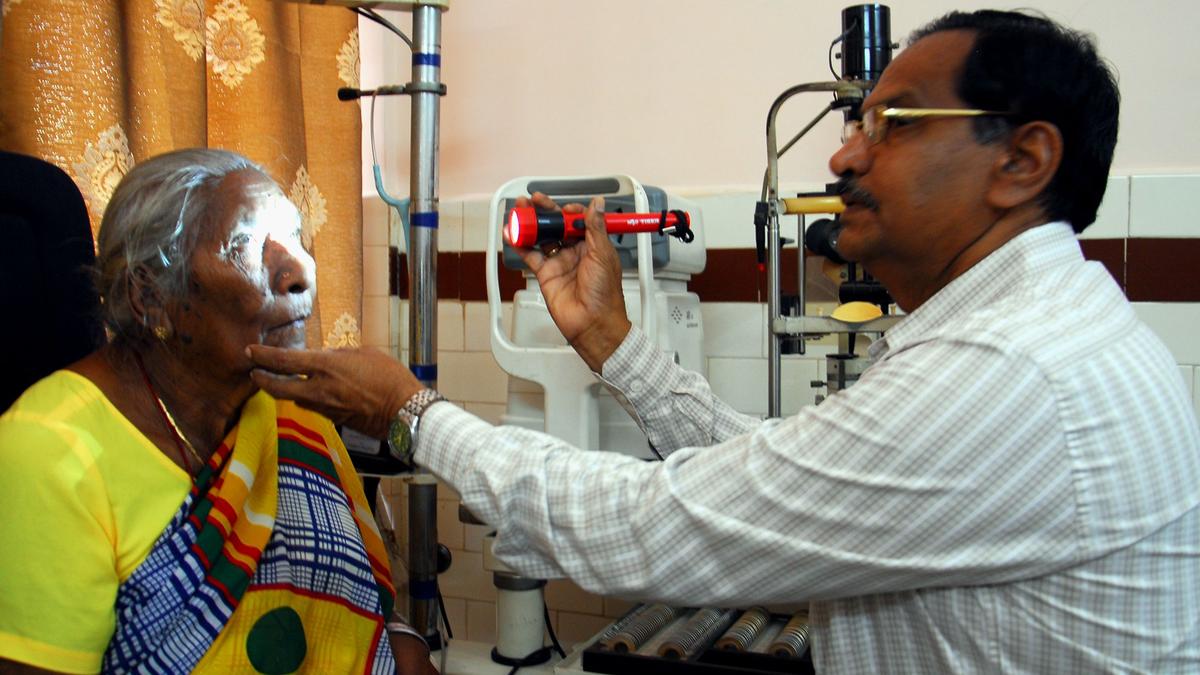
A massive study by Aravind Eye Care System reveals that advanced HEPA and Laminar Air Flow filters do not significantly reduce infection rates in cataract surgeries.
- Advanced air filtration (LAF/HEPA) provides no statistically significant reduction in post-operative endophthalmitis.
- The study analyzed a massive sample size of over 4.5 lakh cataract surgeries.
- Rigid aseptic protocols are more critical than expensive air-handling infrastructure.
A groundbreaking multicenter, retrospective study conducted by the Aravind Eye Care System (AECS) has challenged the necessity of expensive air-handling systems in ophthalmic operating rooms. The research suggests that using Laminar Air Flow (LAF) or HEPA filtration offers no additional benefit in preventing post-operative endophthalmitis (POE) during cataract surgeries.
Deep Dive into the Research
The study, published in the American Journal of Ophthalmology, analyzed the outcomes of 452,770 cataract surgeries performed across 14 regional hospitals in South India during 2023. Researchers compared various ventilation environments, including LAF with HEPA, central AC with HEPA, and standard split AC units without any specialized filtration.
Despite the varying levels of air purification technology, the overall infection rate remained remarkably low at just 0.016% across all groups. There were no significant differences in infection rates regardless of the surgical method used, such as phacoemulsification versus manual small incision cataract surgery (MSICS).
Why This Matters
BozokMedia analysis shows that these findings have profound implications for global healthcare economics. By proving that high-end air filtration is not a prerequisite for surgical safety, the study suggests that unnecessary infrastructural barriers can be removed. This is particularly vital in resource-limited settings, where such costs could otherwise hinder the accessibility of essential eye care services.
Safe cataract surgery is achievable without expensive LAF or HEPA systems, provided rigid aseptic protocols are strictly followed.
Dr. R. Venkatesh, Chief Medical Officer at Aravind Eye Care Hospital in Puducherry, emphasized that the standardization of surgical protocols, antibiotic prophylaxis, and instrument processing was the true driver of safety, rather than the air filtration systems themselves.
Historical Context and Comparisons
This study aligns with previous findings in the field. A decade ago, a study by Dr. Shalinder Sabherwal at Dr. Shroff’s Charity Eye Hospital in New Delhi reached similar conclusions. That research, published in the Indian Journal of Ophthalmology, noted that infection rates in secondary centers without advanced filtration were comparable to those in tertiary centers equipped with such technology.
| Ventilation Type | Infection Risk (POE) | Benefit vs. Standard AC |
|---|---|---|
| LAF with HEPA | Extremely Low (0.016%) | No Significant Difference |
| Central AC with HEPA | Extremely Low (0.016%) | No Significant Difference |
| Split AC (No HEPA) | Extremely Low (0.016%) | Baseline |
Frequently Asked Questions
1. Does this mean hospitals can stop using HEPA filters?
The study suggests that while they aren't mandatory for reducing infection in cataract surgery, they are not harmful; however, they may not be a cost-effective necessity for all ophthalmic centers.
2. What is the most important factor in preventing eye infection?
Strict adherence to aseptic techniques, sterile instrument processing, and proper antibiotic prophylaxis are the primary safeguards.