Dermatologists report a significant rise in psoriasis cases linked to overactive immune systems, lifestyle changes, and chemical exposure. Learn about the causes and advanced treatments.
- Psoriasis is a chronic, non-contagious inflammatory skin condition.
- An overactive immune system causes rapid skin cell buildup.
- Diabetes and hypertension can aggravate the severity of the condition.
- Advanced biological therapies are revolutionizing long-term management.
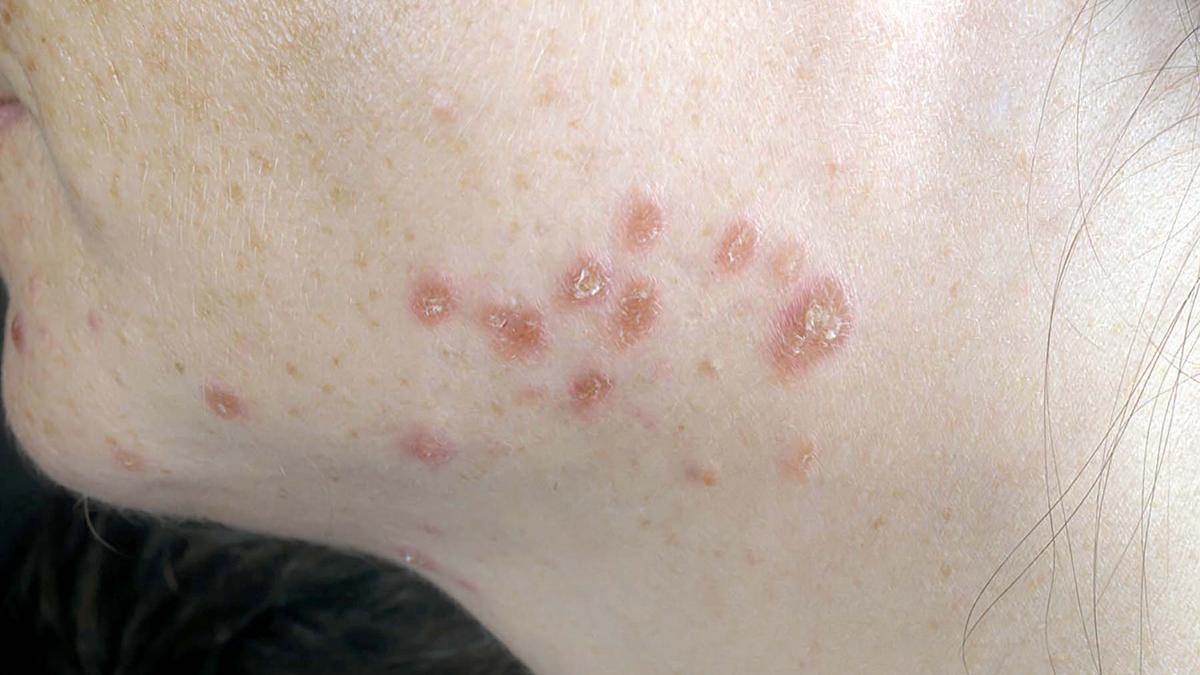
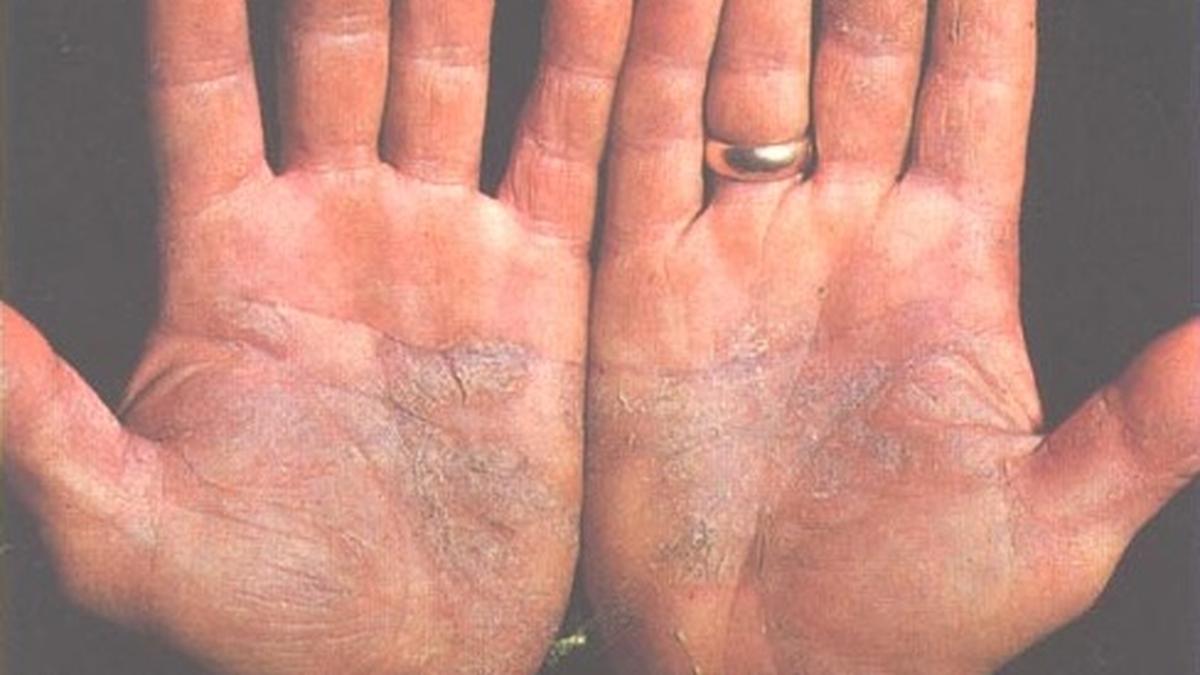
Medical experts are raising alarms over the increasing prevalence of Psoriasis, a chronic autoimmune disorder. Characterized by red, scaly plaques, the condition affects various parts of the body, including the scalp, elbows, knees, and nails. While it primarily manifests on the skin, dermatologists emphasize that it is a systemic inflammatory condition that can impact multiple bodily systems.
The Biological Mechanism: According to the National Psoriasis Foundation, the condition is driven by an overactive immune system. In healthy skin, cells grow and shed over a month; however, in psoriasis patients, this cycle accelerates dramatically, causing cells to pile up on the surface. This results in the characteristic thick, discolored, and sometimes painful patches or blisters.
Why This Matters
BozokMedia analysis shows that the rise in non-communicable diseases (NCDs) and increased environmental chemical exposure are direct contributors to the surge in psoriasis cases. As lifestyle patterns shift globally, the biological triggers for such autoimmune responses are becoming more frequent.
Modern biological drugs do not just treat the skin; they target the specific parts of the immune system responsible for inflammation.
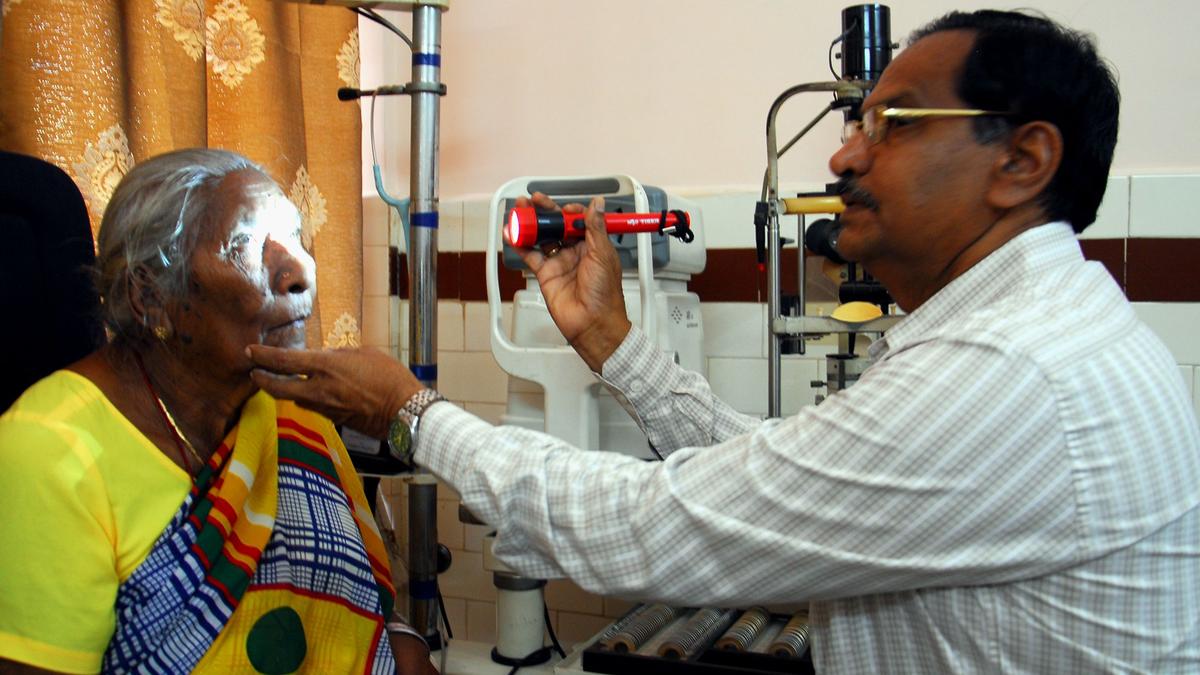
Complications and Risk Factors: Dr. U.R. Dhanalakshmi, a prominent dermatologist, notes a strong correlation between psoriasis and other metabolic conditions. Patients suffering from Diabetes, hypertension, and thyroid dysfunction often face more severe and harder-to-control symptoms. Furthermore, psychological stressors such as work pressure and family issues act as significant triggers for flare-ups.
Historical and Regional Context: Research published in the Indian Journal of Dermatology, Venereology and Leprology indicates that the prevalence in India ranges from 0.44% to 2.8%, mirroring patterns seen in Western nations. Experts call for more localized, long-term studies to better understand the epidemiological trends in the Indian subcontinent.
| Feature | Normal Skin Cycle | Psoriasis Skin Cycle |
|---|---|---|
| Cell Growth Rate | Slow (approx. 30 days) | Rapid (accelerated) |
| Appearance | Smooth and even | Red, scaly, and raised plaques |
| Immune Involvement | Regulated | Overactive/Systemic Inflammation |
Frequently Asked Questions
1. Can stress trigger a psoriasis flare-up?
Yes, psychological stress is a well-documented trigger that can worsen skin symptoms.
2. Are biological drugs a permanent cure?
While biological drugs can provide long-term remission by targeting the immune system, psoriasis is a chronic condition that requires ongoing management.