Sarcoidosis is an inflammatory disease characterized by the formation of granulomas in various organs. It is often misdiagnosed in regions with high tuberculosis prevalence.
- Sarcoidosis is an immune system overreaction that creates tiny clusters of cells called granulomas.
- Commonly affects the lungs and lymph nodes, but can impact skin, eyes, and heart.
- In India, misdiagnosis as Tuberculosis is a significant clinical hurdle.
Sarcoidosis is a complex inflammatory condition that can impact multiple organs throughout the body. It is widely believed to be an exaggerated response of the immune system, triggered by either genetic predispositions or environmental factors. This immune response results in the development of small, red, swollen lumps known as granulomas, which are clusters of immune cells that can cause permanent tissue scarring.
While the exact etiology remains unknown, the medical community is working tirelessly to understand the triggers. These granulomas most frequently appear in the lungs and the lymph nodes of the chest, but the disease is known to be systemic, meaning it can manifest in almost any part of the body.
Symptom Profile and Progression
The clinical presentation of sarcoidosis varies significantly among patients. Some individuals remain entirely asymptomatic, and the disease may resolve spontaneously. However, for others, the symptoms can be debilitating and lifestyle-altering. Key symptoms include:
- Chronic cough and shortness of breath (dyspnea).
- Persistent fatigue and physical weakness.
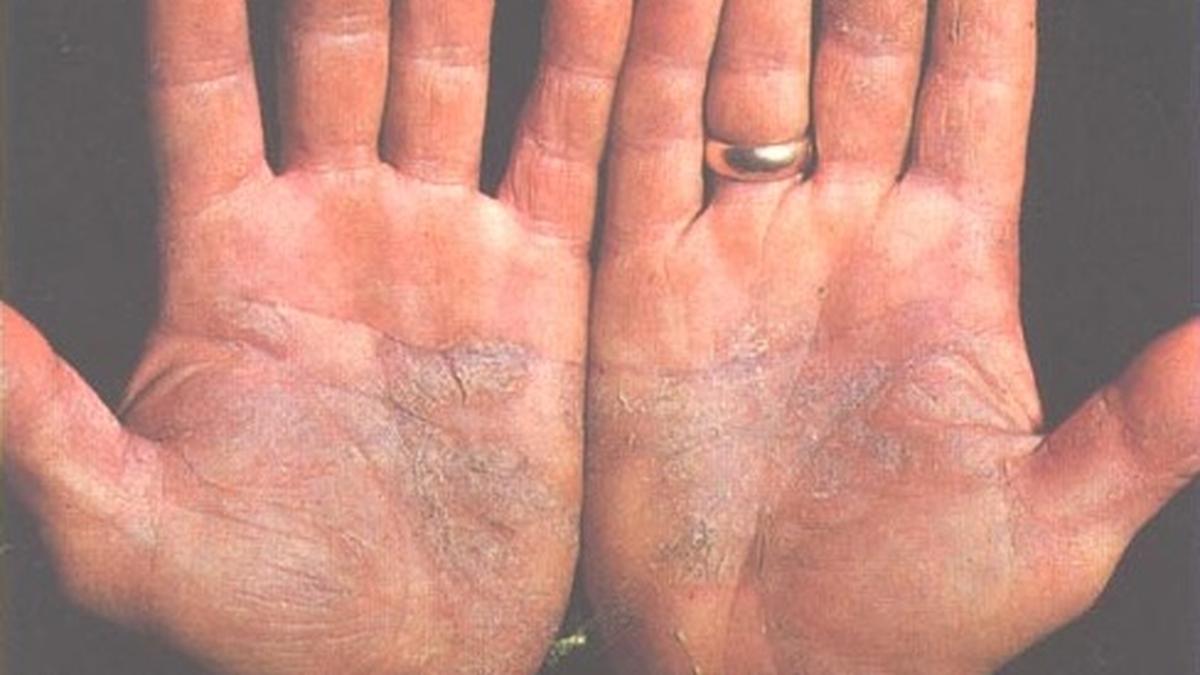
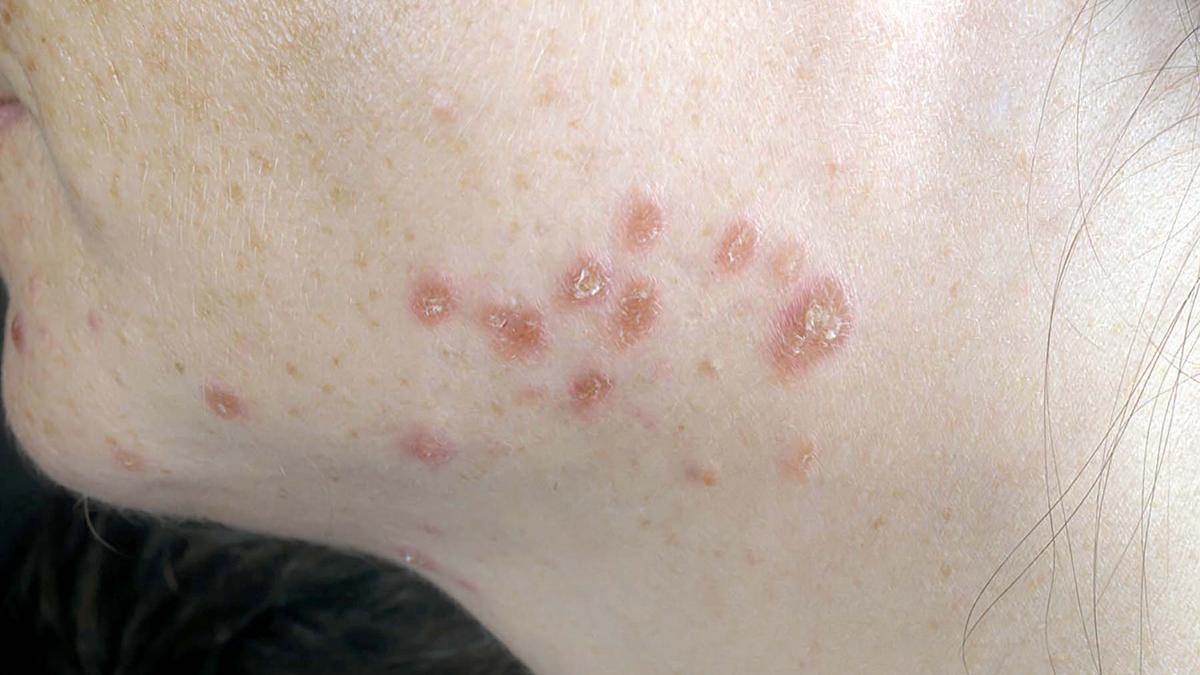
- Skin rashes, often appearing scaly or red.
- Irregular heartbeat and chest pain.
- Neurological symptoms such as numbness in limbs or facial discoloration.
Why This Matters
BozokMedia analysis shows that the diagnostic landscape for sarcoidosis is heavily influenced by regional disease burdens. In countries like India, where Tuberculosis (TB) is highly prevalent, sarcoidosis is frequently misdiagnosed. Researchers from AIIMS, New Delhi, have noted that the true prevalence of sarcoidosis in India is likely much higher than reported, as many cases are masked by the high incidence of TB.
The high burden of tuberculosis in India often leads to the misidentification of sarcoidosis, delaying critical specialized care.
Demographic Variations in Impact
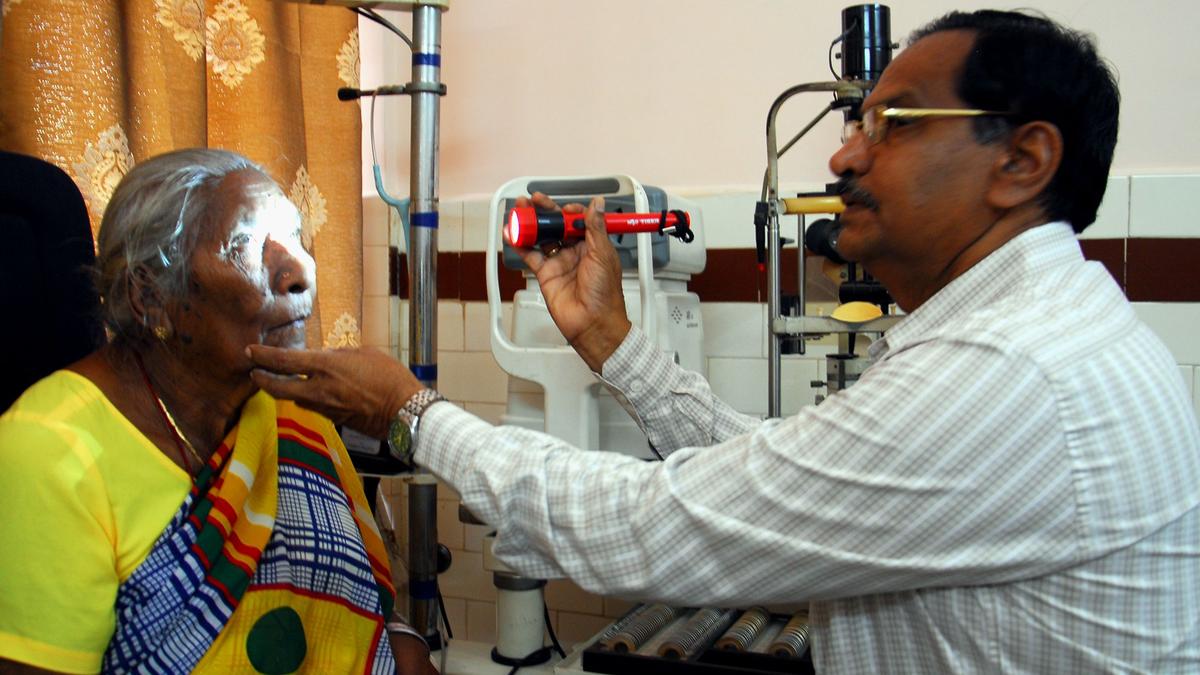
Clinical observations indicate that the disease affects genders differently. In men, cardiac involvement is a more common complication, whereas women are more likely to experience prominent skin and eye involvement. Additionally, about 25% to 30% of patients develop extrapulmonary sarcoidosis, affecting organs beyond the respiratory system.
| Feature | Common Presentation in Men | Common Presentation in Women |
|---|---|---|
| Primary Organ Focus | Heart/Cardiac Function | Skin and Eyes |
| Risk Factors | Systemic Inflammation | Extrapulmonary involvement |
Frequently Asked Questions
1. Can sarcoidosis be cured?
While many patients recover completely, advanced cases may require long-term management to control inflammation.
2. How is it different from Tuberculosis?
While both cause lung inflammation, sarcoidosis is an immune response rather than an infection, though they can look similar on scans.